Hanging with my guias (guides) in Puebla, Mexico

At the Livit Immersion Center, our class wrapped up at 1 p.m. each day. After lunch on Mondays, Tuesdays, and Wednesdays, each student was matched with a personal guide for some intensive Spanish practice while checking out Puebla’s attractions. As a UNESCO World Heritage Site, this city has no shortage of historical sites. (Here’s a long but fascinating story about Puebla from the Smithsonian website.)

It almost didn’t matter where I went with my guide. It was pretty hard to maintain a conversation in Spanish while paying attention to where I was walking or what I was seeing. I usually focused on the guide’s face and tried not to trip over uneven pavement. Good thing I took some photos!

My first week, I hung out with Noemi, an adorable young woman who spoke slowly and clearly so that I understood almost everything she said.

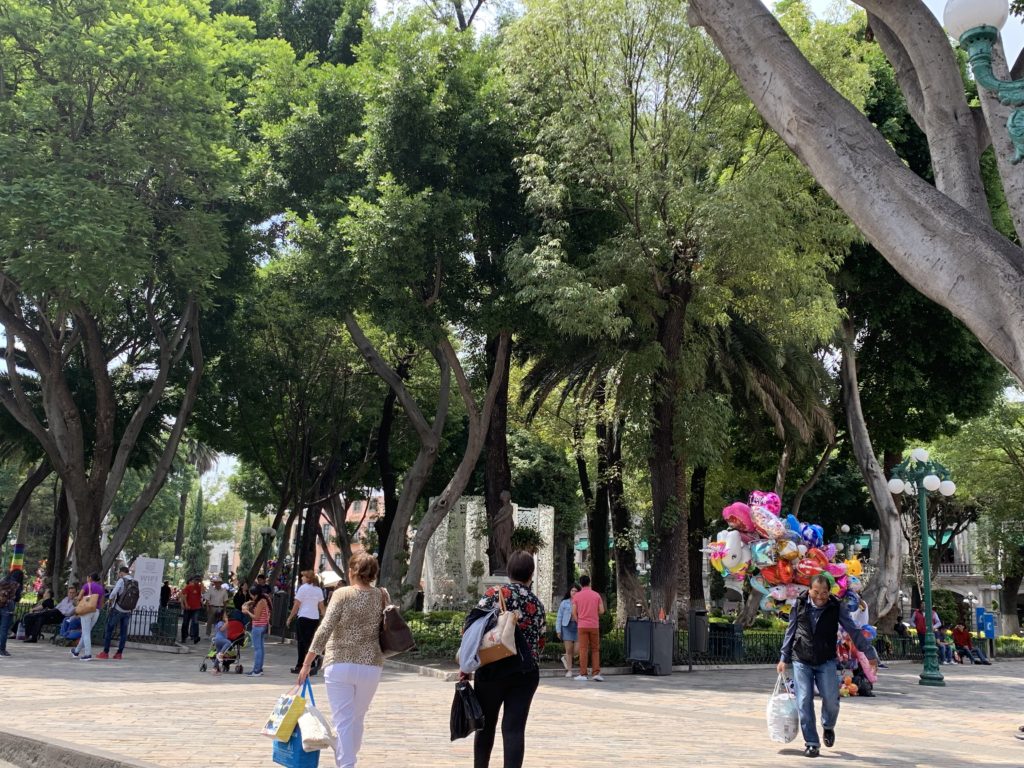
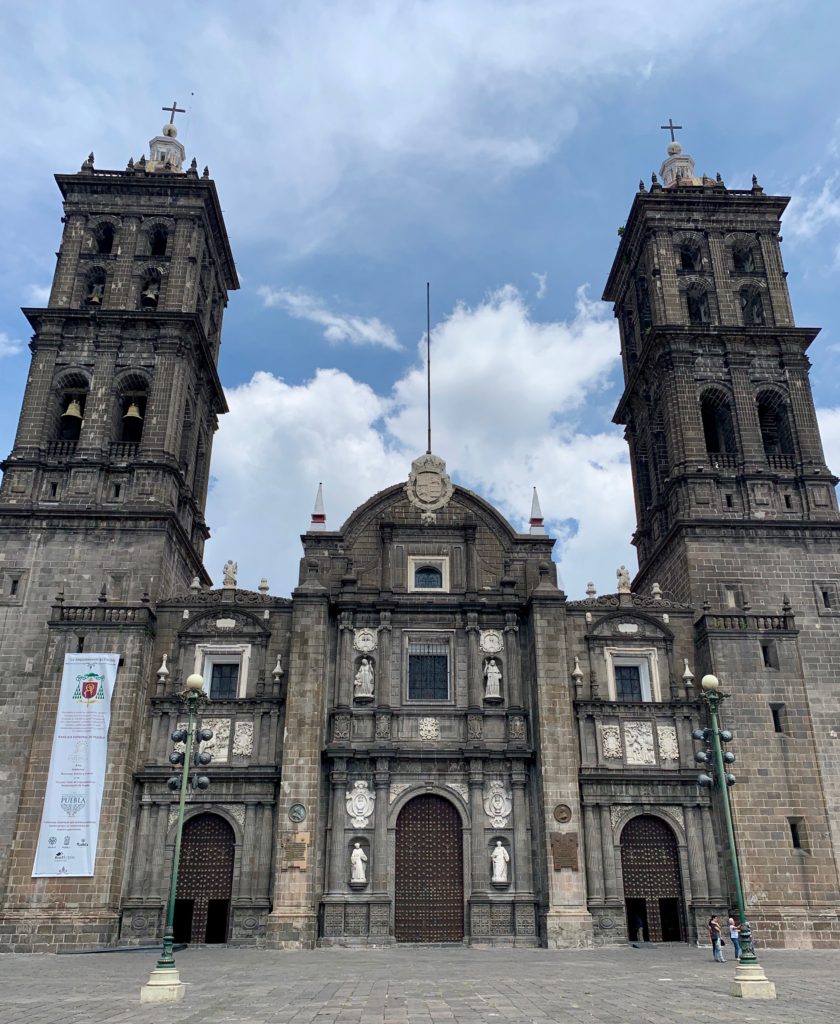
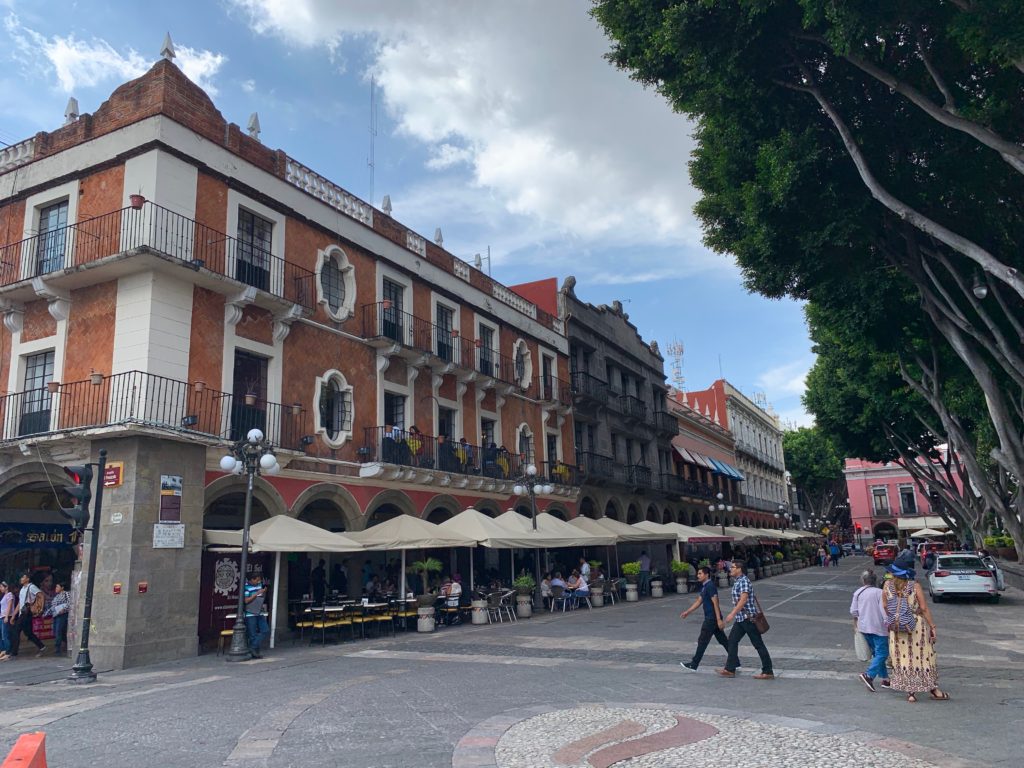
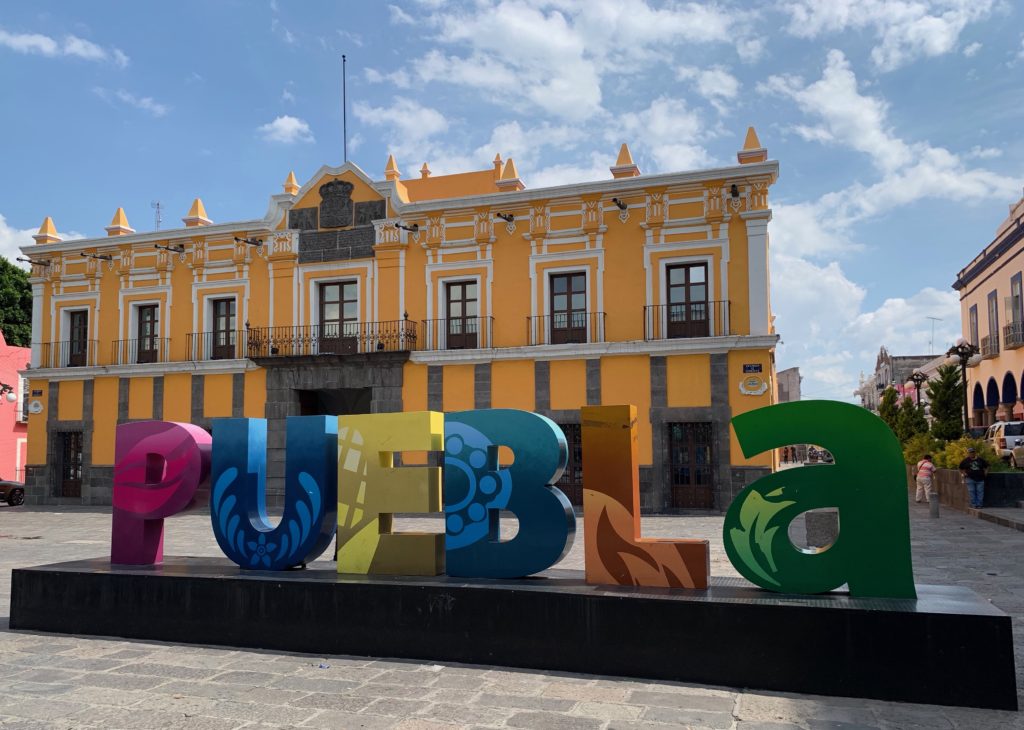
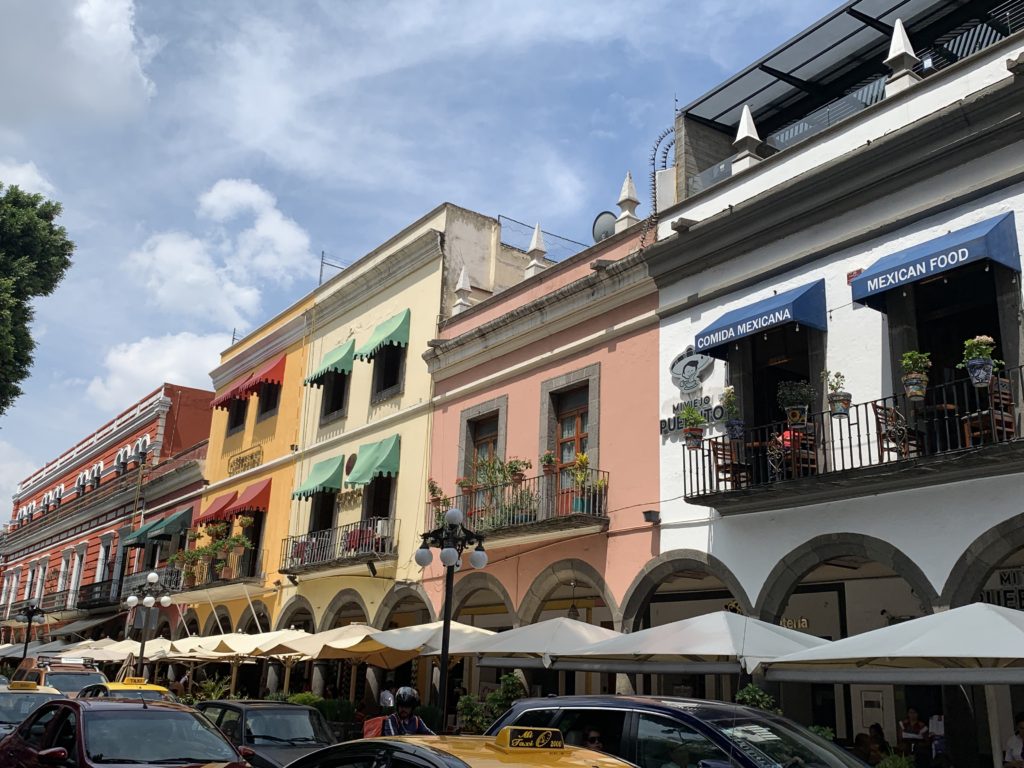
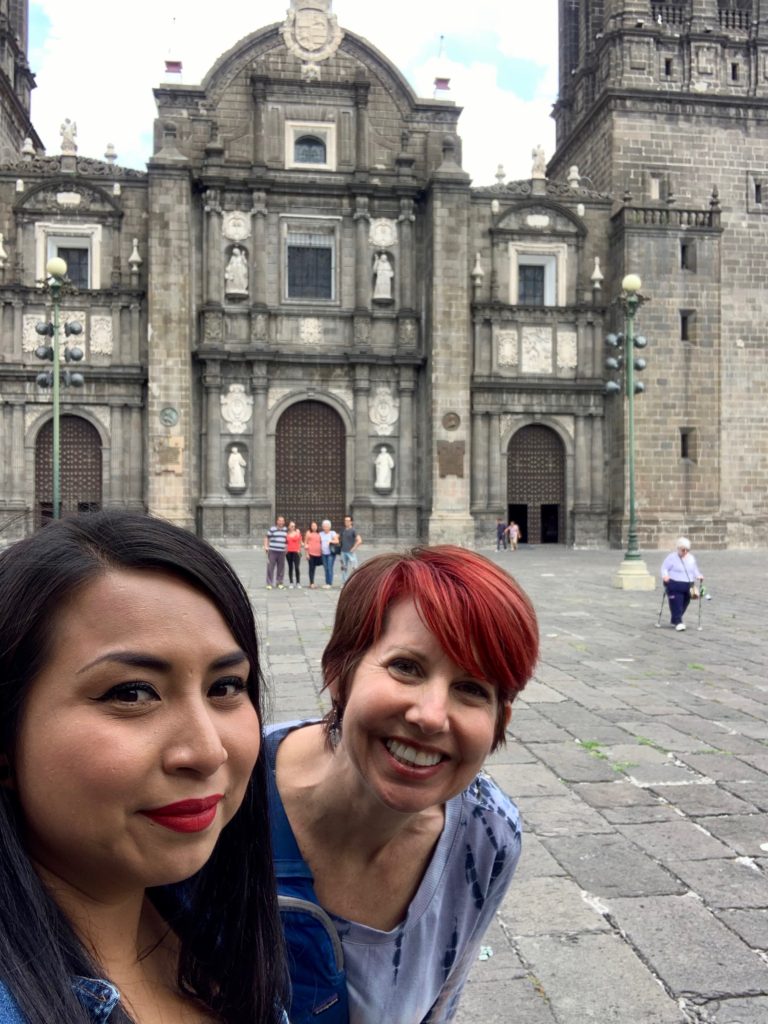
Week 1, Day 1: Our first day together, she showed me the historical town center, known as “el Zócalo.” Flanked by the Cathedral of Puebla on one side and a colonnade of colorful buildings – including Palacio Municipal, Puebla’s town hall – on the other three sides, el Zócalo was established as a marketplace in 1531, but is now a tree-filled park.
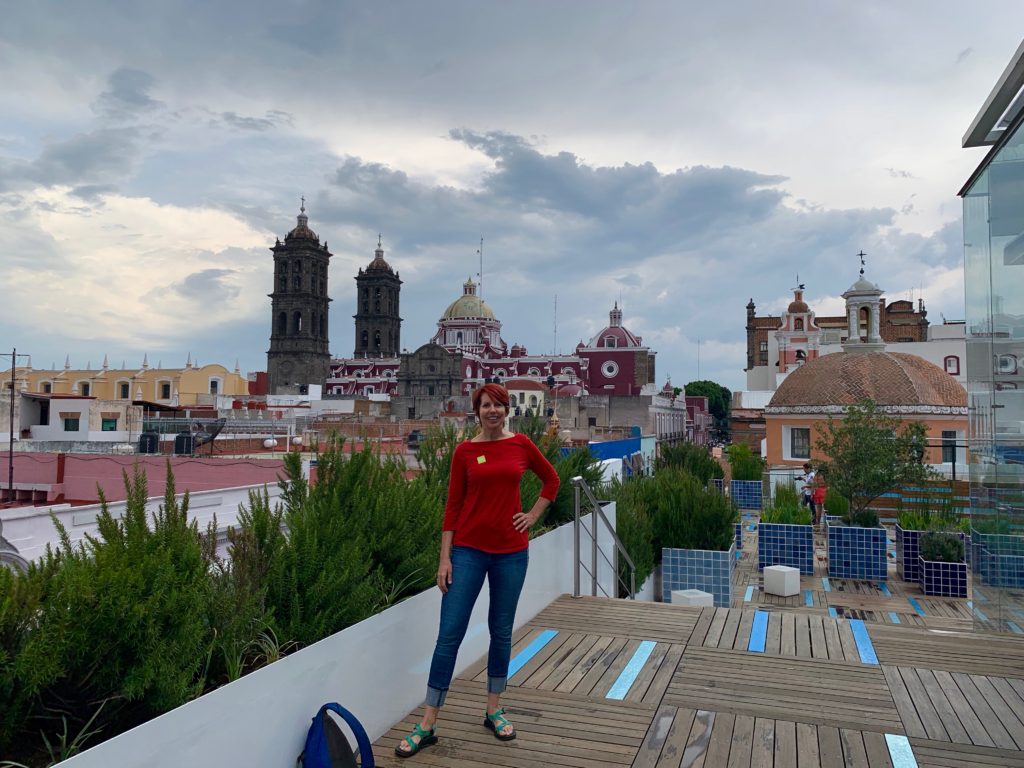
Noemi and I breezed through the Amparo Museum, where I could have easily spent the whole day. I didn’t take many photos inside, but the space was fantastic. Housed in two colonial-era buildings, the museum juxtaposes 4,000 years of history with modern multi-media art exhibits.

Here I am posing on the rooftop terrace.
Week 1, Day 2: Noemi took me to one of my favorite destinations in Puebla, the Museum of the Mexican Revolution, also known as Casa Hermanos Serdán. As someone who learned very little (nothing?) about Mexico in school, I was blown away by the fascinating story surrounding the beginning of Mexico’s revolution, which ended a dictatorship and established a constitutional republic.

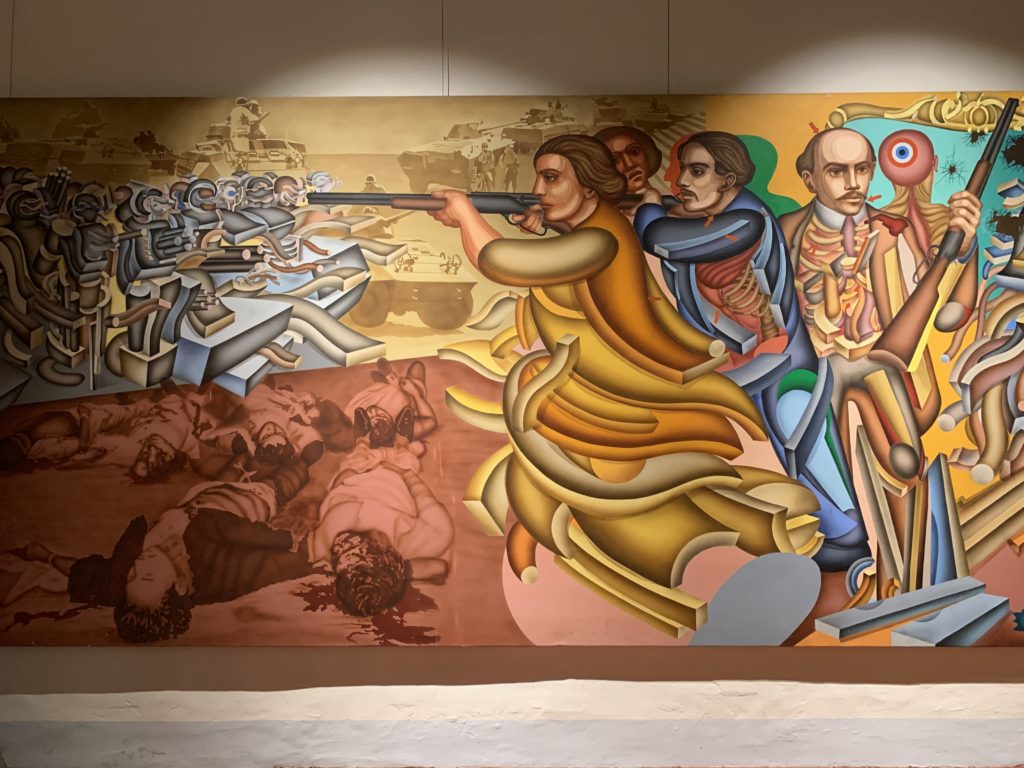
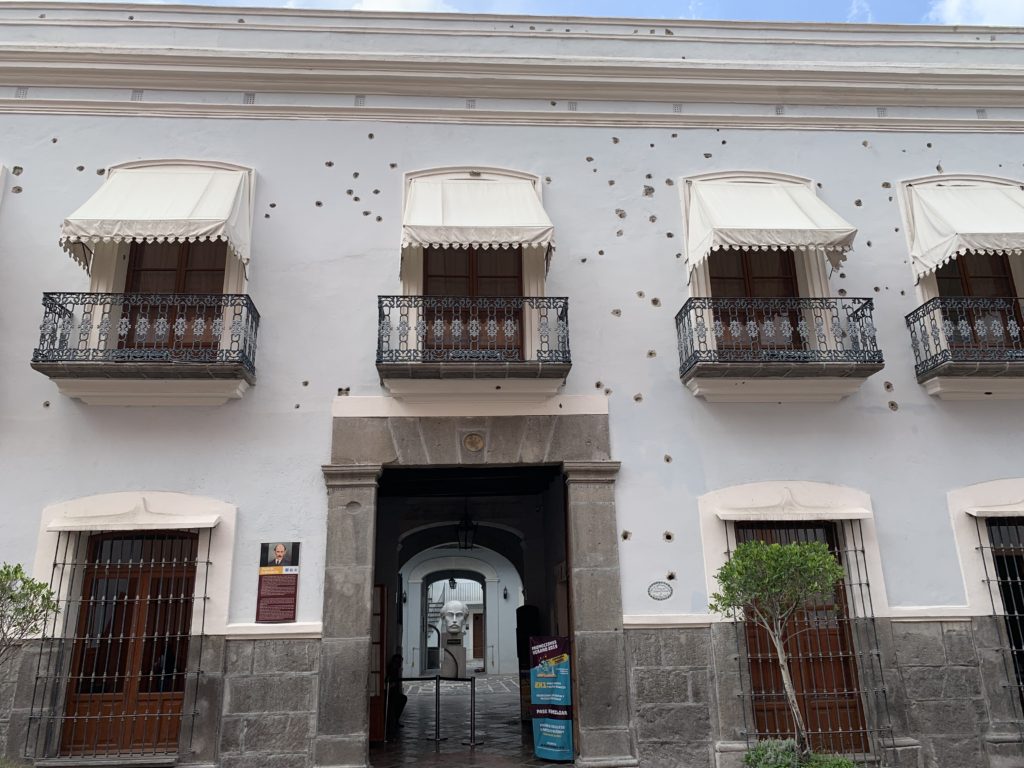
The museum is housed in the former home of the Serdán family, which included brothers Maximo and Aquiles, as well as their sister Carmen. They had been pivotal in planning an uprising led by Francisco I. Madero against the government of President Porfirio Díaz in 1910, but the plot was discovered. On Nov. 18 of that year, the chief of police approached the house with a warrant for Aguiles’ arrest, but he was shot and killed. Soldiers and police surrounded the house, and a 3-hour shootout ensued. The Serdáns and their supporters were vastly outnumbered. Maximo was killed after hiding his brother under the floorboards. When Aquiles tried to escape the next day, a soldier spotted him and killed him. Carmen and her mother were captured and imprisoned.

The revolution officially kicked off two days after the shootout at the Serdán home. President Porfirio Díaz stepped down in May 1911. The Serdán family is revered in Puebla for their bravery and contributions to the revolution.

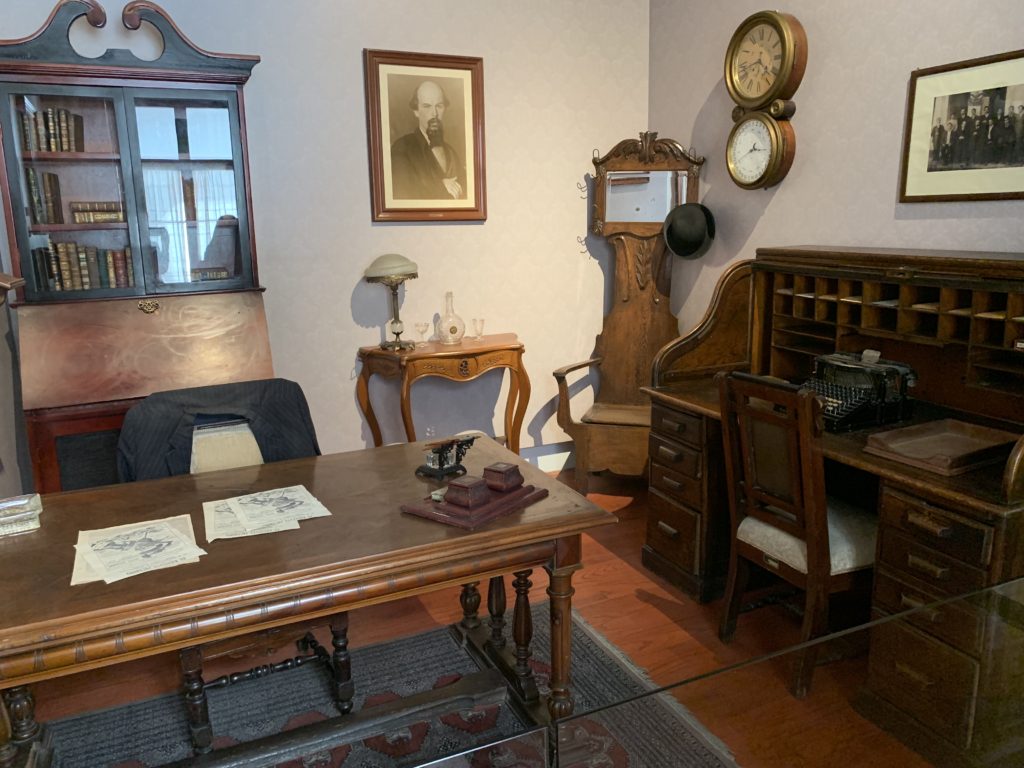
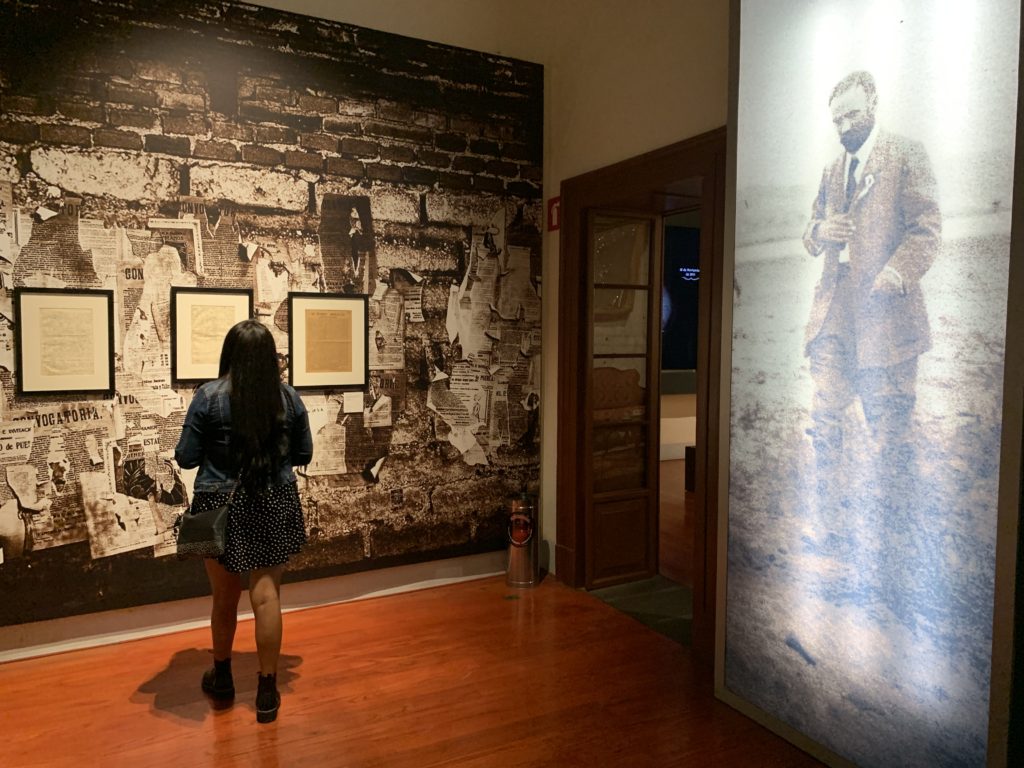
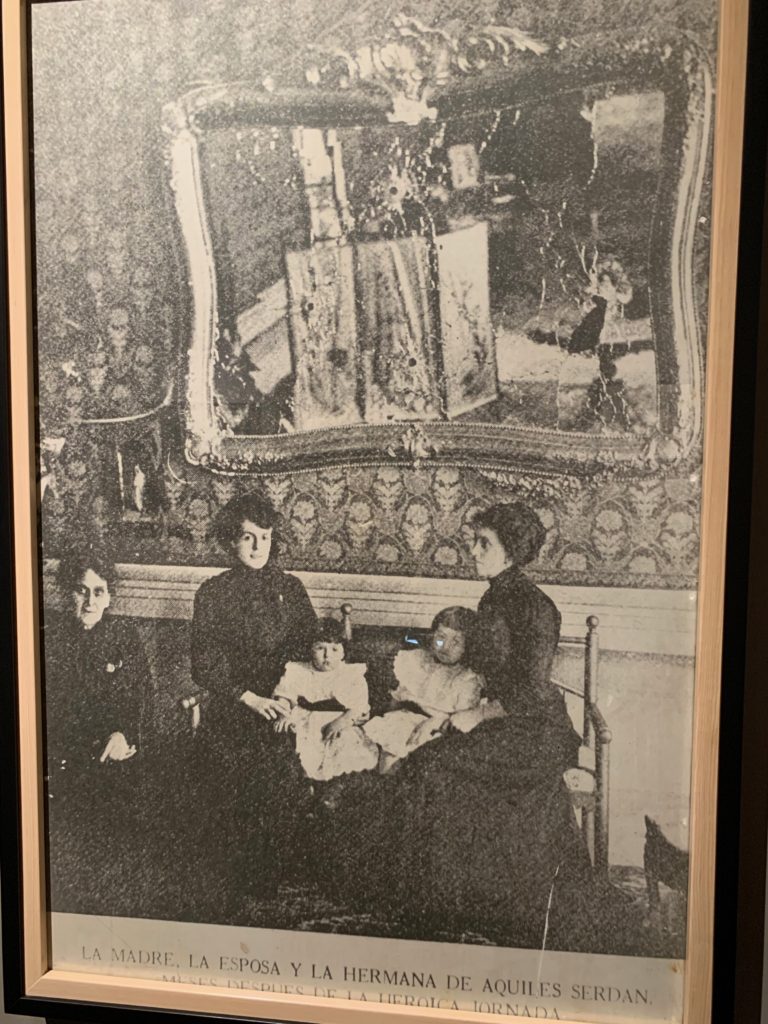
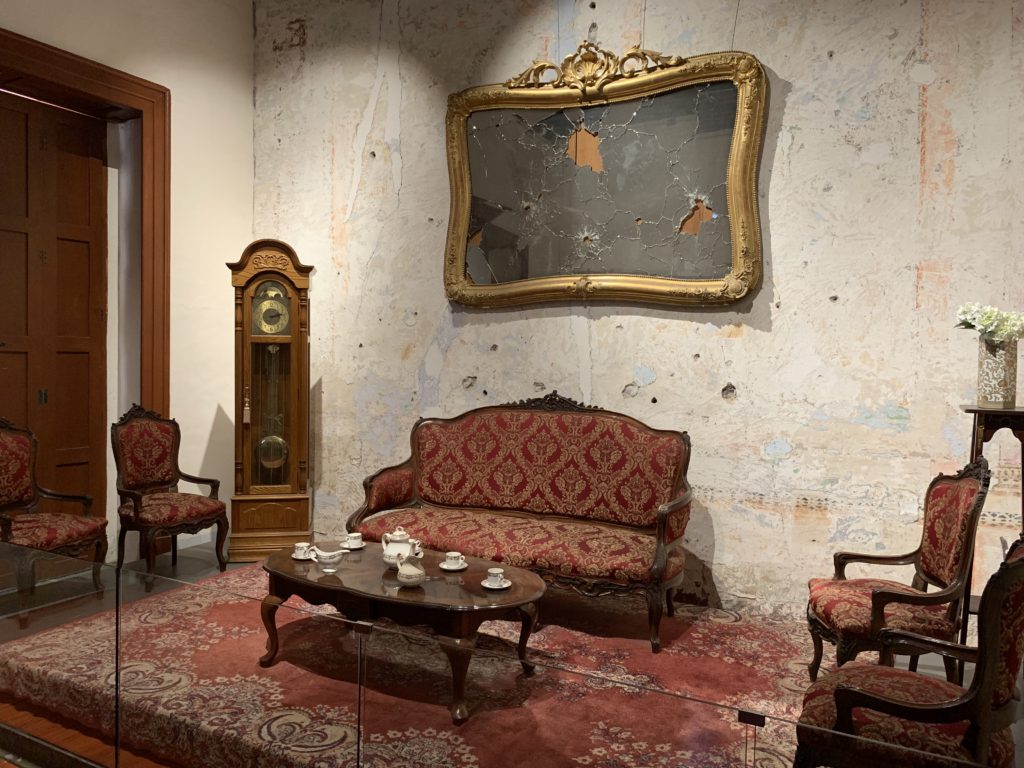
Artifacts in the museum recreate the era with interpretive signs in Spanish and English. I was fascinated by the arrangement that matched the photo, including the bullet-riddled mirror.
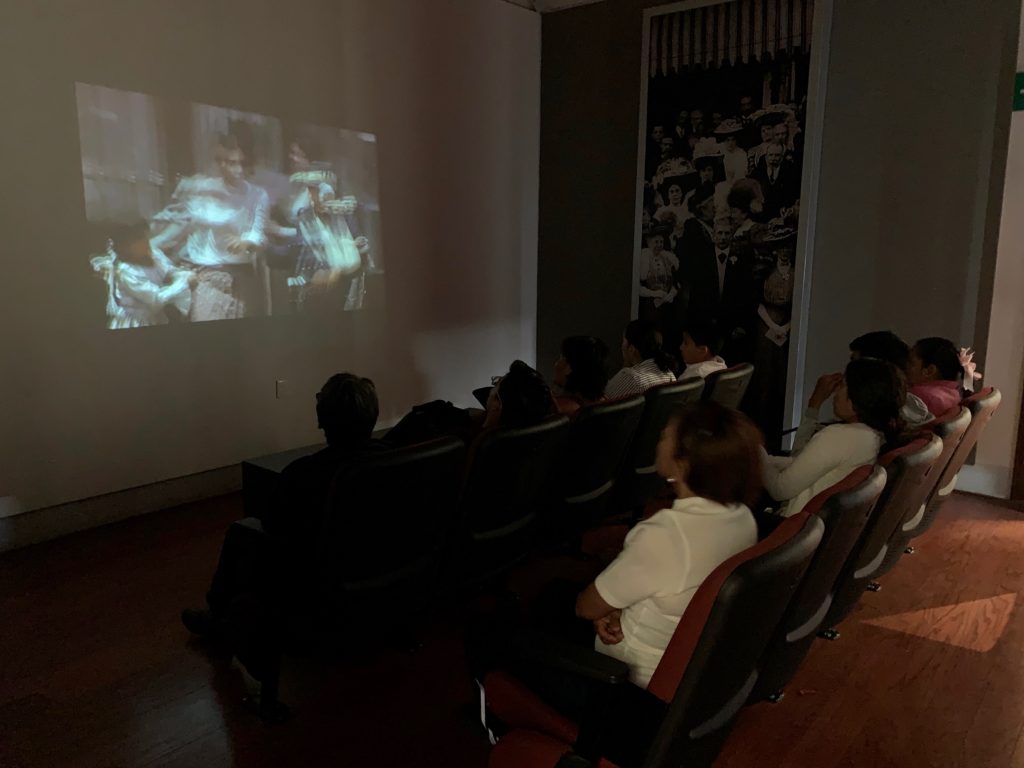
Noemi and I sat for a while and watched a movie that recreated the story of the shootout.
The pockmarked facade of the home reminds passers-by of the shootout that marked the beginning of the Mexican Revolution.
Week 1, Day 3: Noemi and I took an uber to check out “los fuertes,” where I learned that Cinco de Mayo is not just an opportunity to wear a sombrero and pound tequila shots.

According to the Cinco de Mayo article on the history.com website, Cinco de Mayo celebrates the victory of the Mexican army over France at the Battle of Puebla during the Franco-Mexican War on May 5, 1862.

When Mexico defaulted on loans from Europe, Spain and Britain struck a deal with the Mexican government, but France launched an attack in 1861. President Benito Juárez “rounded up a ragtag force of 2,000 loyal men—many of them either indigenous Mexicans or of mixed ancestry—and sent them to Puebla,” the article says. They faced an attack of 6,000 French troops, who retreated after a full day of fighting and a loss of about 500 men.

The battle took place on hillsides in Puebla topped by the Fort of Loreto and the Fort of Guadalupe, both originally built as chapels and converted to museums.

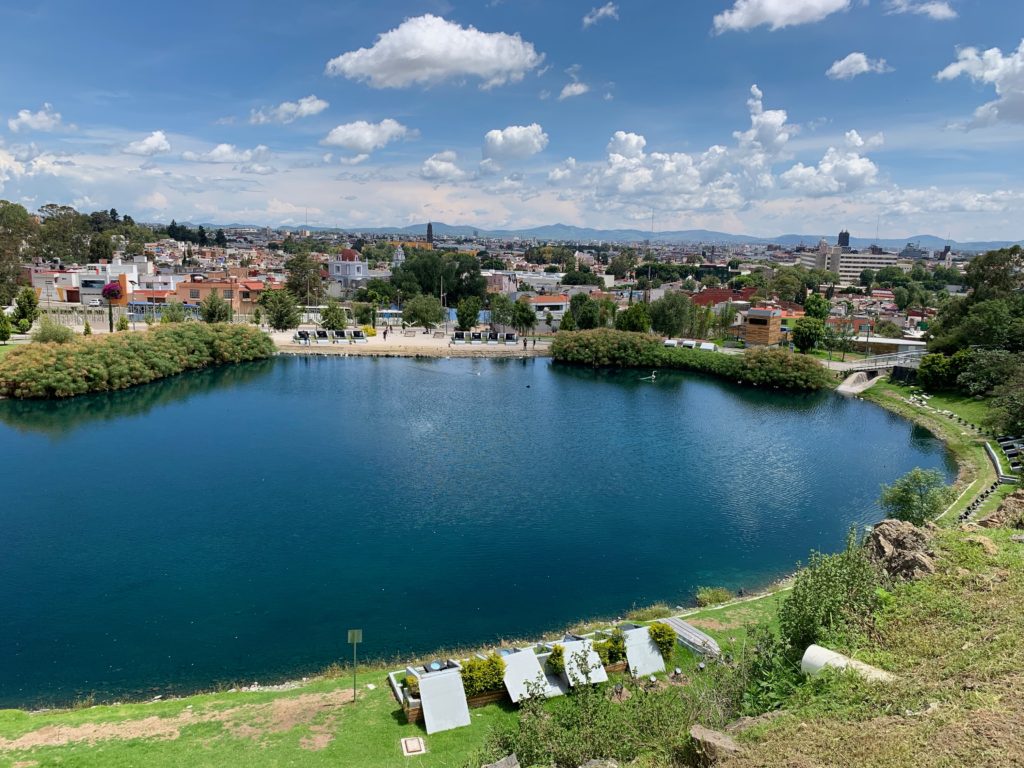
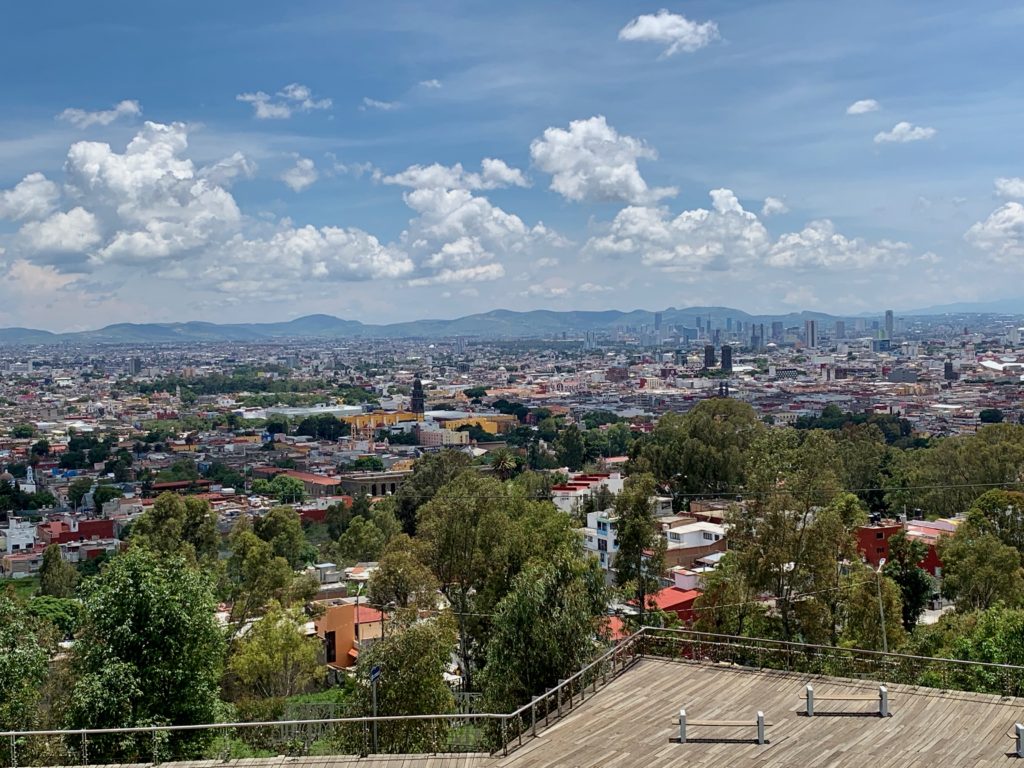
Noemi and I strolled around the hill, enjoying the views and chatting about her life. We didn’t go inside the forts or any of the many museums in the huge area known as Centro Cívico Cultural 5 de Mayo. That was fine with me. I needed some tranquility, and this park delivered.
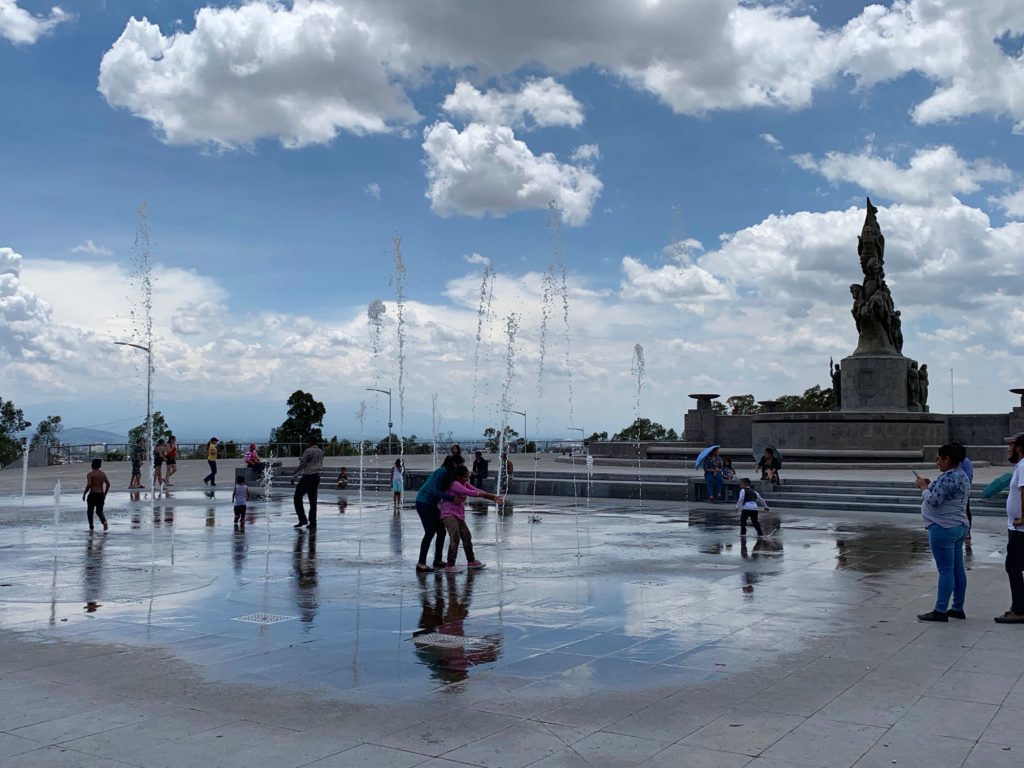
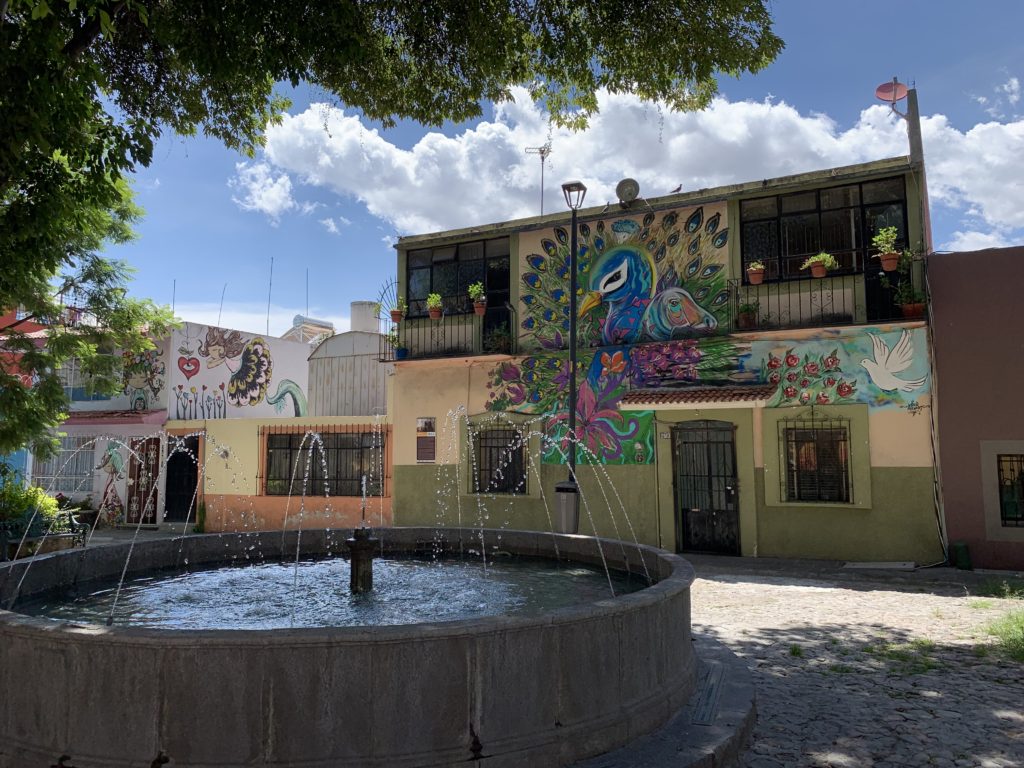
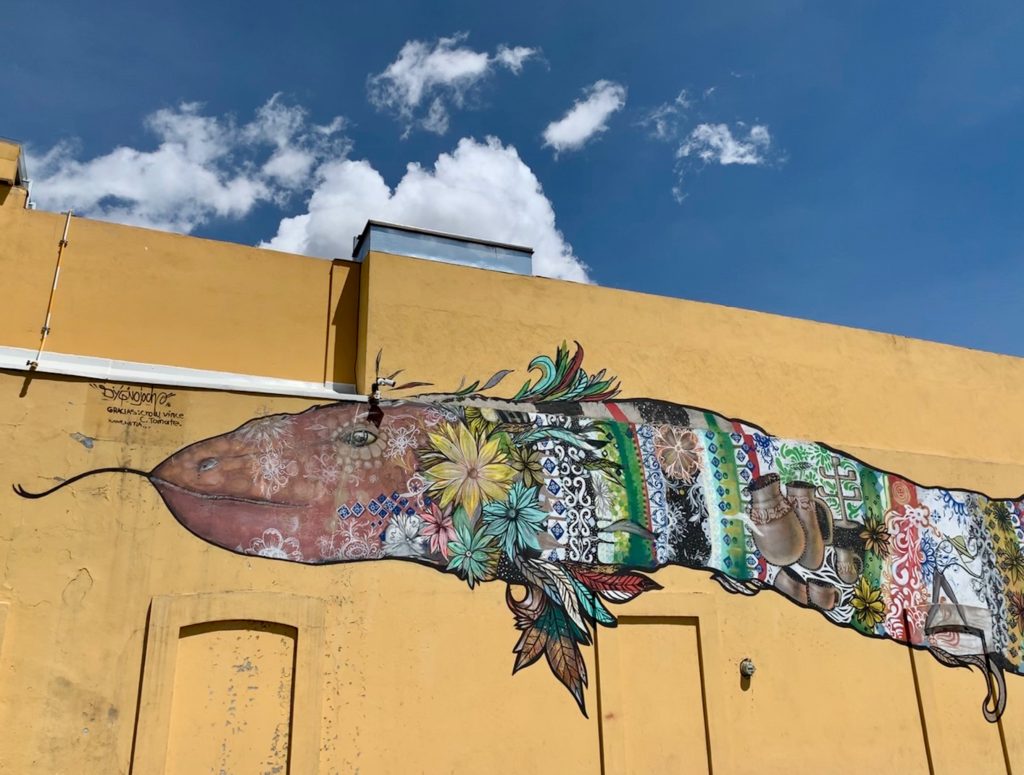
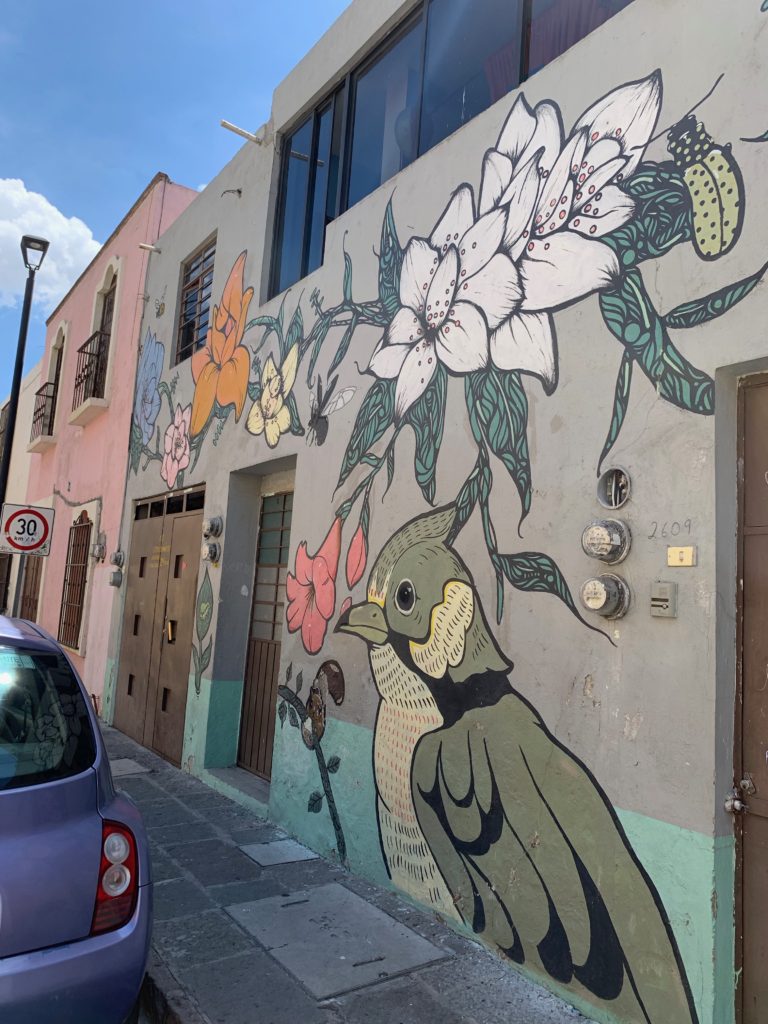
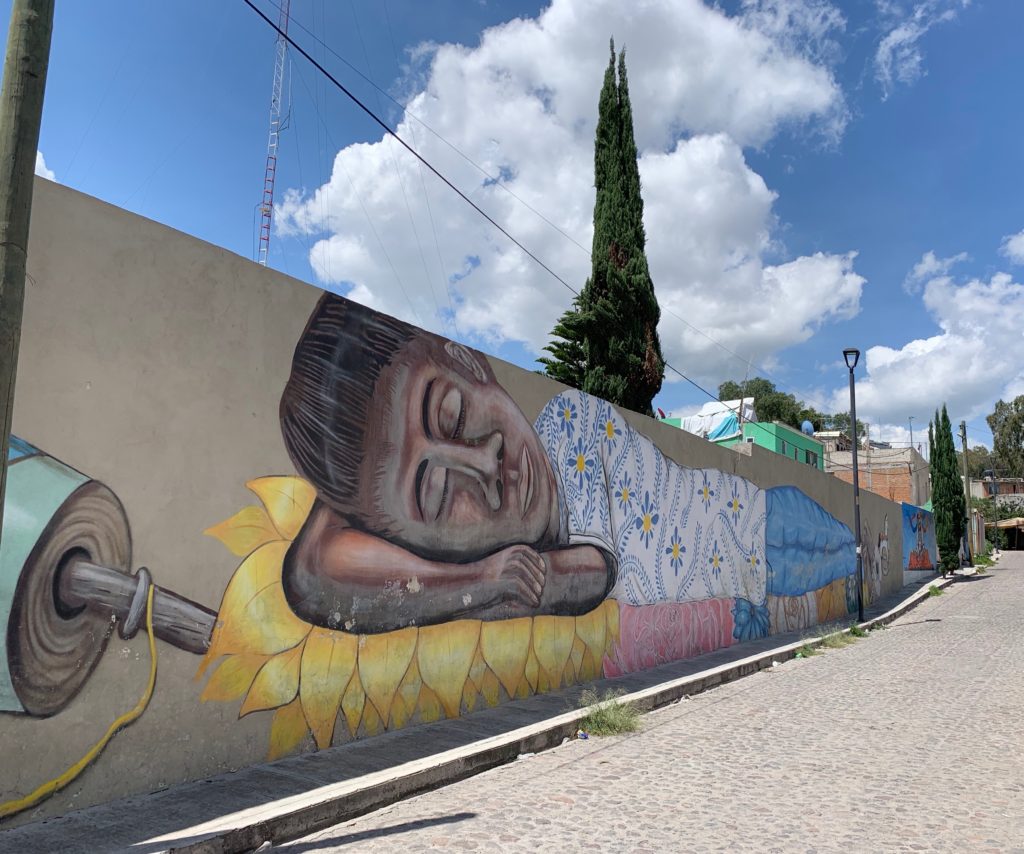
We walked down the hill and back to the historic town center, passing first through Barrio de Xanenetla, a neighborhood that had fallen on hard times until the community pulled together through a street art initiative.
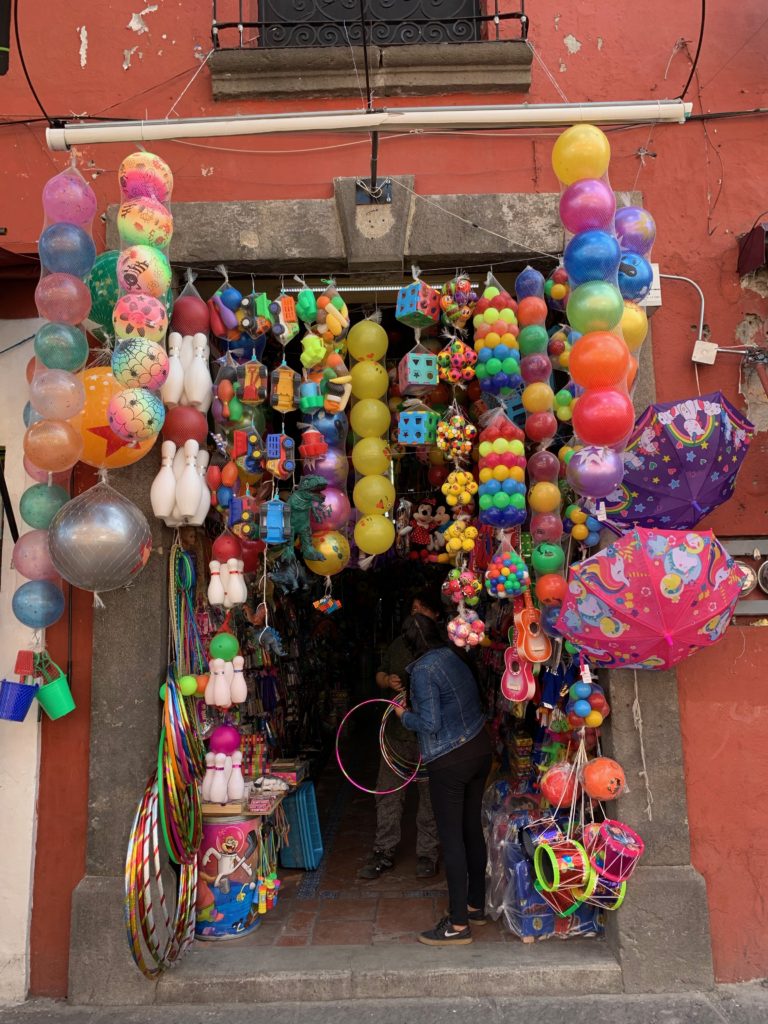
On our way back to my ‘hood, Noemi took me down Cinco de Mayo St., which crackled with life. The street was full of people shopping, performing, selling street food, resting on benches, eating ice cream, hawking balloons, chatting on phones, waiting for buses, pushing strollers, and doing all the things regular people do. “This is real,” Noemi said to me (only in Spanish). “Where you’re staying is historical, more tranquilo, but this is real life.” At that point, she spotted a toy store and bought a mini hula hoop for her daughter.
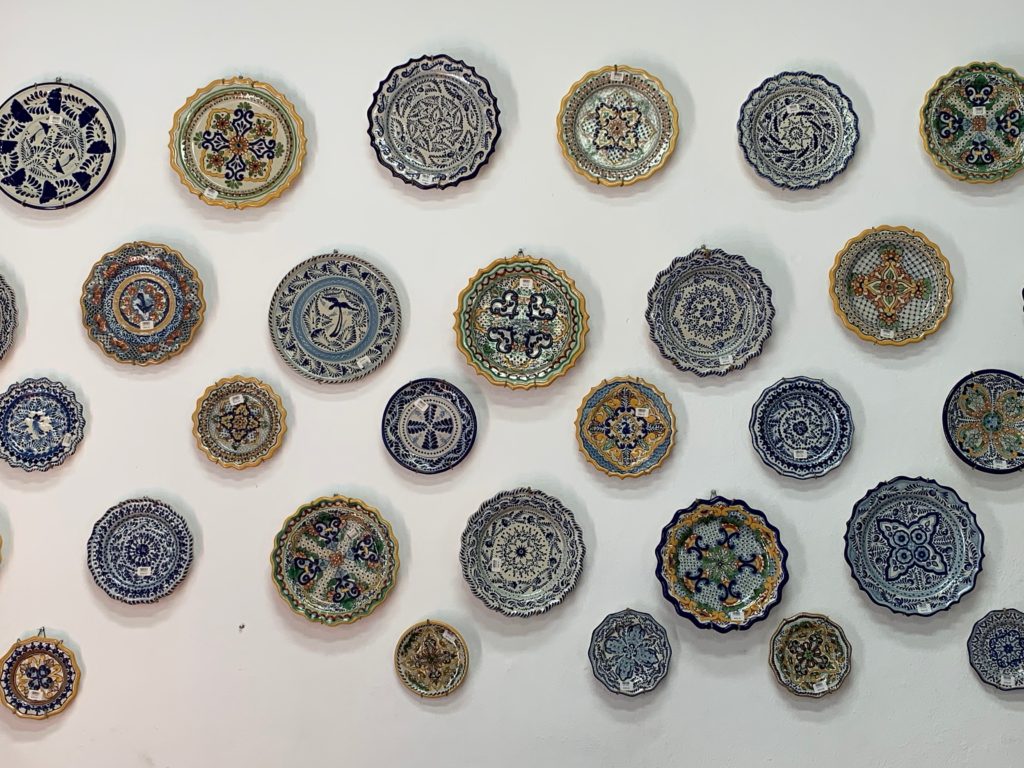
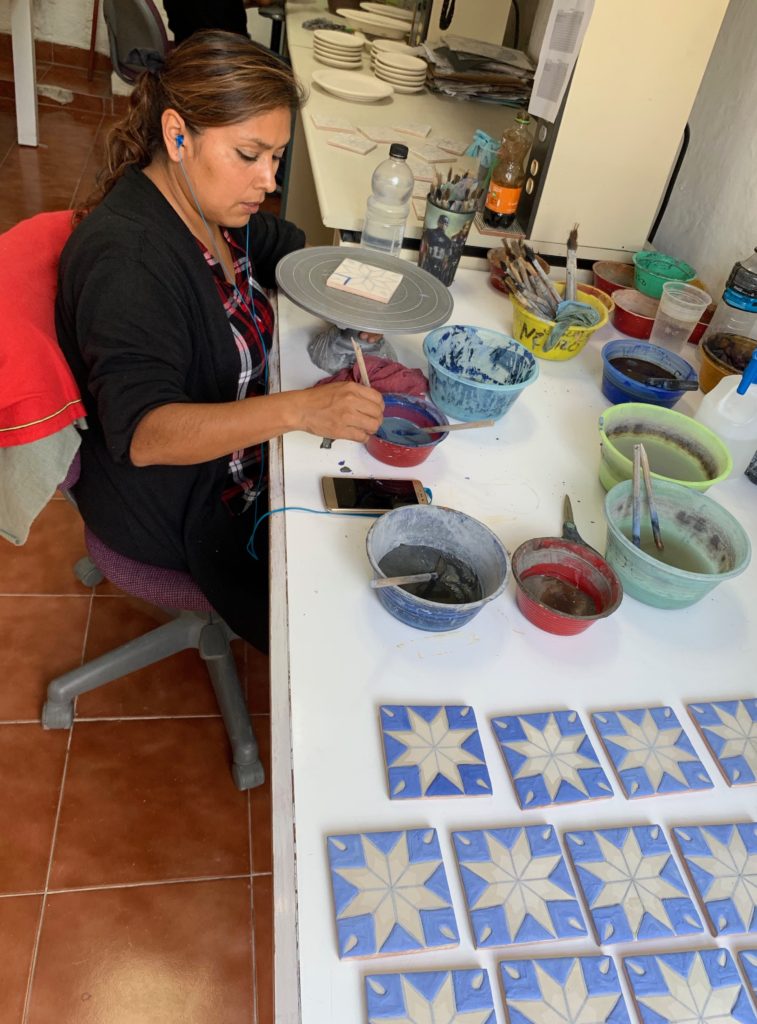
Week 2, Day 1: New week, new guide. This time, I was assigned to Pedro, a nice young guy who was passionate about the history of Puebla. We tagged along with another student, Zoe, and her guide, Angelica, to learn more about Puebla’s famous talavera industry.

Indigenous people in Mexico have been producing pottery for thousands of years, but new techniques and motifs arrived from Europe with the Spanish conquest. According to the website of the workshop we visited, Talavera de la Luz:

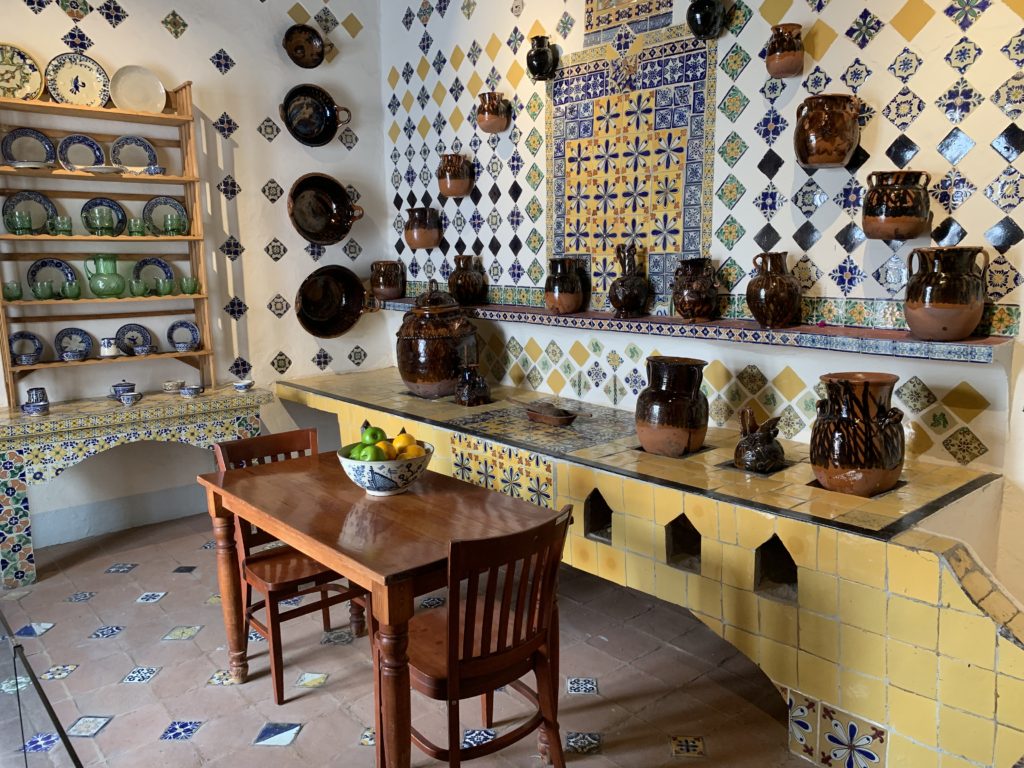
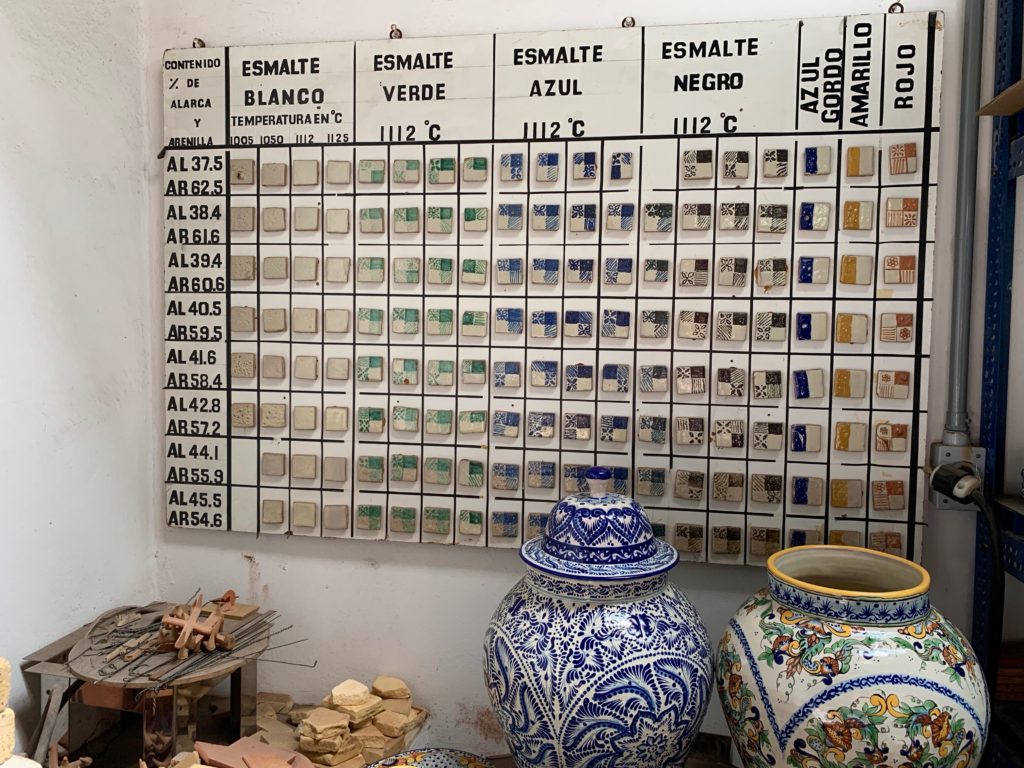
During Colonial times, Spaniards started bringing ceramics from Europe, as well as establishing Spanish potter workshops. Puebla was the main pottery production center not only of the New Spain, but of the New World. In 1550, 20 years after the city was founded, it already had several workshops of glazed pottery and tiles which would later be known as Talavera de Puebla and that, from that time, became the best known type of ceramics in the country and one of the oldest crafts in Mexico. Its name comes from the place of origin of the first artisans which produced it and from the fact that the techniques used copied those used in the town of Talavera de la Reyna, in Spain.

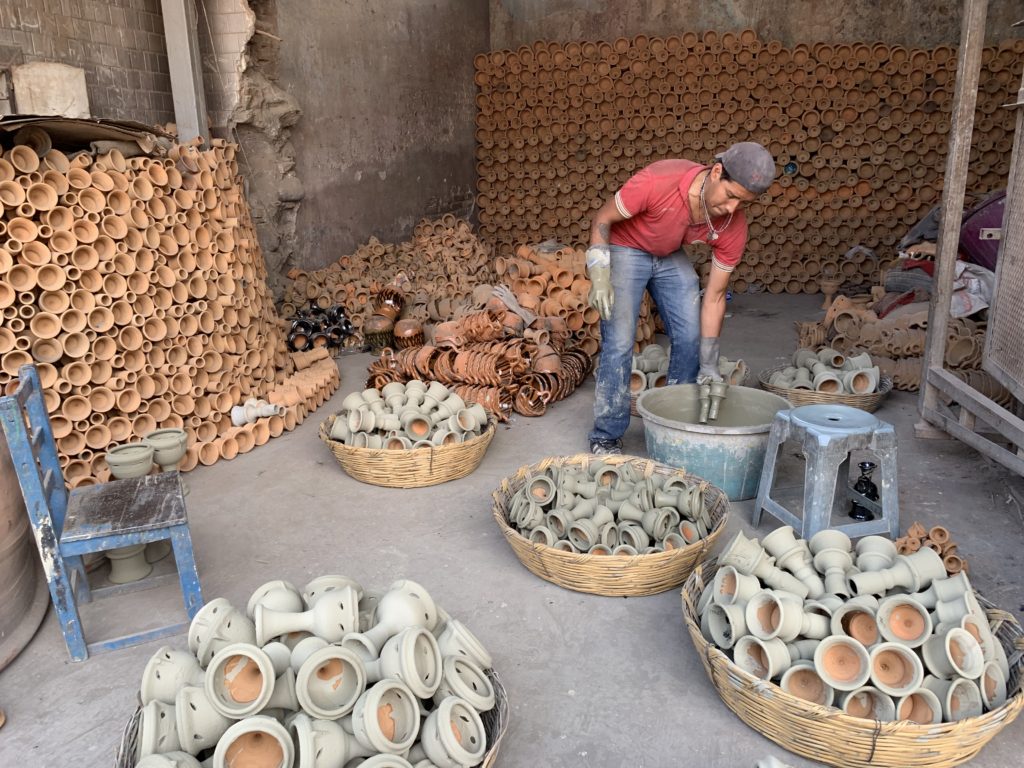
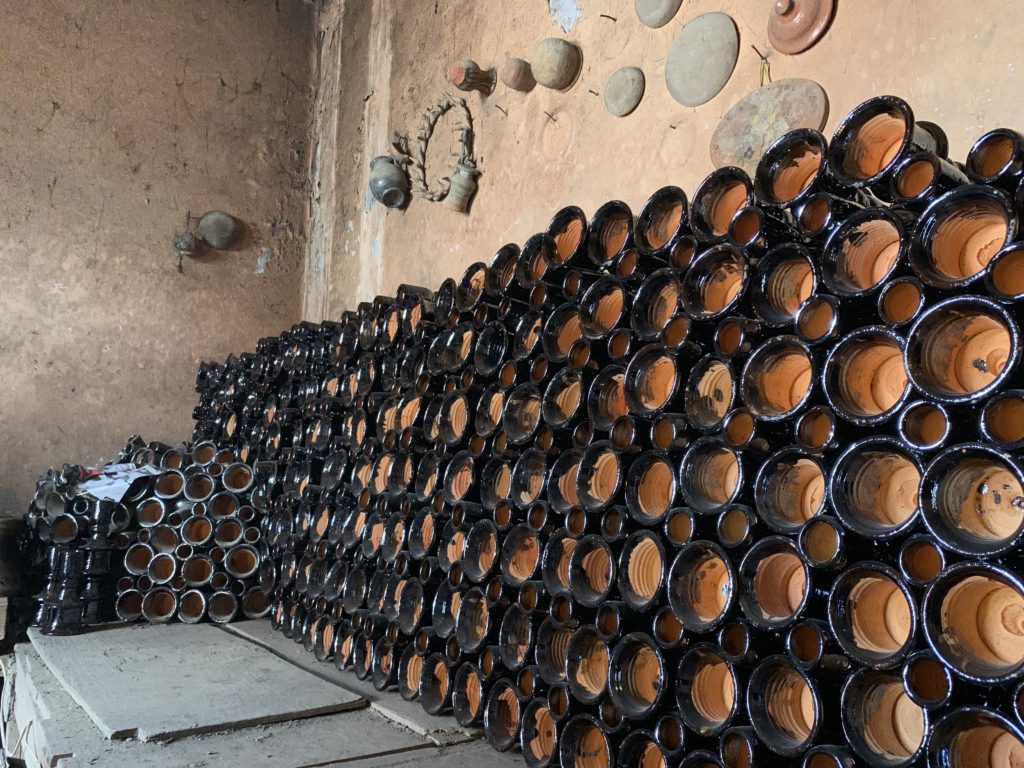
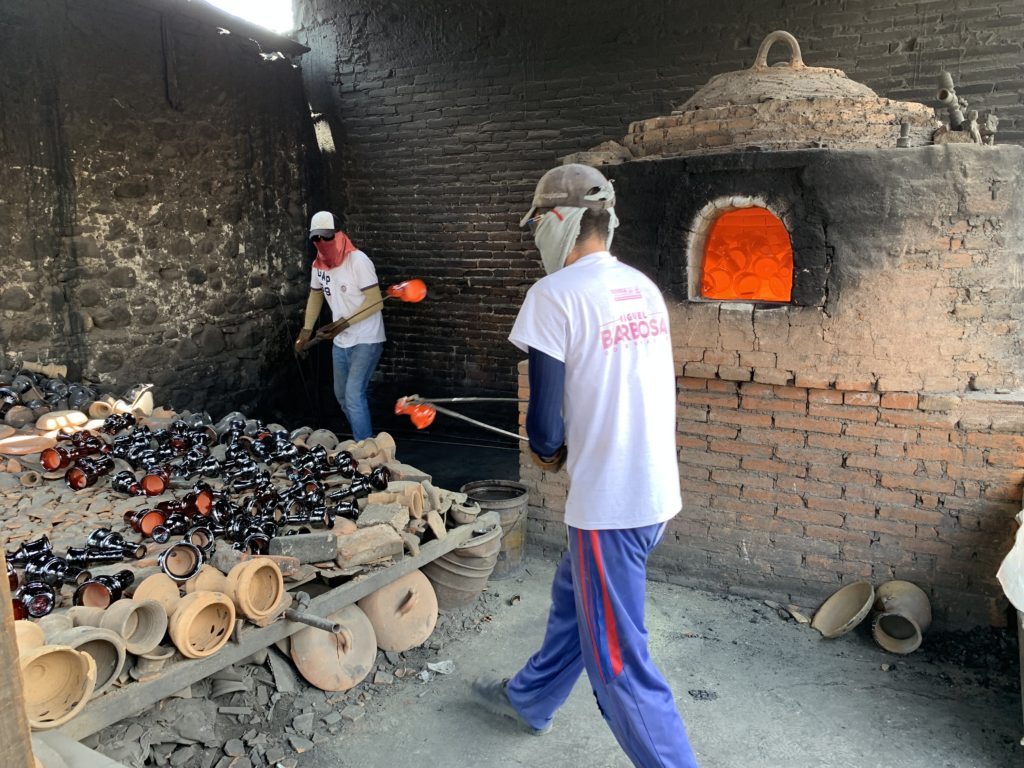
Before visiting the Talavera workshop, Angelica suggested we stop at a “taller de barro,” or workshop of clay. This was the highlight of my day! The workshop was located in a narrow alley full of smoke from the fire that heated the kiln. We watched a guy making chalices that are used during Day of the Dead (for candles or incense, I think). The maestro of the workshop showed us around and gave a ton of information. I tried really hard to pay attention and understand, I swear. But after awhile, I just got distracted. There was so much to see. I do recall him saying that they produce different items, depending on the season and the upcoming holidays. Oh, and he said a piece takes 15 days from start to finish.
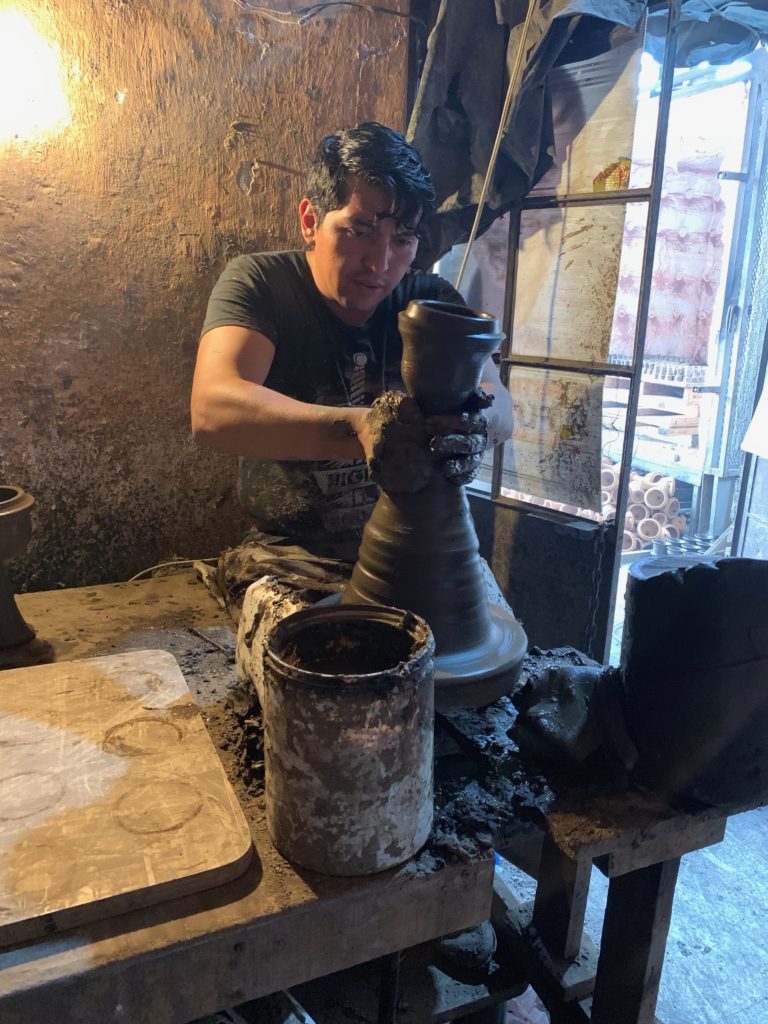
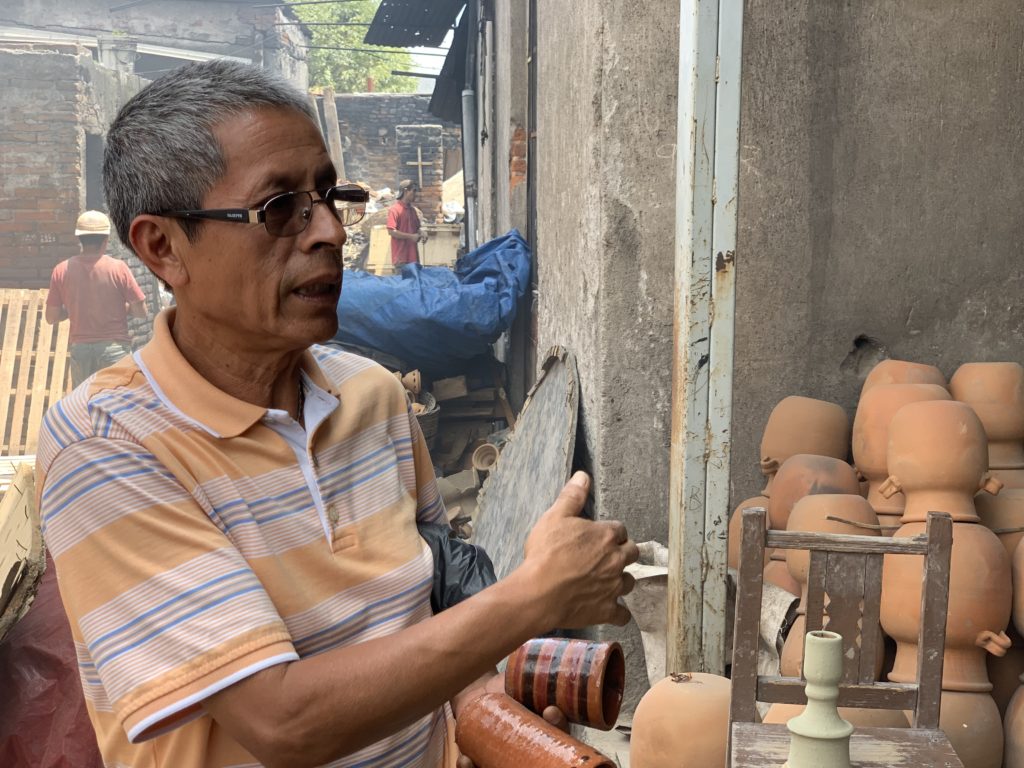
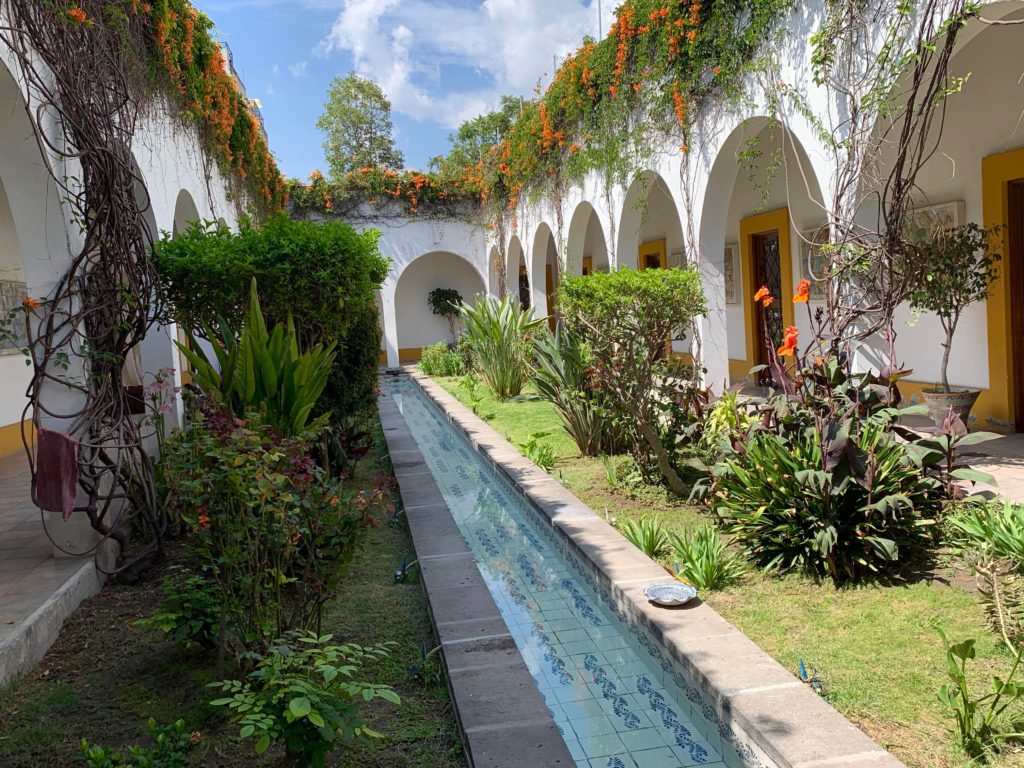
Next, we visited the much swankier Talavera de la Luz, which produces the real deal – only nine workshops are certified by the regulatory body Consejo Regulador de la Talavera, and it’s one of them.
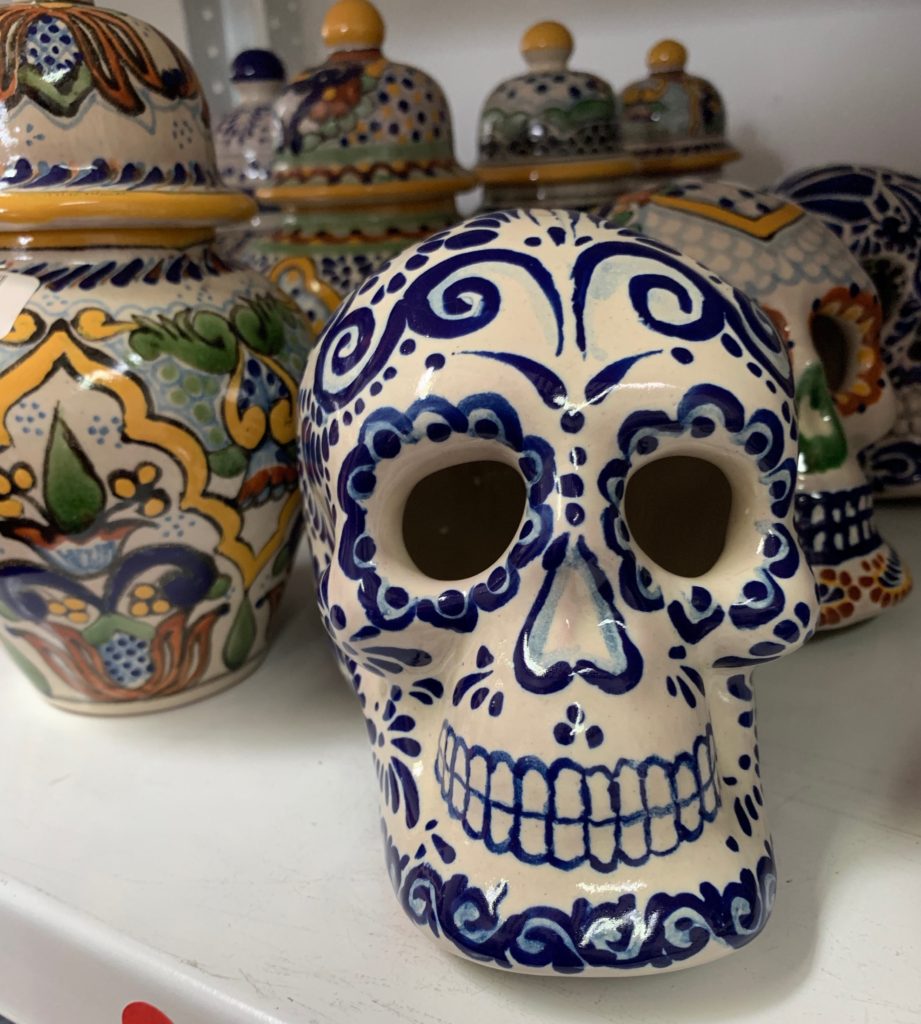
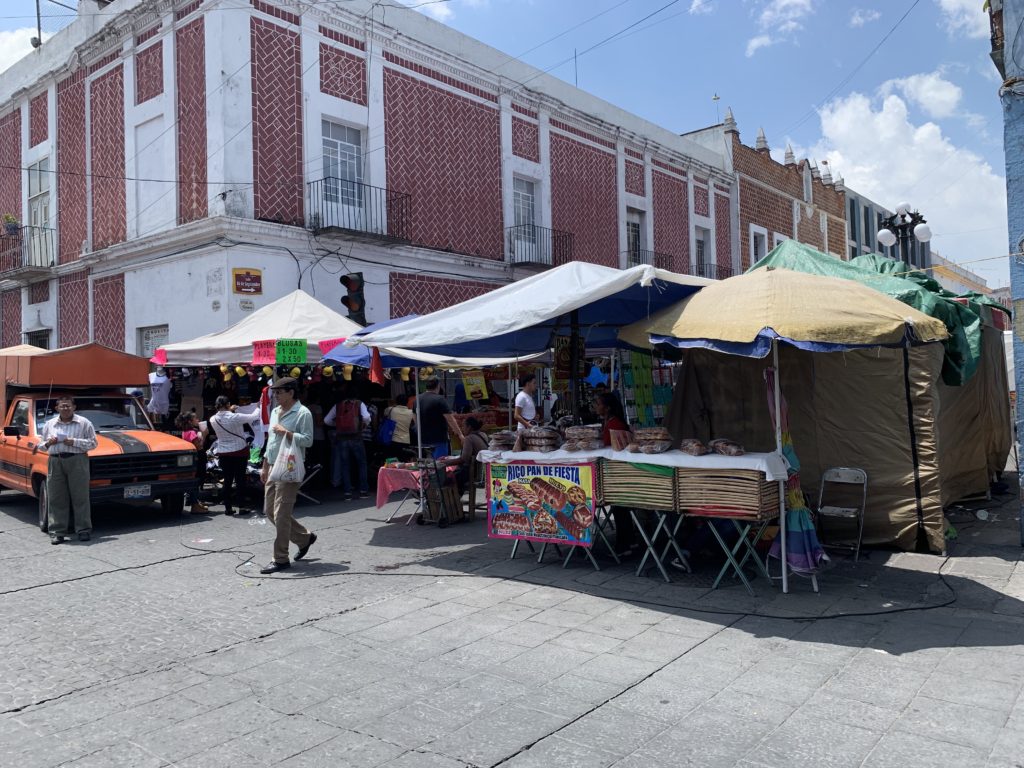
Week 2, Day 2: Today Pedro and I just wandered aimlessly around town. There was a huge festival celebrating the Day of Our Lady of Mount Carmel. Since my casa was very near the church honoring her, our neighborhood was bonkers. We strolled through the festival for a bit, checking out all the food and wares. It was hard to take photos because of the crowds and the low awnings over the booths.
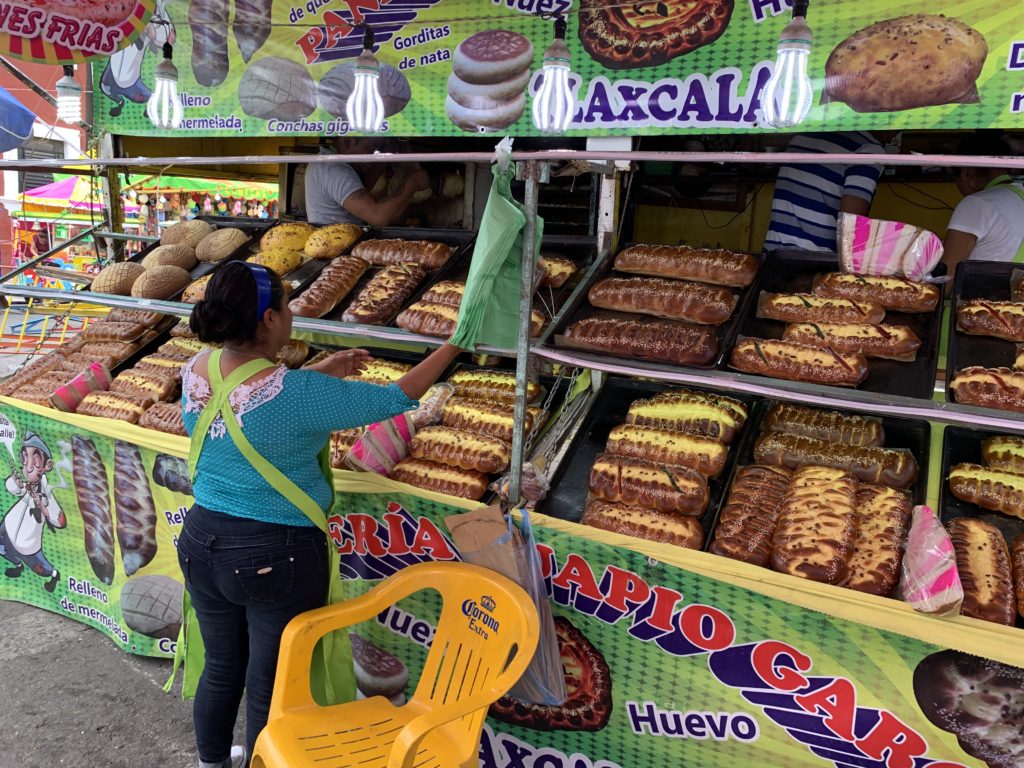

We were leaving the festival when I saw this little show of Lucha Libre! So hilarious!

I wanted to buy some traditional candy as gifts for people back in Chile, so Pedro took me to the Calle de los Dulces (Street of Sweets). I loaded up on camotes (cigar shaped treats made from sweet potatoes), Tortitas de Santa Clara (little shortbread pies with a pumpkin seed filling), jamoncillo (a milky fudge), and more. He also took me to a great little chocolate shop, La Casa de Robertina, where I bought a few more gifts (for myself) and some fancy coffee for my hosts.

On the way back to my house, I was feeling exhausted. I really just wanted to plop on the sofa with a beer. I stopped by a convenience store and bought a beer and some cookies, but then I got a bit embarrassed about it. I didn’t want my hosts to find an empty beer can in my room. So I drank it in secret and then stashed the can in my bag so I could throw it away outside the house. I felt like an underage college student. What has happened to me?

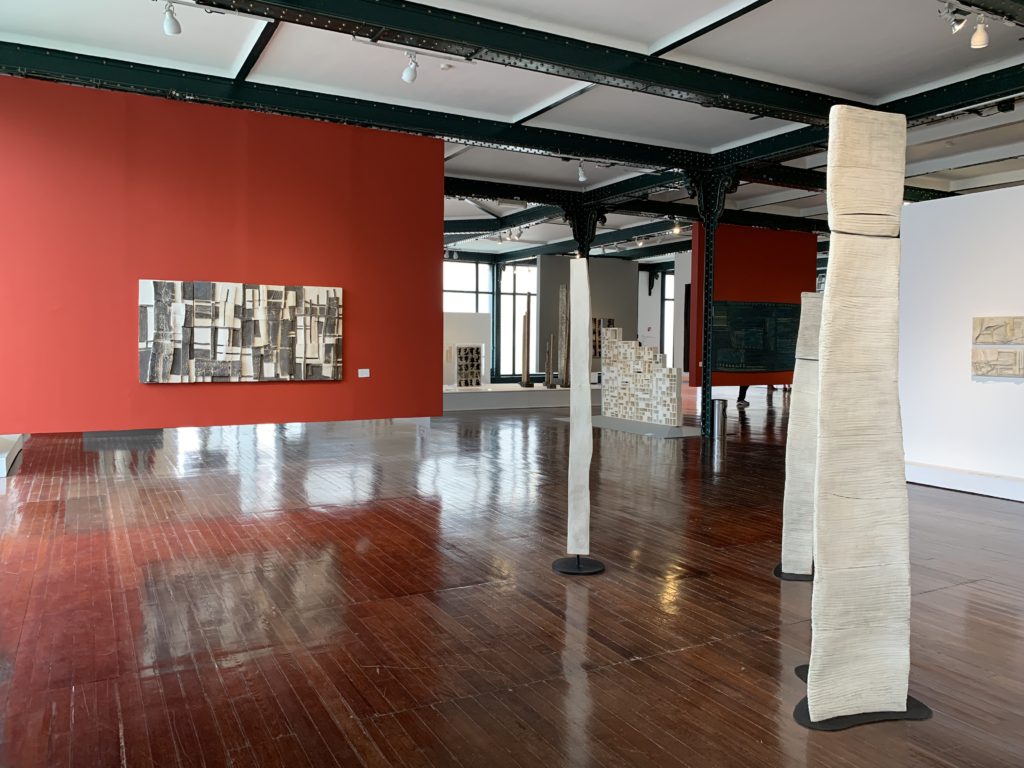
Week 2/Day 3: For my last day with a guide, I really just wanted to chill. I was so mentally and physically exhausted. Jacinda had recommended a nice little museum with an interesting art exhibit. I told Pedro I wanted to see that, and afterwards I thought he and I could hang out at a coffee shop for the rest of the afternoon. Instead, we walked for about 800 miles because Pedro’s maps app kept giving him incorrect directions. I wanted to scream. Finally, we asked some people for directions and walked another 800 miles to find the museum at La Universidad de las Américas Puebla. Two artists were spotlighted: Paloma Torres and Miguel Covarrubias.

Torres’ art included felt work tapestries, stone sculptures, large columns, and other works inspired both by the natural world and big cities.
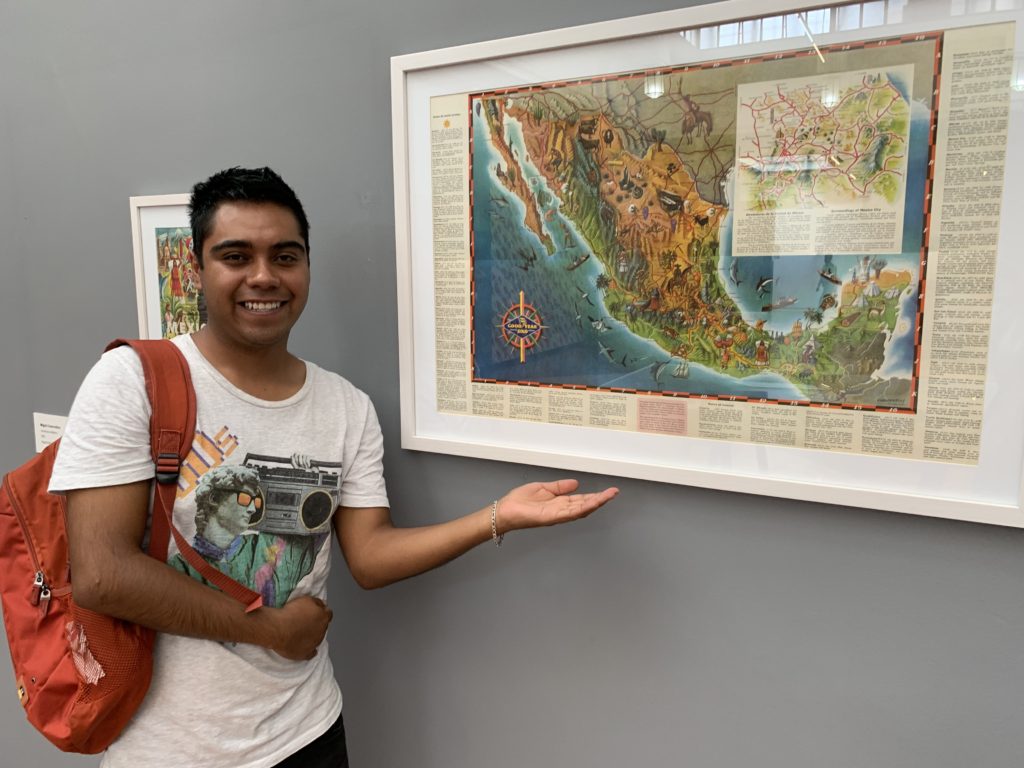
Covarrubias was a painter, caricaturist, illustrator, ethnographer, and historian. His work was featured in Vanity Fair and the New Yorker magazines, and his style influenced artists around the world. I went down the internet rabbit hole reading about him. What an interesting and accomplished man. Here’s a fun read from the Smithsonian’s National Portrait Gallery website. Pedro poses with one of Covarrubias’ maps, which was made for Goodyear as a promotional give-away.
To be honest, I could go the rest of my life without visiting another church, but Pedro said I couldn’t leave Puebla without seeing La Capilla del Rosario. The church was closed when we got there, so we killed a little time by visiting the museum next door, Museo Jose Luis Bello & Zetina. It was pretty interesting. According to a sign on the building:

The historic house museum has retained its original furniture from the 19th century, mainly from Europe. Its heritage is enriched by a series of silver, bronze, glass, marble and porcelain articles. The house holds the art collection that was part of the convent of the Order of Santo Domingo de Guzman. With the “Reform Laws,” the friars were expelled from their property in 1861 and a large part of the convent was destroyed. The rest was sold to private parties. Mr. Jose Luis Bello y Gonzalez, grandfather of our collector, bought the part of the convent that was the former pilgrim portal, adapting the lower floor for offices and constructing a private dwelling on the upper floor where Mr. Rodolfo Bello y Acedo lived; he bequeathed it to his son, Mr. Jose Luis Bello y Zetina, upon whose death it was given to a foundation to establish the “House Museum.”

When we came out, the church was open, so we popped in. Holy crap, I now see why this place is famous. The chapel is housed in the Church of Santo Domingo, which was fancy enough.
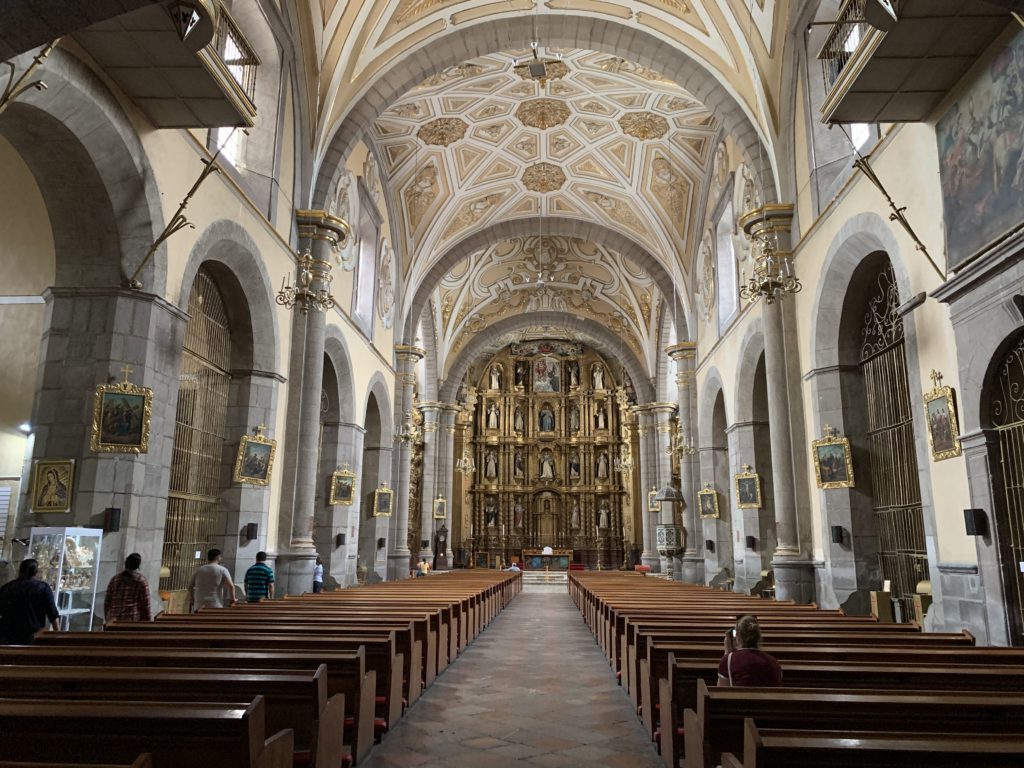
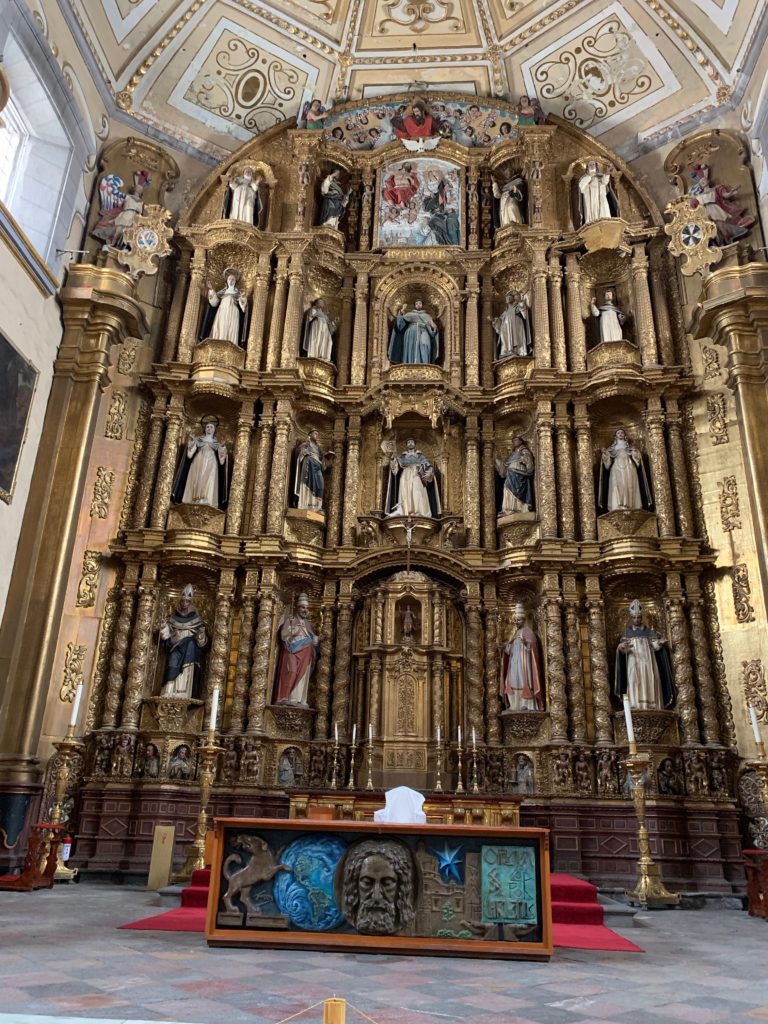
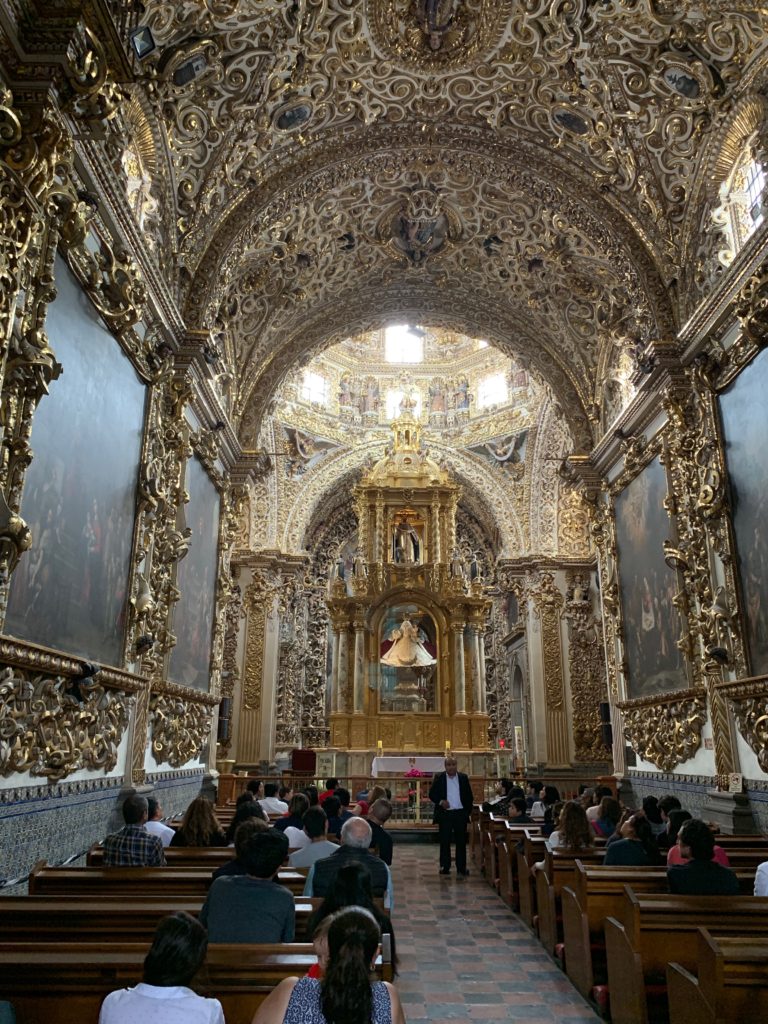
But then we turned left into the chapel, La Capilla del Rosario, and my jaw dropped. The 17th-century chapel is literally dripping with gold, 23-carat gold leaf to be precise. According to this Atlas Obscura article, “Its purpose was to honor the Virgin Mary as well as to teach the locals the practice of the rosary, of which the Dominicans (the order in charge of the temple), were ardent promoters.” Pedro and I chatted a bit about how hard it is to justify that much money going toward decorations when the church’s mission is to help the poor. But such is life.
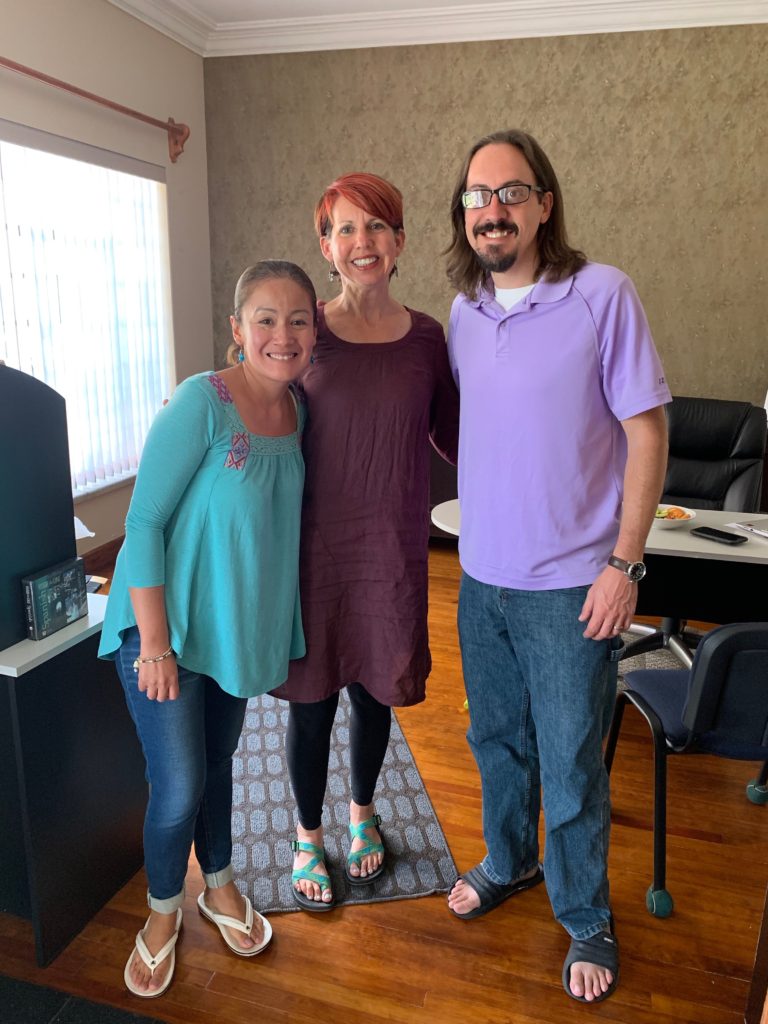
Hanging out with the guias was both the most challenging and the most useful part of my Spanish immersion experience. I both dreaded and looked forward to it each day. I knew it was important for my language development, but holy moly, it was mind-numbing. Thanks to Noemi and Pedro for their patience!
Livit Immersion Center – a wonderful dose of Spanish overload

After two weeks of studying Spanish in an immersion program in Mexico, I realized everyone’s going to ask, “So how’s your Spanish?” Let’s just get it out of the way.

It still sucks.

In fact, my Spanish may actually be worse than it was two weeks ago. I blame information overload. I mean, when I say “immersion,” I am not kidding. From the moment I stood at my bedroom door in the morning (taking deep breaths and giving myself a little pep talk before heading out to breakfast) until the moment I shut off the light and crawled into bed (after butchering the language at the dinner table, wading through my flashcards, and finishing my homework), it was nada but Español. I mean, sure, I would occasionally revert to English in a moment of panic or indulge in a delicious, brief conversation with my Californian house-mate in English to discuss complicated ideas, but generally, it was all Spanish, all the time.

I spent every week day at the Livit Immersion Center, started and run by Scott and Maru. They were both so kind, personable, funny, and soooo helpful.

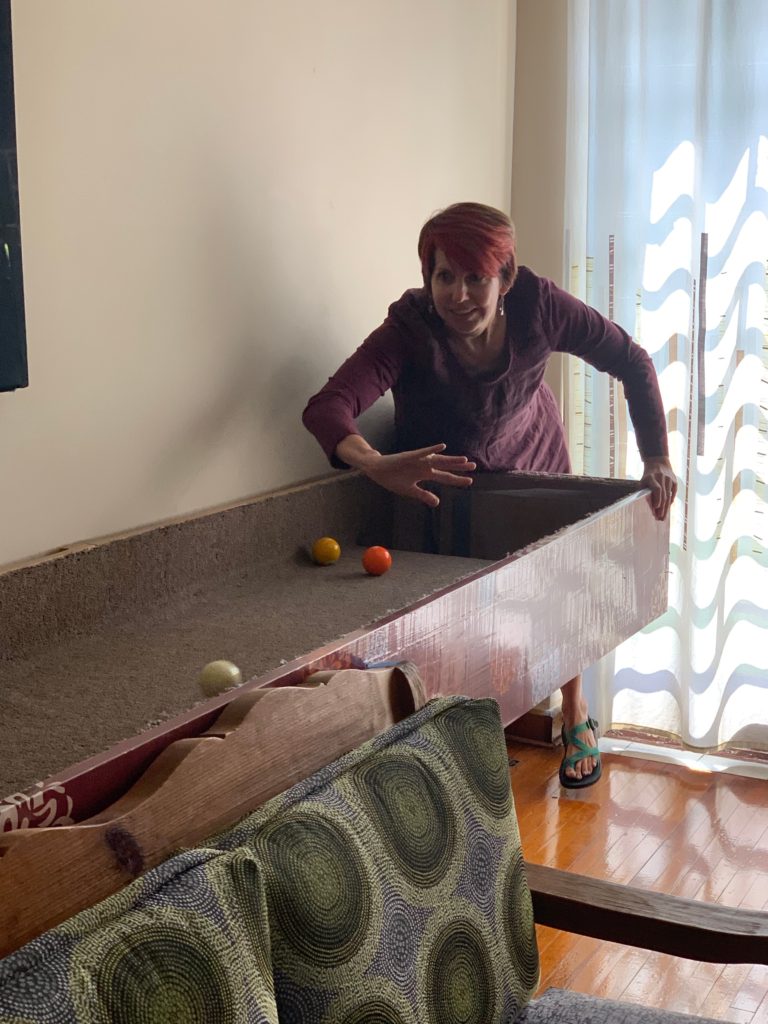
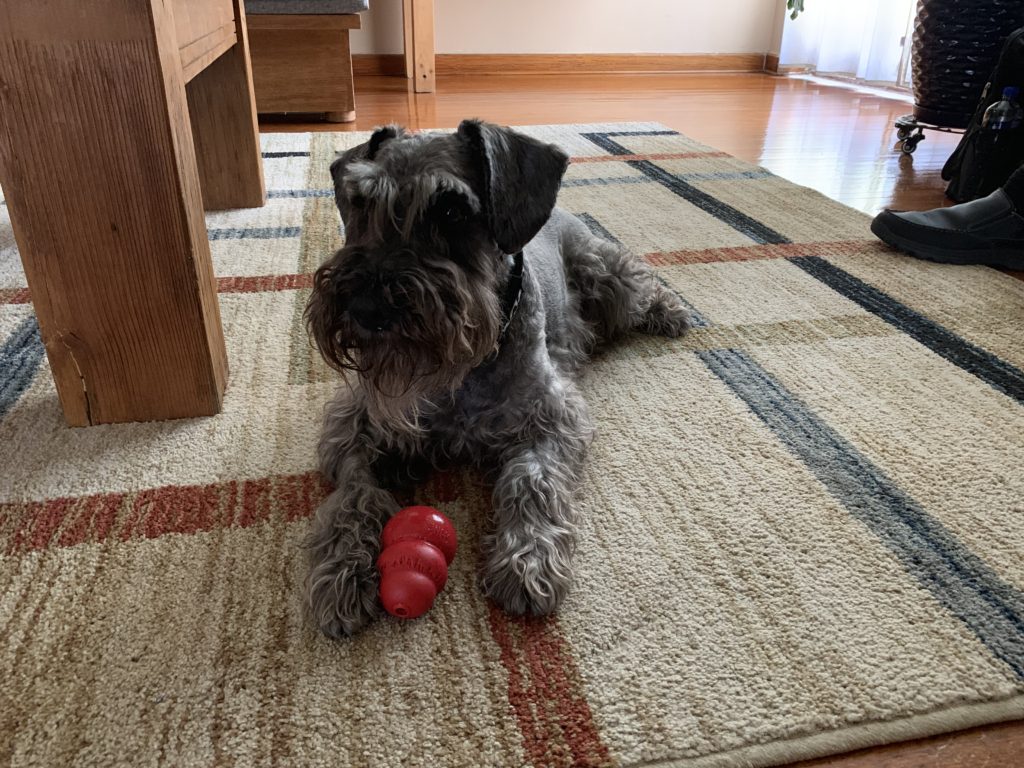
I absolutely loved their wacky dog, Beluga. During breaks, students hung out in the living room, chatted, or played carpetball, which involved rolling billiard balls down the table to knock off the competitor’s balls.

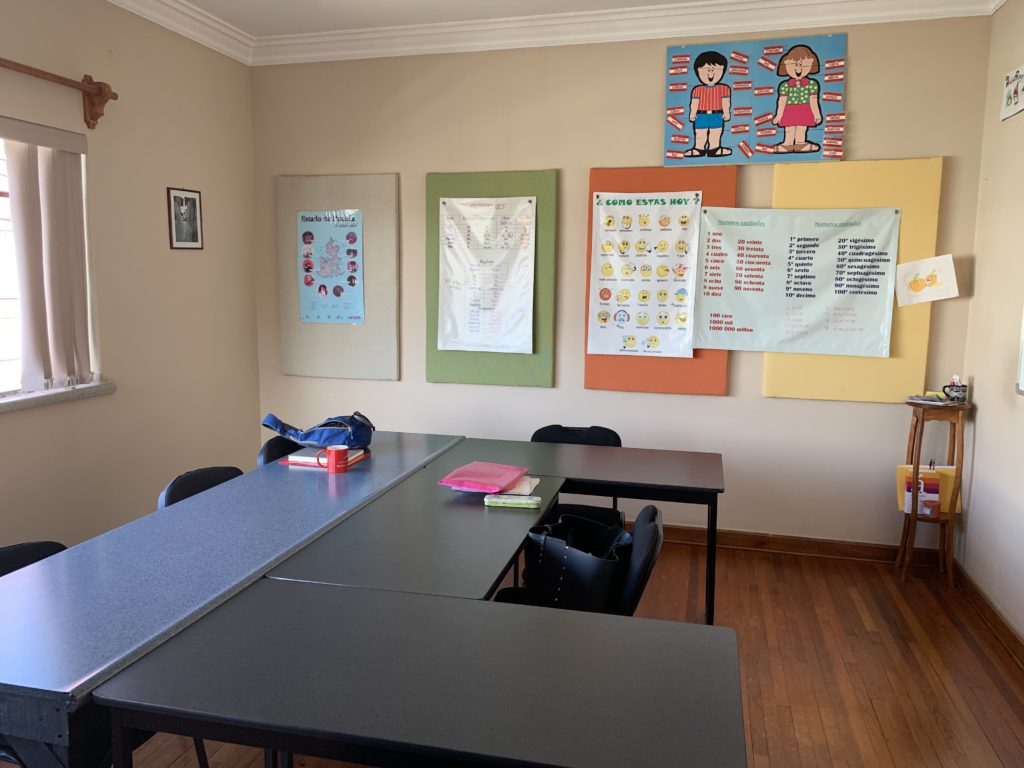
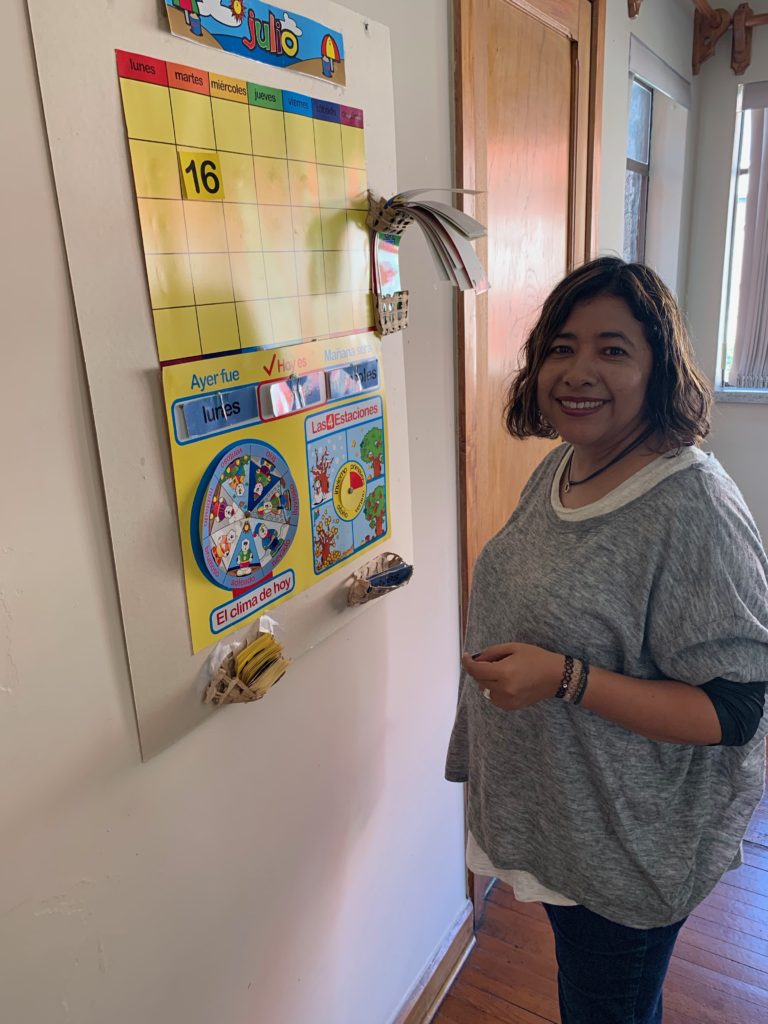
Here’s our classroom and my teacher, Anna. There were just two other students the first week, and another two joined the second week.

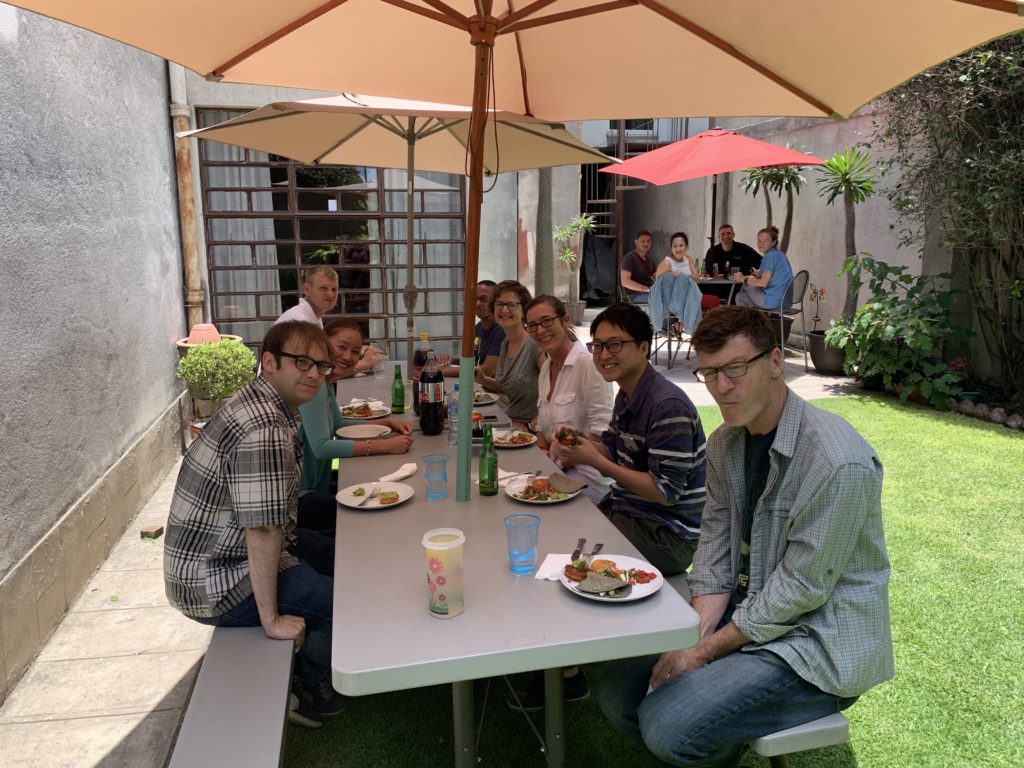
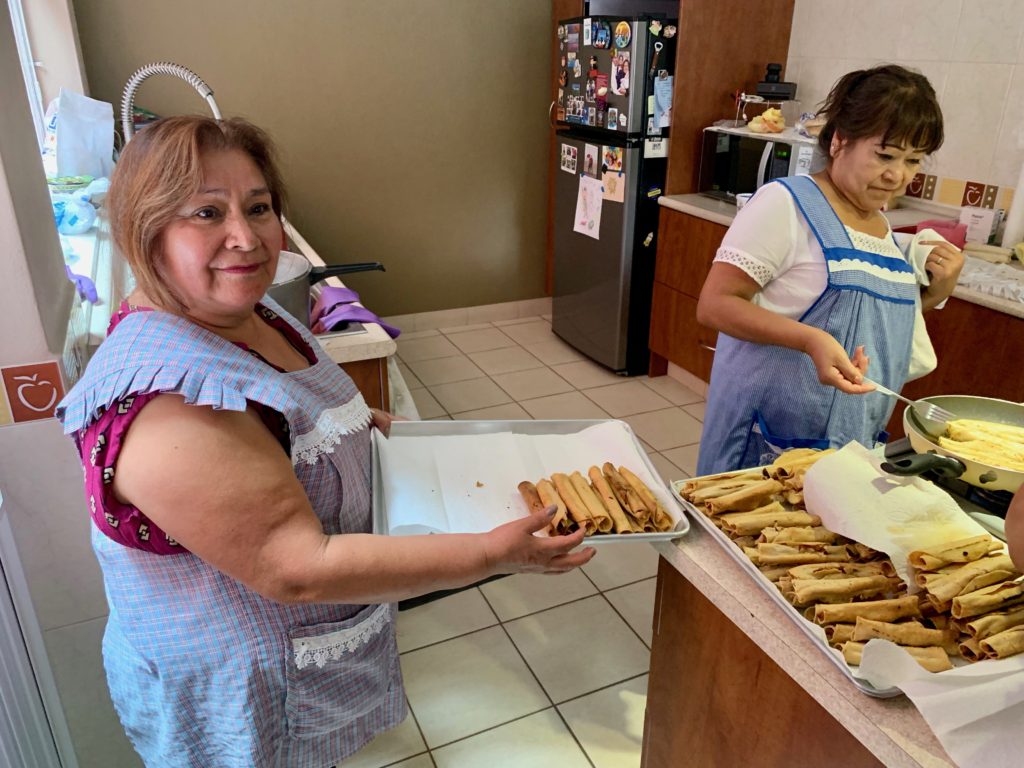
Students from all the classes ate lunch together outside. Meals were fabulous, prepared by Flora, Maru’s mom.

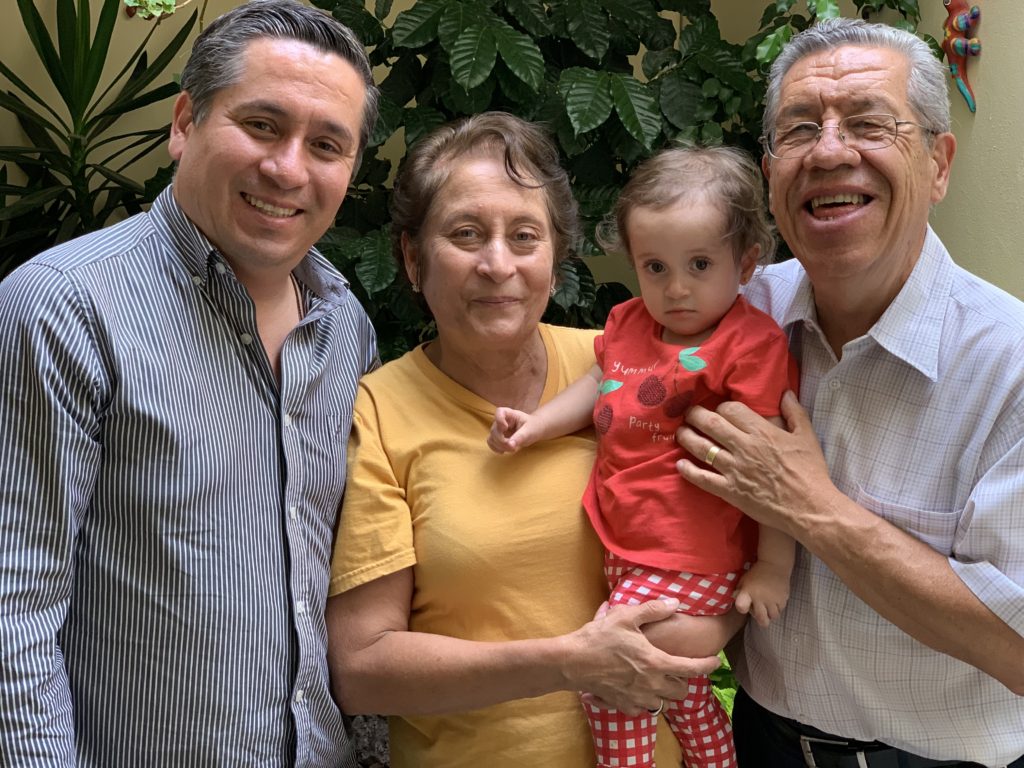
For housing, I was placed with Javier and Anita, who were unbelievably patient. They would smile and nod as I tossed verb tenses to the wind and added random endings to vocabulary words. They generally spoke as if addressing a toddler, which I appreciated. Sometimes Anita got going on a story, and her pace would speed up, and then I lost the plot. But more often than not, they both tried to use “comprehensible input,” as we say in the world of language acquisition.

Here they are with their son, Antonio, and granddaughter, Maria.


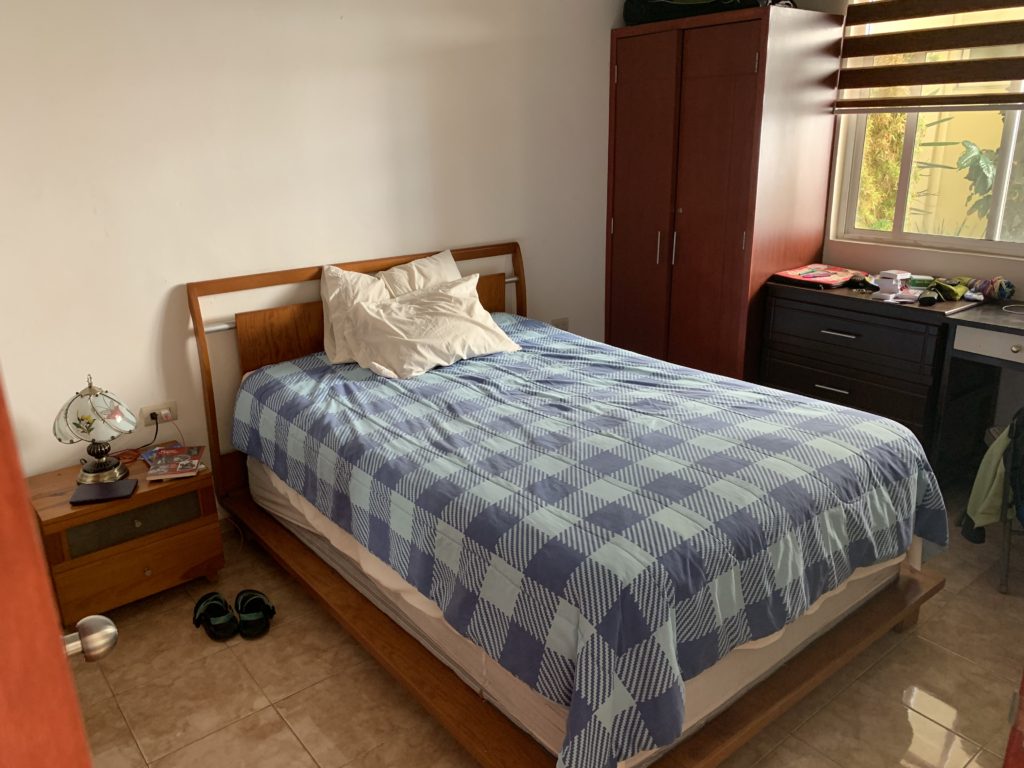
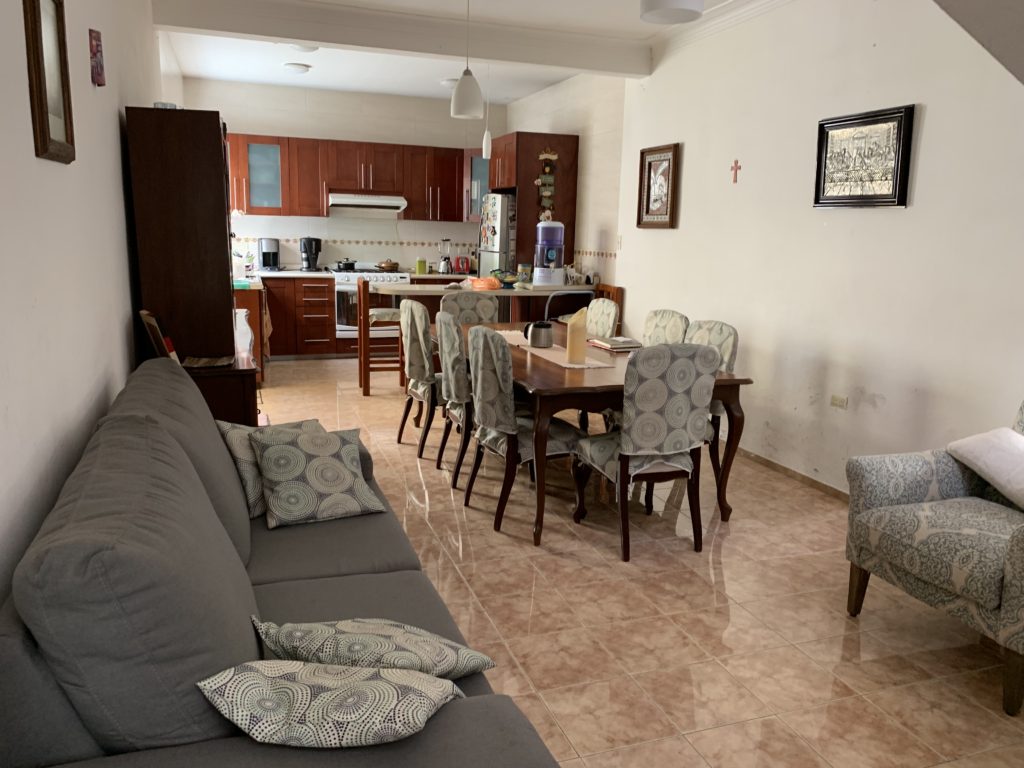
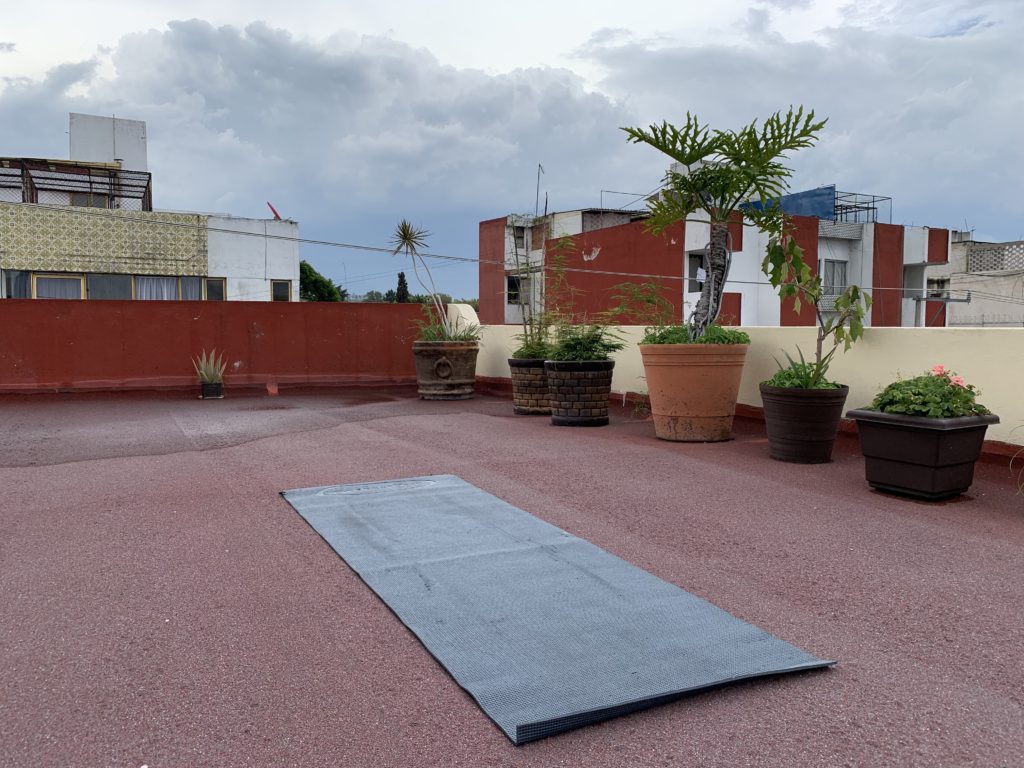
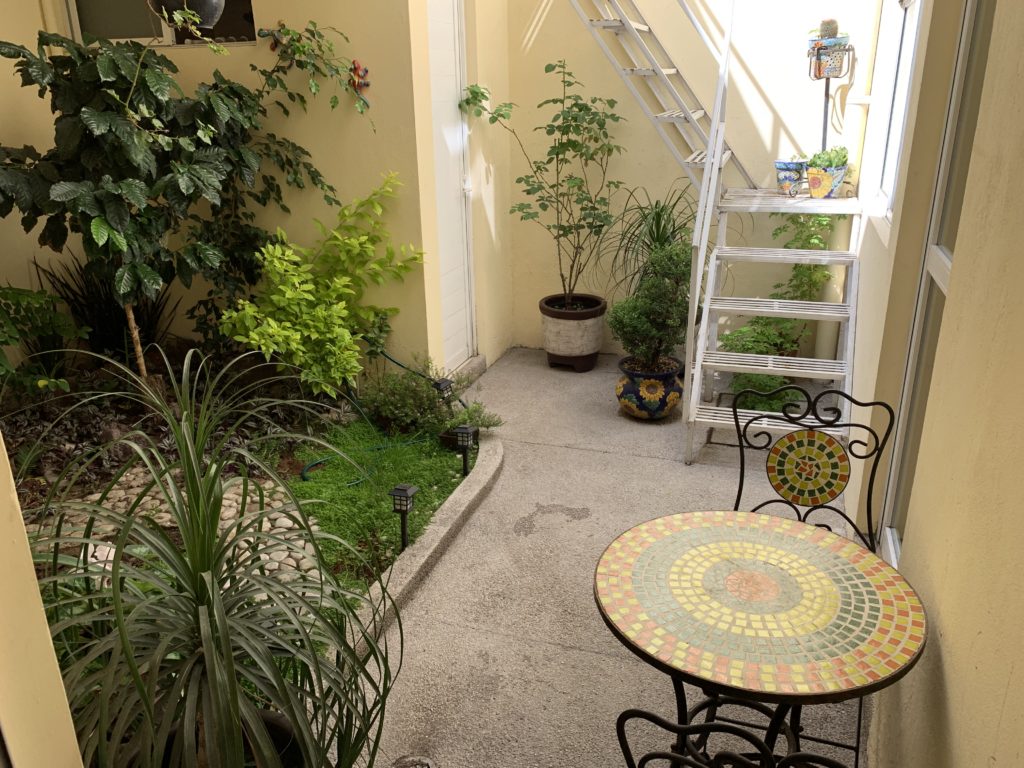
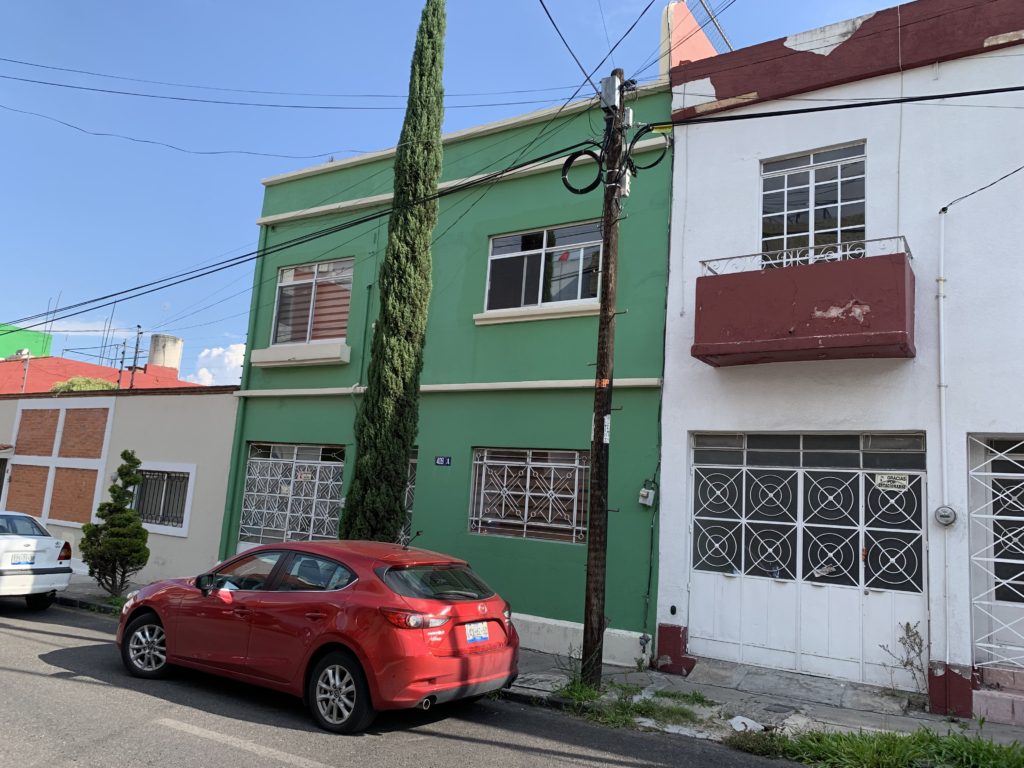
The green house was my home away from home. Comfy bedroom, my own bathroom, authentic Mexican meals, and lots of practice speaking Spanish. I threw down my yoga mat on the roof once, but then it rained every other afternoon.

Jacinda, another Livit student, stayed in a room upstairs. She was my security blanket for two weeks, and I often found myself looking to her to fill in the gaps when I had a Spanish brain freeze.

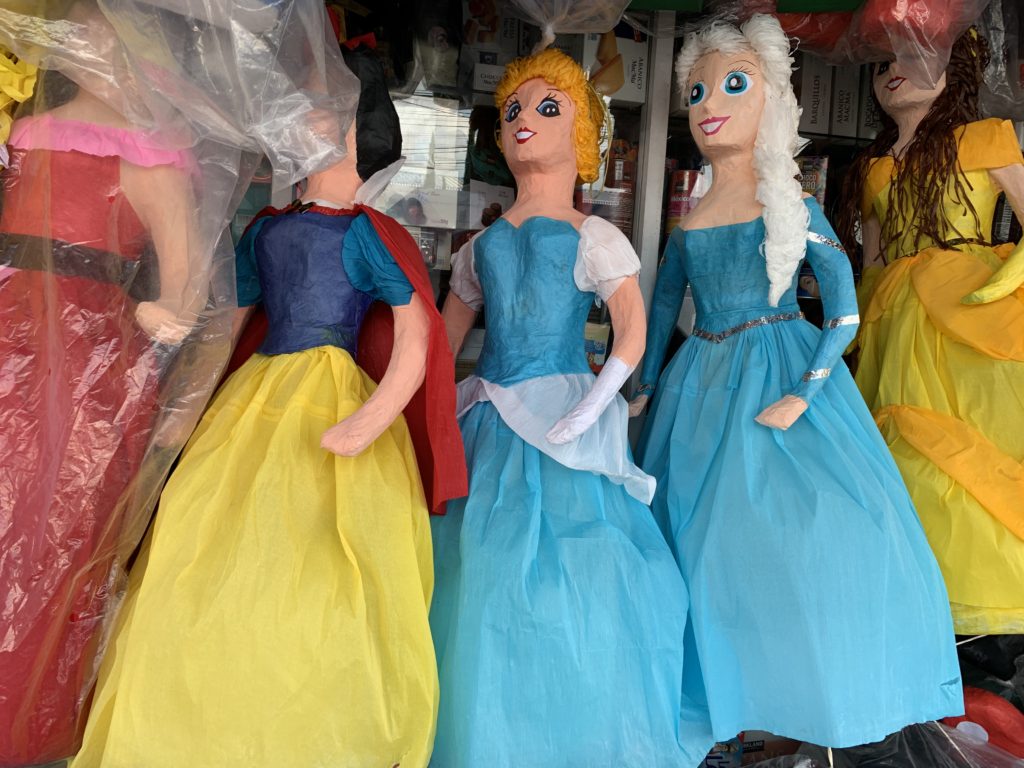
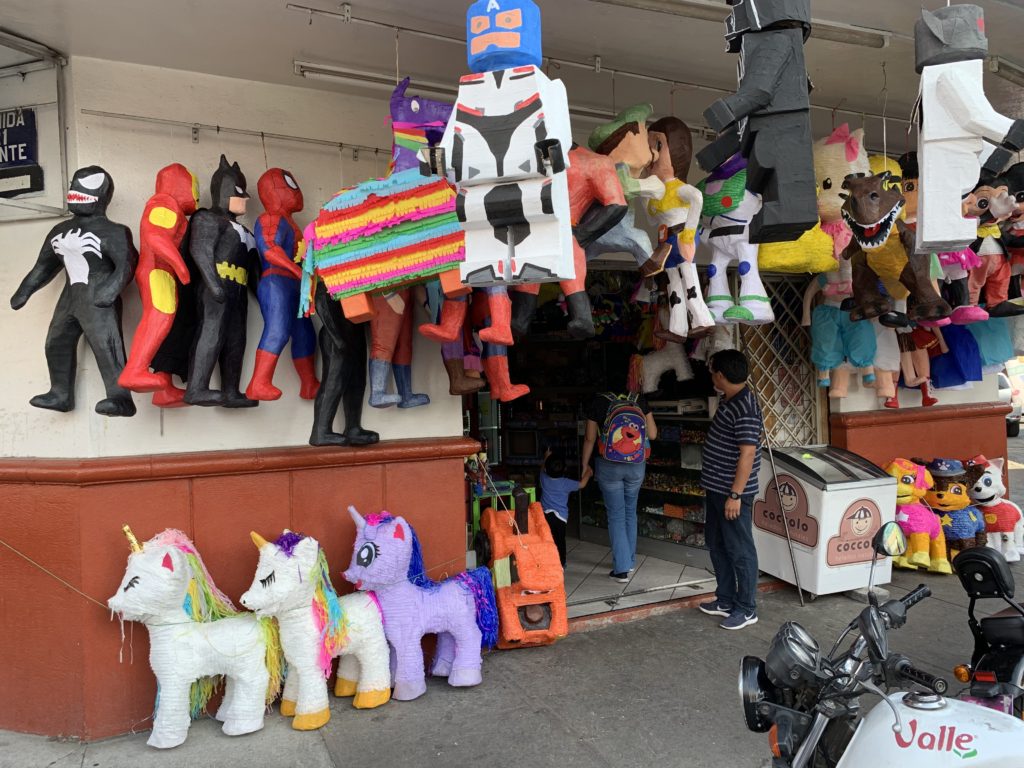
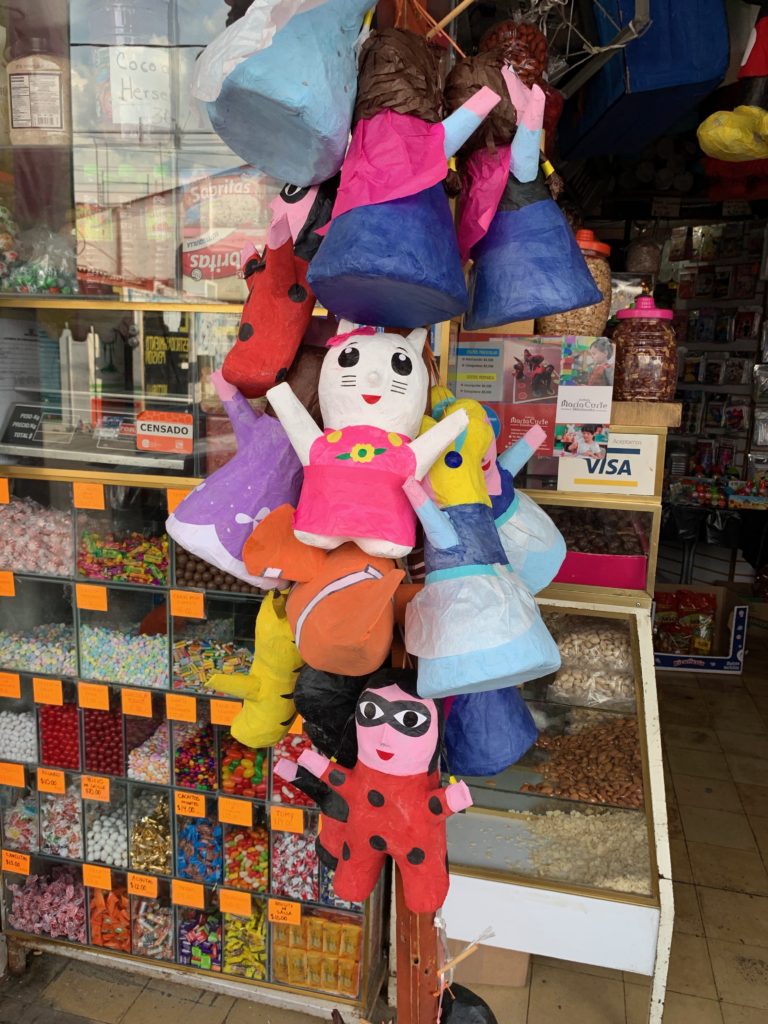
Students spent the afternoons with a one-to-one guide, tootling around town and chatting in Spanish. (I’ll write another post with details about that.) The first day, my guide asked if I knew the way home, and I confidently answered, “Por supuesto!” Not true. I got totally lost … for hours. To my embarrassment, the same thing happened the second day. I had opted not to buy a Mexican SIM card for my phone, so I couldn’t use google maps or other internet-based apps outside of wifi. Eventually, I learned my way around town. These piñata shops were on the corner of my street, so I always felt relieved to see them. (Seems a little creepy to beat the crap out of Disney princesses to get candy, no?)

Just to clarify, I’m not saying I didn’t learn anything. In fact, I learned a LOT. It’s just that I didn’t have time to process what I’ve learned and actually put it in to practice. The classes moved so quickly, and my old brain just couldn’t absorb it like I used to. However, if nothing else, I have a new passion for mastering this #%*@ language. In our years abroad, I’ve studied Turkish, Mandarin, and Lao (not to mention my high school language, German), but all along, I was “saving” Spanish for last. I just had this feeling that Spanish was going to be a breeze, and I would get fluent in no time.

It’s not, and I didn’t. But I haven’t given up.

Regardless of my progress (or lack thereof), I loved this immersion experience, and I absolutely want to do it again. Maybe that’s the most important thing I learned: that I could do it.

Considering how completely shattered – mentally and physically – I was at the end of each day, I’m thinking it would be both powerful and rejuvenating to tack on an immersion experience at the beginning of a travel experience in a Spanish-speaking country (instead of heading straight back to work afterwards). I’m already making plans! More Mexico? Columbia? Ecuador? What’s next?!

Aprender español en México- una patada en los pantalones

One evening in Chile, I was sipping wine while trying to read news stories on the internet in Spanish. As a former journalist, I still feel the need to stay abreast of the news, but I frequently feel clueless about what’s going on in Santiago. Unfortunately, it’s hard to be informed when you have so few resources in English and pathetic Spanish skills. (Even after three years in a Spanish-speaking country!)

During a moment of tipsy frustration, I decided I needed a kick in the pants. I googled immersion Spanish programs around the world and read heaps of reviews. Another glass of wine, and – click – just like that, I was booked for two weeks at the Livit Immersion Center in Puebla, Mexico.

That felt good, so I kind of forgot about it for a few months. When our winter break rolled around last month, I suddenly realized that I was going to Mexico. To study Spanish for two weeks. And live with a Mexican family. By myself.

Holy crap! What had I done?

Departing Florida, I said farewell to Tony and the rest of my family. I took a deep breath and prepared to jump feet first into Spanish.

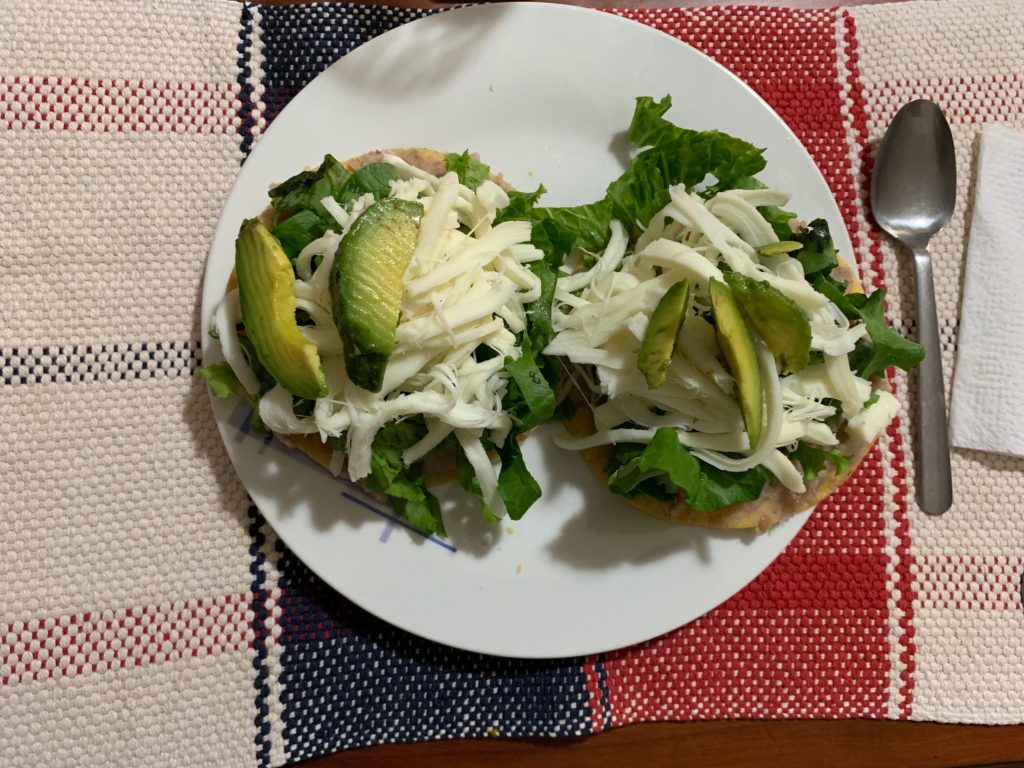
My casa away from casa is located in east-central Mexico, about two hours by car from Mexico City. My hosts, Javier and Anita, are lovely and patient with my rambling attempts to communicate. They have hosted students for the school for 10 years, so they have this down to a science. Another student, Jacinda, stays upstairs. We’re close to the same age, which is to say, we’re quite a bit older than the other students at the school. It’s nice to have someone else at the table during meals to take some of the pressure off! Speaking of the table, Anita prepares wonderful authentic meals for us for breakfast and dinner (and serves them at gringo hours … whew!).

Here’s our school schedule: Classes every day from 9 a.m. to 1 p.m. Mondays, Tuesdays, and Wednesdays, we tour Puebla with a one-to-one language guide in the afternoon. We have excursions on Thursdays and free time on Fridays.

Lunch takes place in the school’s back yard three days a week. The food has been fabulous, prepared by Flora, whose daughter Maru runs the school with her husband, Scott. We all try to speak Spanish as much as possible. Tuesdays, we all go to a restaurant together. Thursdays, we pile into a bus with our sack lunches for an excursion to a nearby attraction.

I am in a class with two guys who are seminary students from Texas, Ryan and Luke. They have been at the language school for six weeks, so their vocabulary is pretty strong. The school focuses on building conversational skills, and our lessons follow a pattern: Our teacher, Anna, passes out words to each of us, and we have try to make the others guess the words. Then we turn in our diario for her to check. (It takes me hours each night to write a one-page diary entry about my day. Sigh…) Next, she uses a list of random questions to promote conversation, focused on a specific grammatical structure. We read a text, do a few worksheets, learn something new (verb tense/pronouns/etc.), and then do a few more worksheets and have another conversation.

So far, it’s been hard. At times, it’s extremely frustrating. However, I feel confident that this is what I need to kickstart my Spanish. Ay carumba!

A long-awaited fairy tale wedding for a special friend

Once upon a time – a long, long time ago – there were three best friends: Cami, Tarren, and Sharon. As often happens, they moved to different cities, started families, and pursued careers. Although they didn’t see each other much, they knew they held a special place in each other’s hearts. When Cami’s heart was broken, Tarren and Sharon wanted nothing more than for her to find true love and happiness again.

And then she did!

The three friends reunited the weekend of July 5 for Cami’s wedding to Mark, a kind and funny man who adores Cami, as well as her kids, dog, and extended family. Tarren and Sharon could tell this was the real deal, and their hearts were filled with joy.

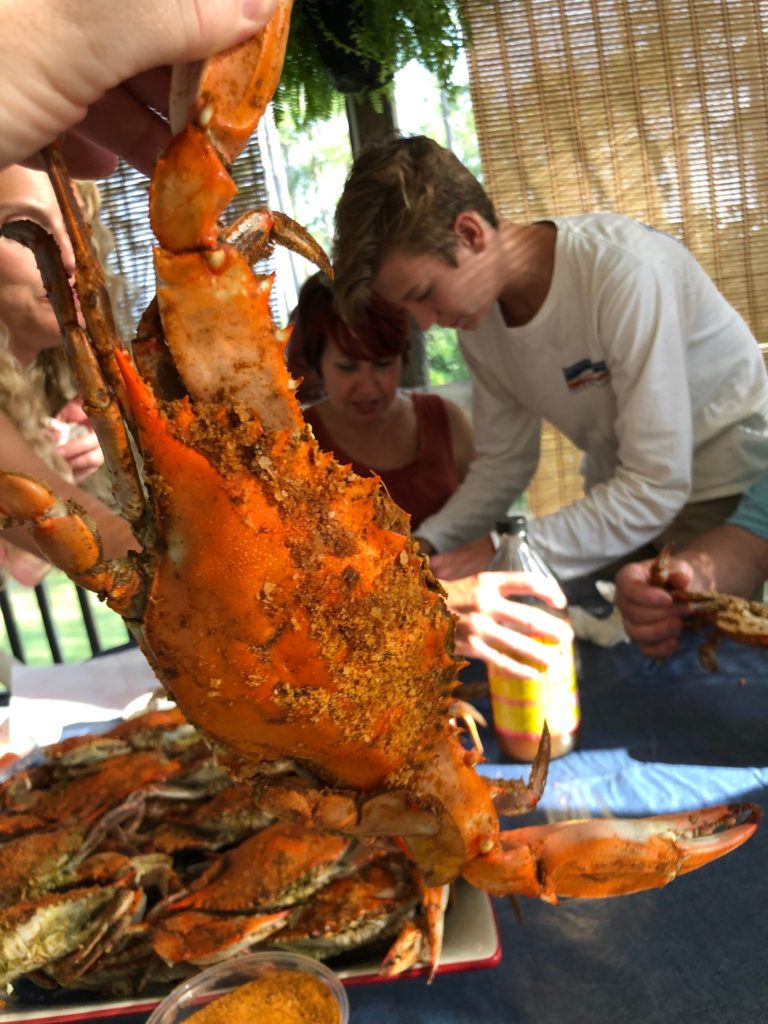
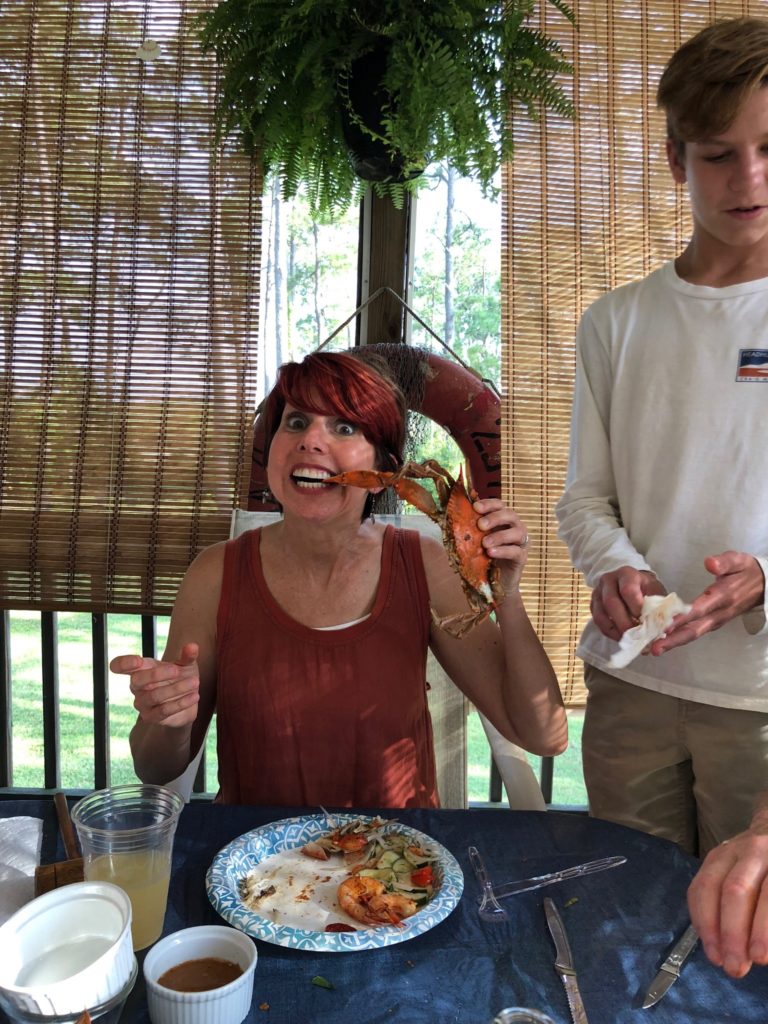
Wedding Eve: Cami’s parents hosted a crab dinner. Denison (Cami’s son) tried to teach me how to dismantle a crab, but eventually he gave up teaching and just fed it to me instead. It was fantastic!

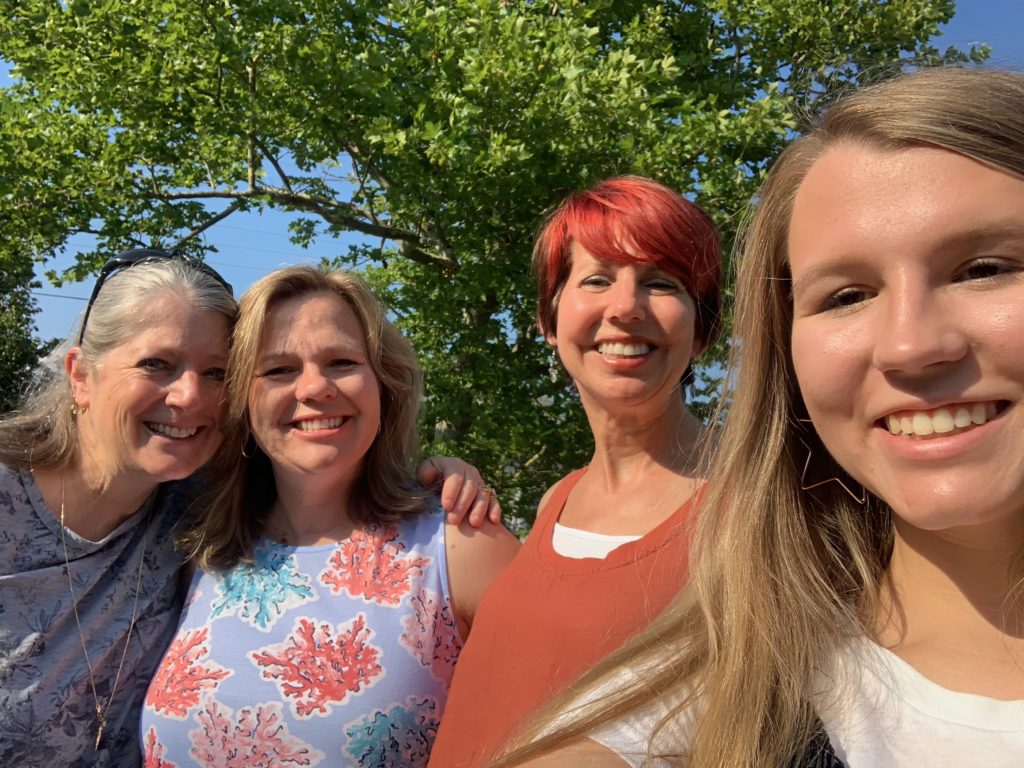
High school besties Tarren, Cami, and me, with Quinn (Cami’s daughter)

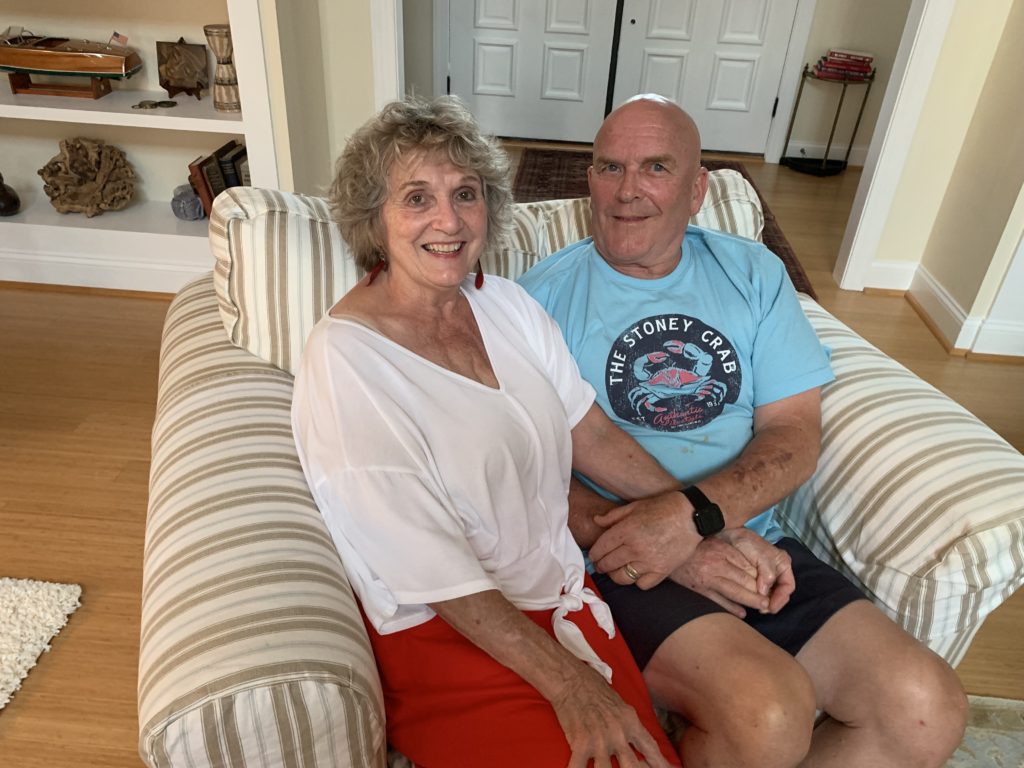
My “other” parents, Diana and Dwight (Cami’s real parents), who lived next door in Germany and supported me through puberty.

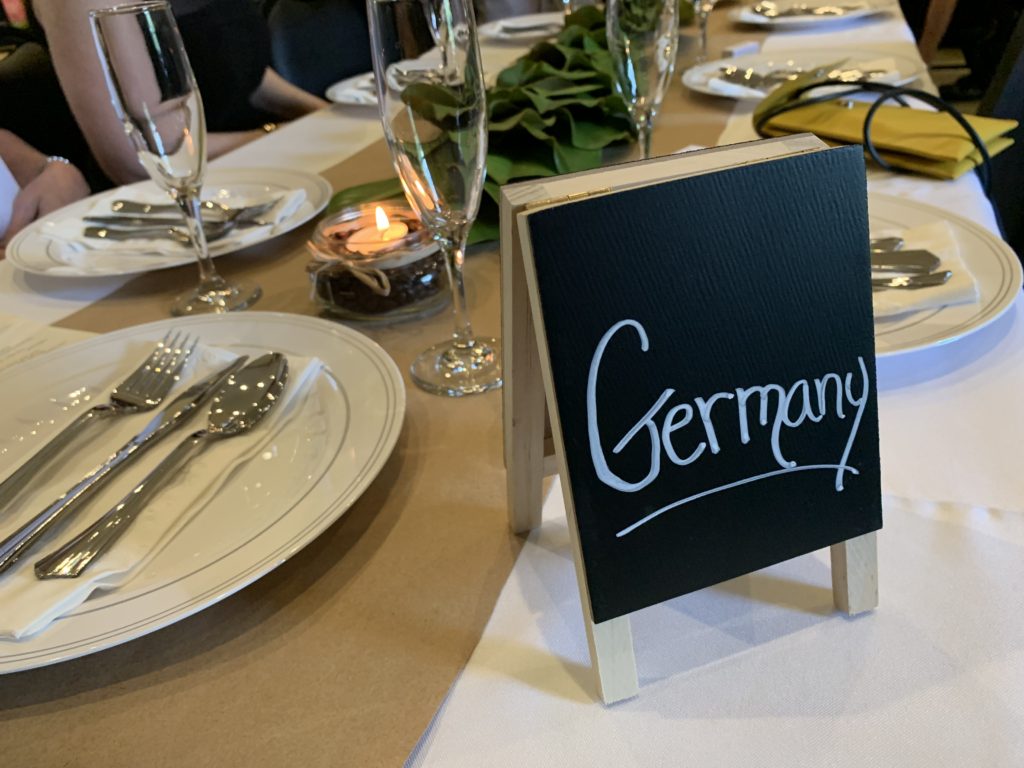
Table at the wedding reception for all of us who attended Mannheim American High School in the 1980s. So fun to see everyone!

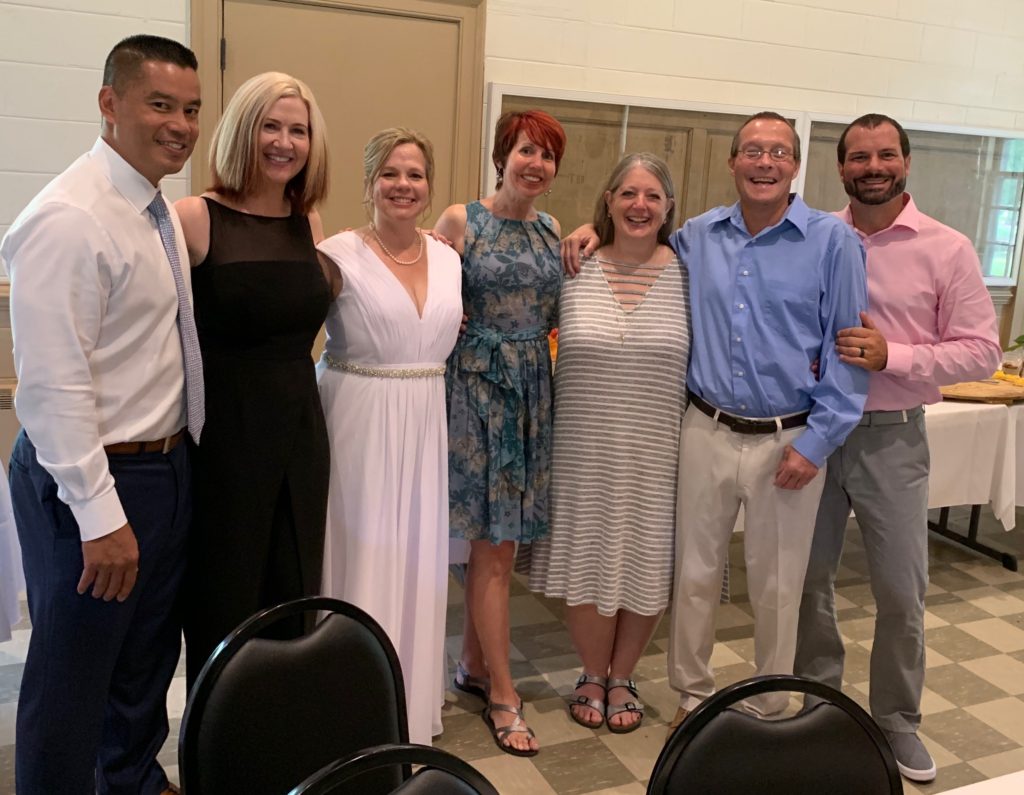
The MHS gang: Vince, Katie, Cami, me, Tarren, and Cami’s brothers – Denny and Jason. None of this would have happened without Vince and Katie, who set up an account on match.com for Cami, despite her protestations. Katie screened potential “matches” and convinced Cami to give Mark a chance. One date, and Cami was hooked!

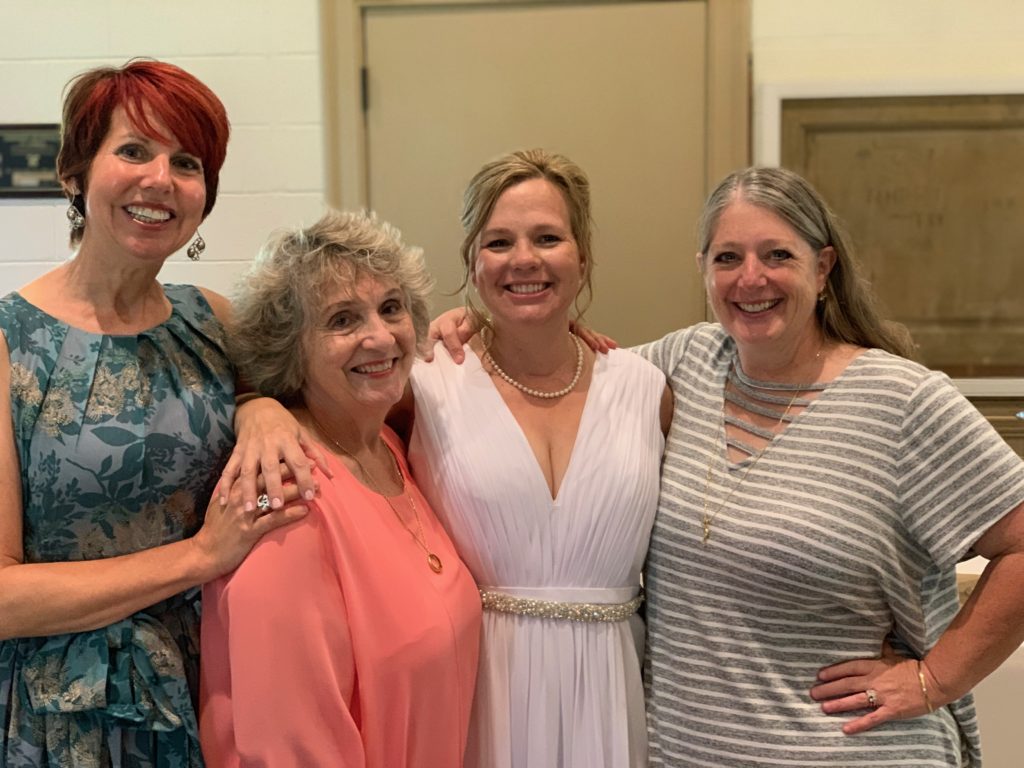
Me, Diana, the bride, and Tarren.

Mark, Quinn, Cami, and Denison. They are lucky kids to get such a great step-dad!

frolicking with family in florida

For the second year in a row, we’re not spending the summer in Lake Orion, Michigan. It’s weird. For 10 years, we traveled from wherever we lived at the time – Laos, India, Chile – to meet up with my extended family at our lake house. We poured thousands of dollars into updating and renovating. We lit flares, watched fireworks, and otherwise reveled in the lake culture at the Fourth of July. We sat on the grass while the kids waded, snorkeled, collected little shells, jumped off the dock, and eventually grew big enough to kayak around the island.

Now, life has taken us in a new direction. Our house is on the market. Check it out here.

And we have a new rental property in Florida. Check it out here.

My parents live just a few houses down the road from our Florida house, and my sister Megan and her family moved to Destin, a 6-hour drive away. For a family of nomads, it seems Florida is the reunion destination for now.

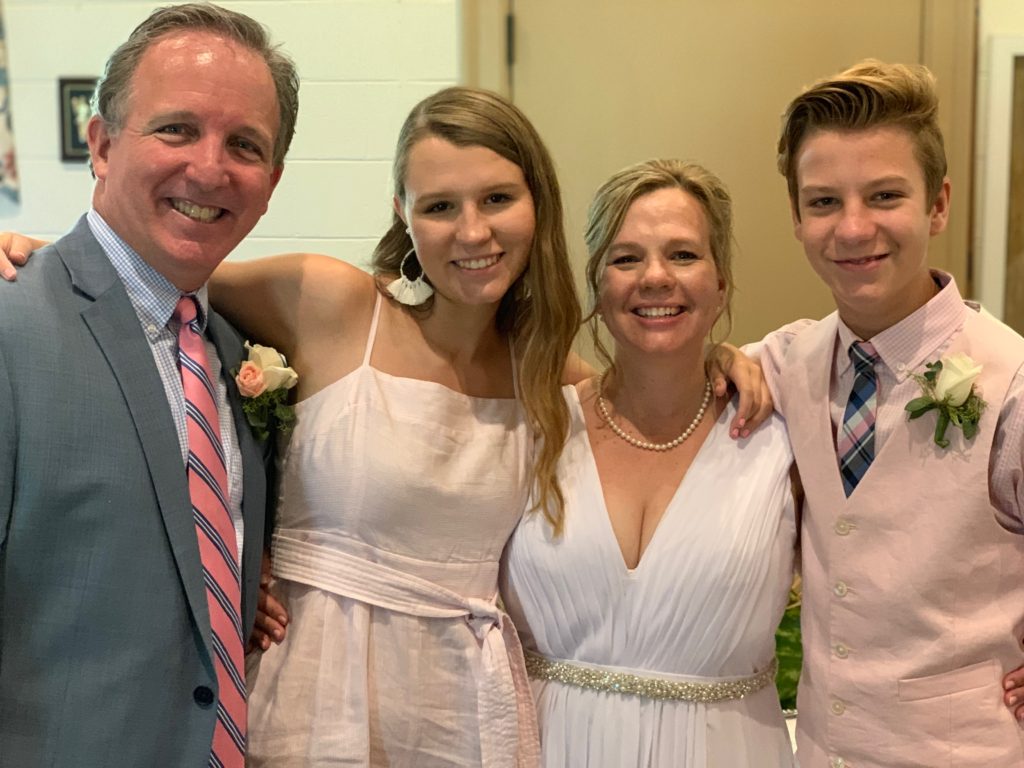
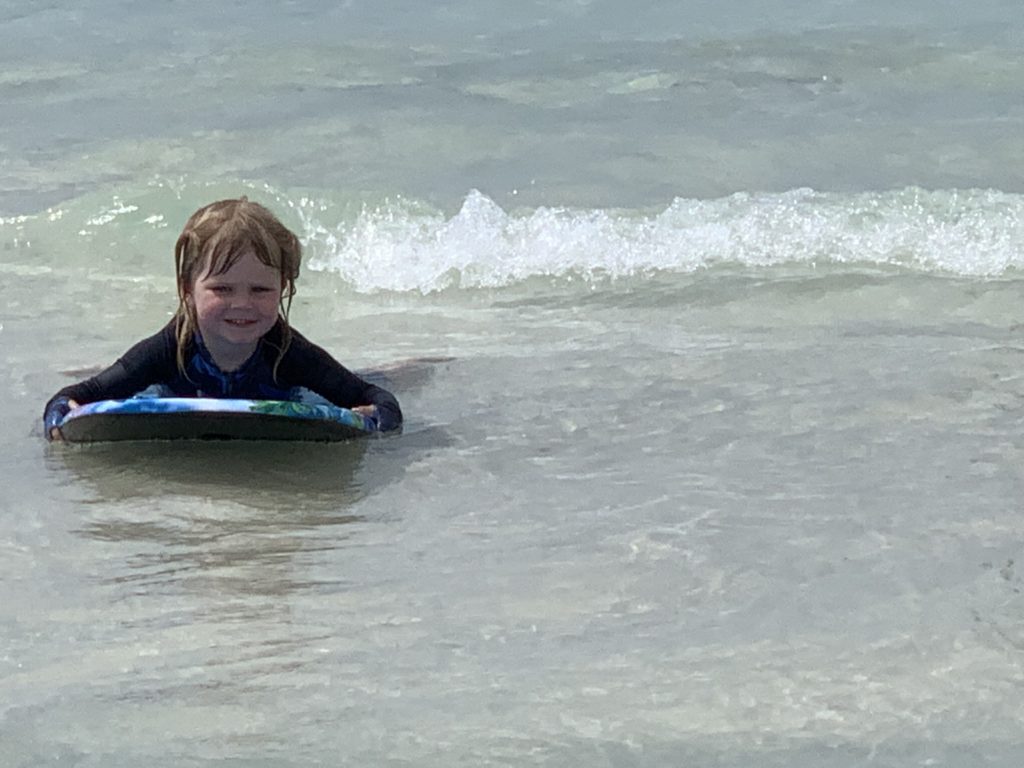
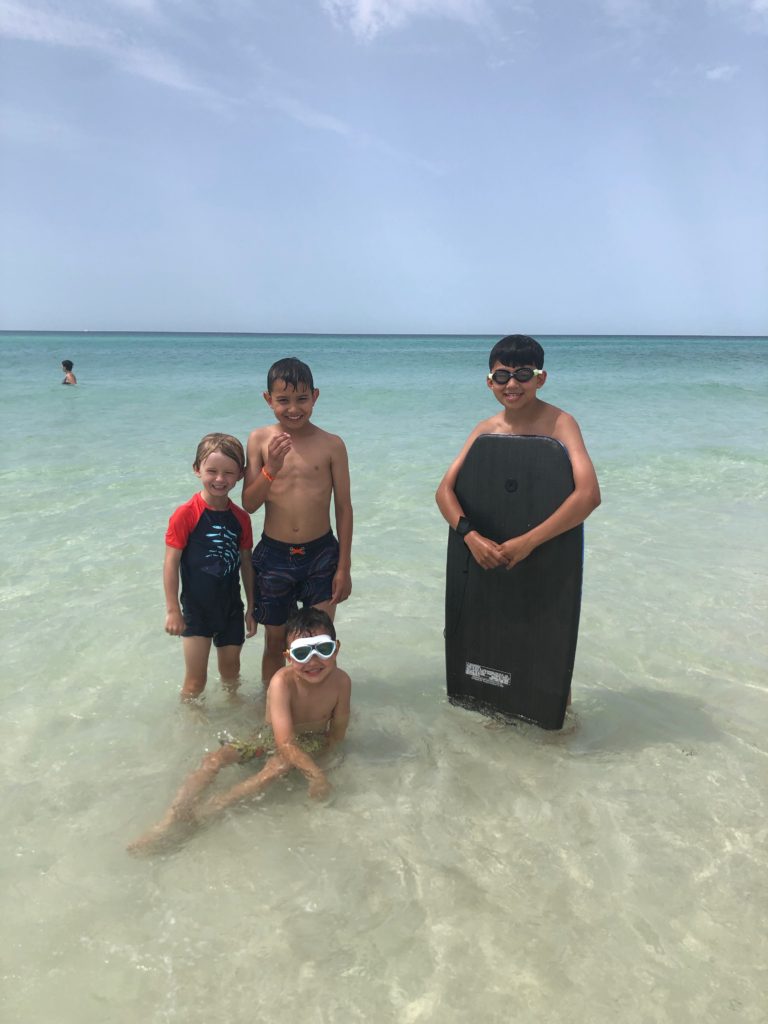
We kicked off our “winter break” from school in Chile with a visit to my sister’s house in Destin. My other sister Kate drove from Michigan with her three boys. We saw “Toy Story 4,” had a perfect beach day, set up the bouncy slide, played Quizlet, and reconnected.


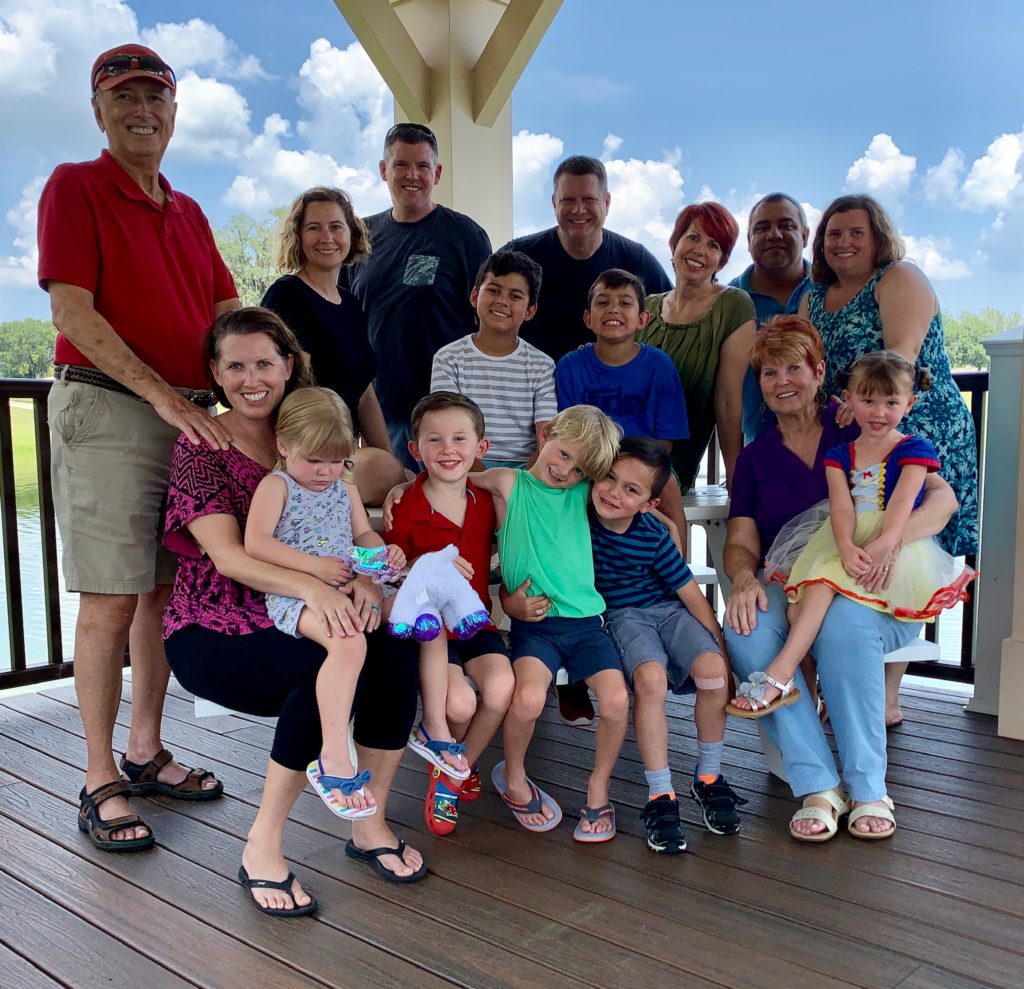
After a few days, we all drove to The Villages to meet up with my parents. My brother, Mike, brought his family from Abu Dhabi, where he and Summer teach at the American Community School. Tony and I had planned to stay at our rental house. We hauled in our bags, unpacked a bit, and then got a message from my property manager saying someone had booked the place. I had forgotten to block the dates! So, we repacked, cleaned, and headed to a hotel.

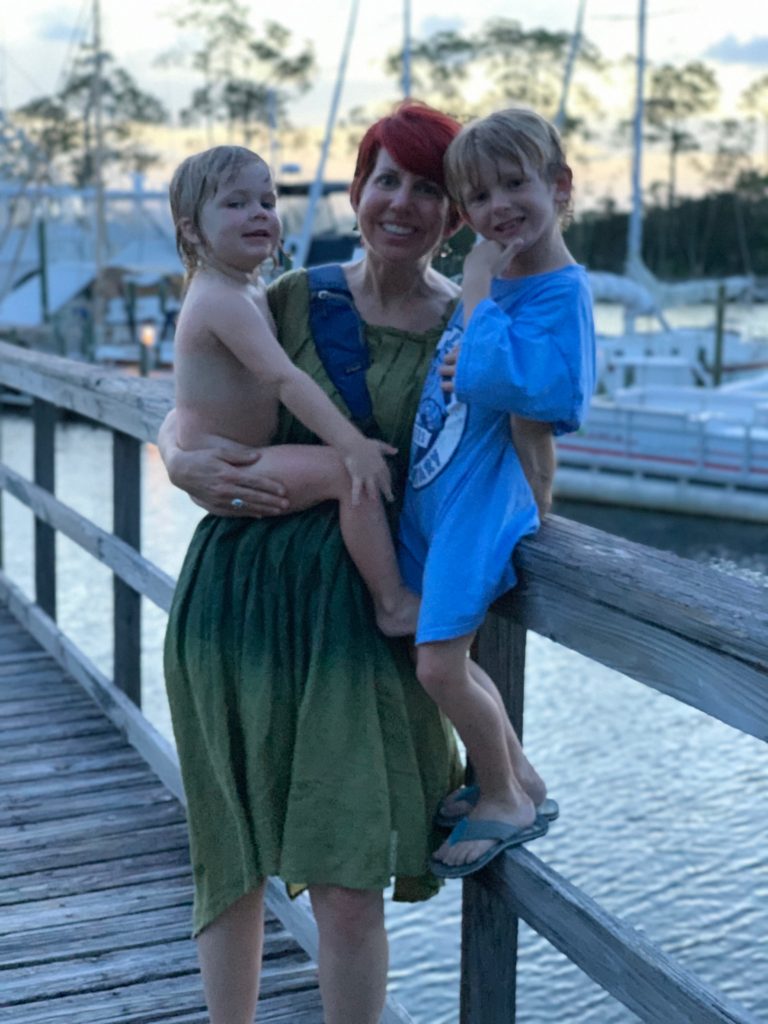
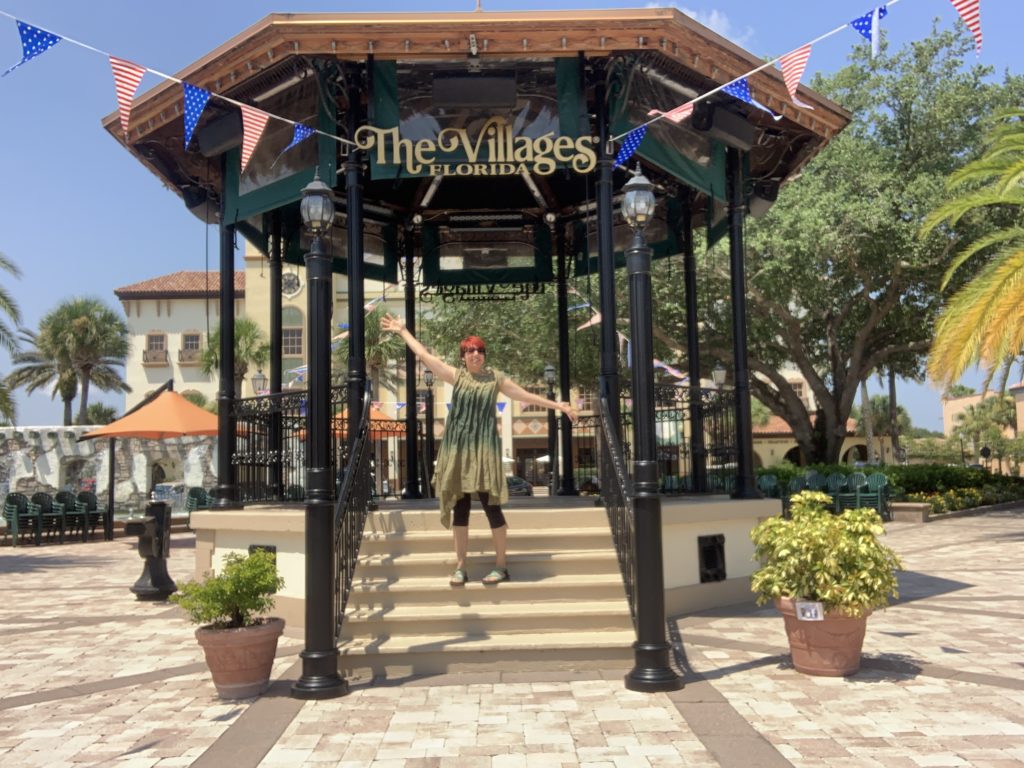
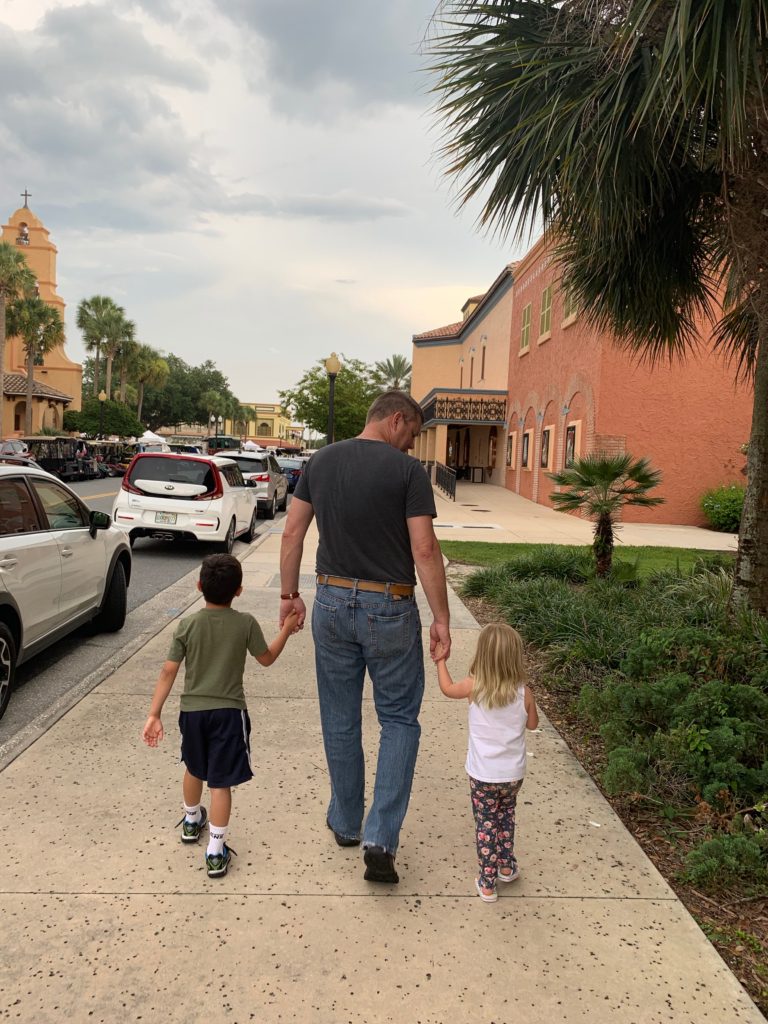
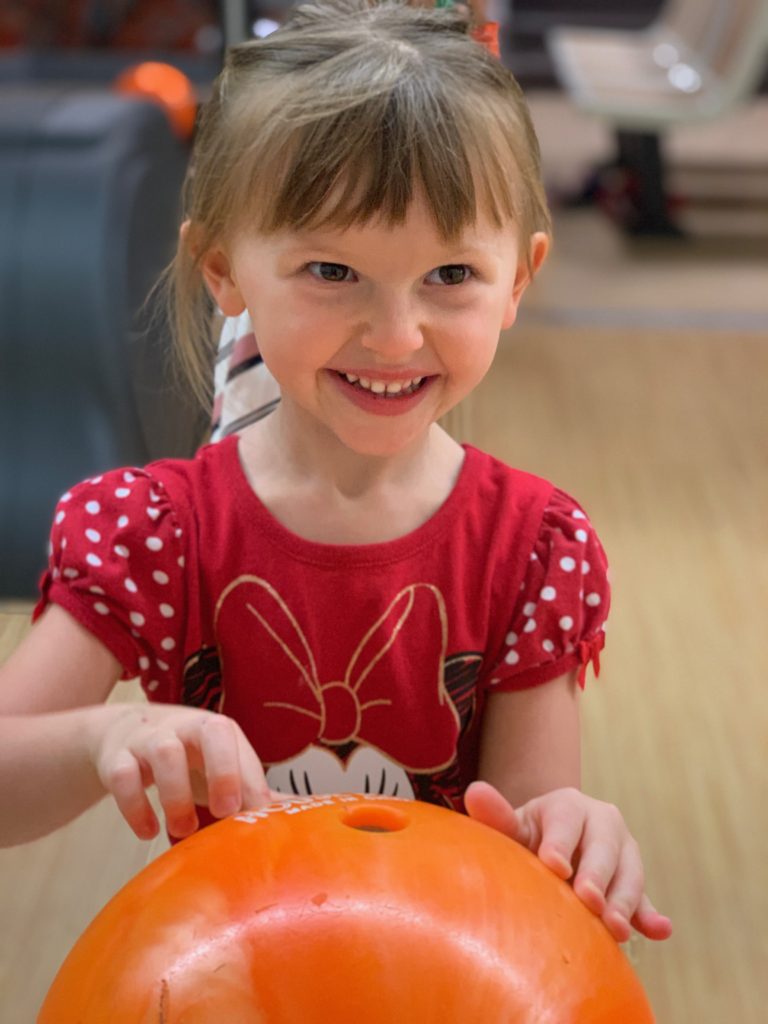
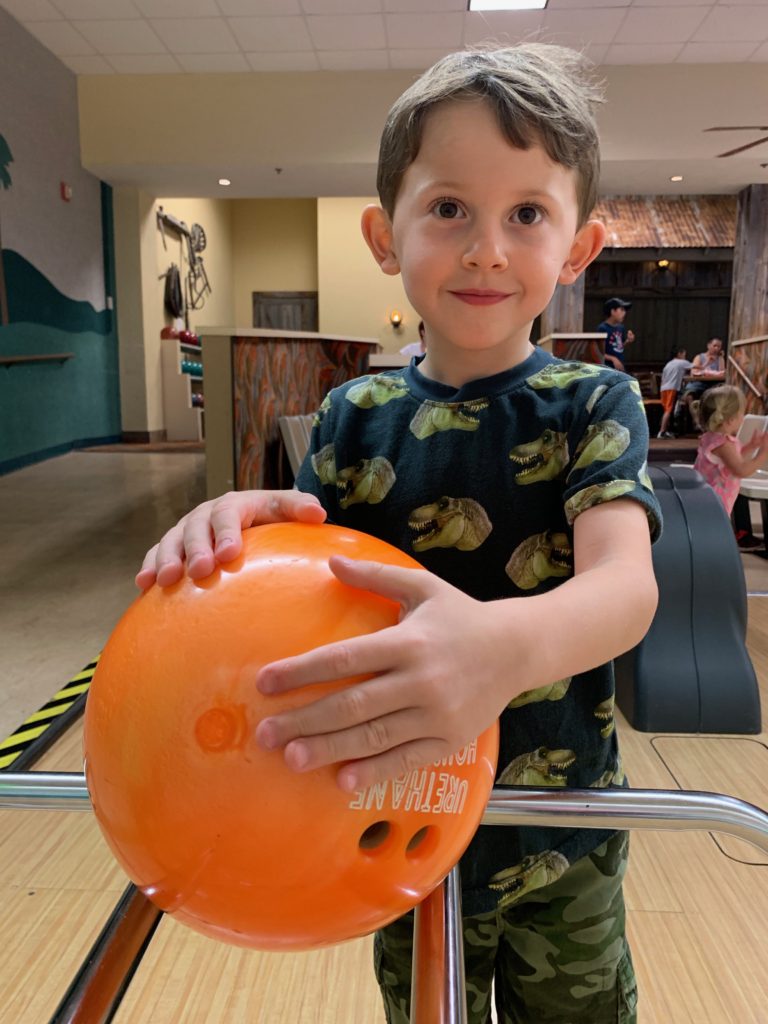
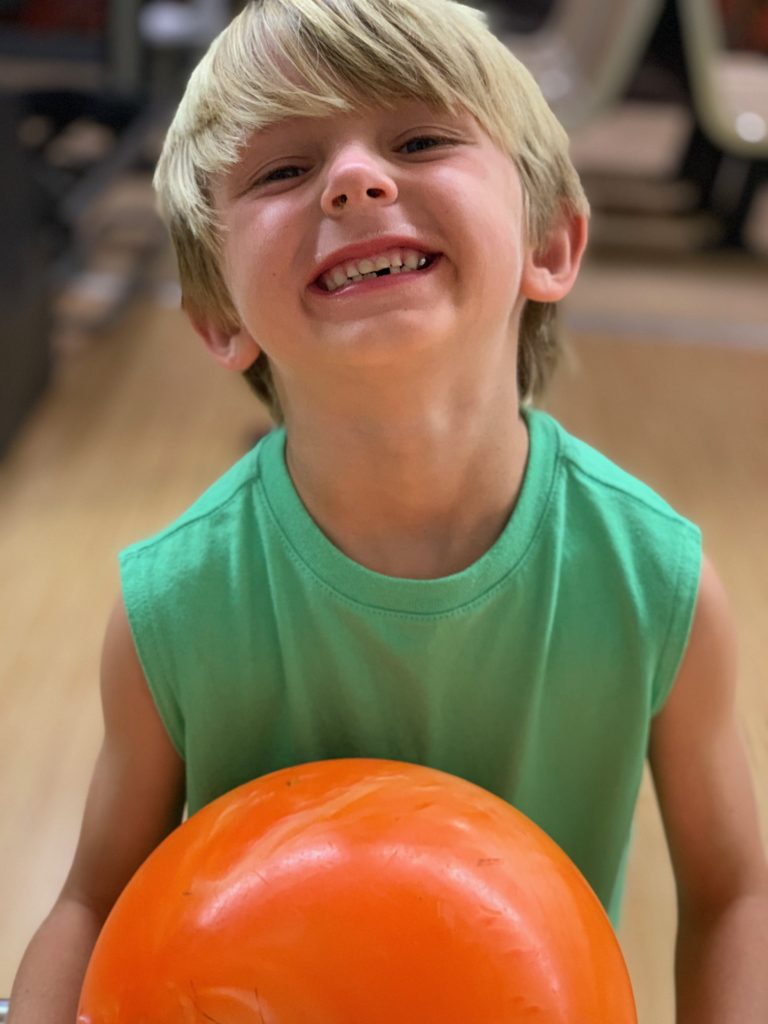
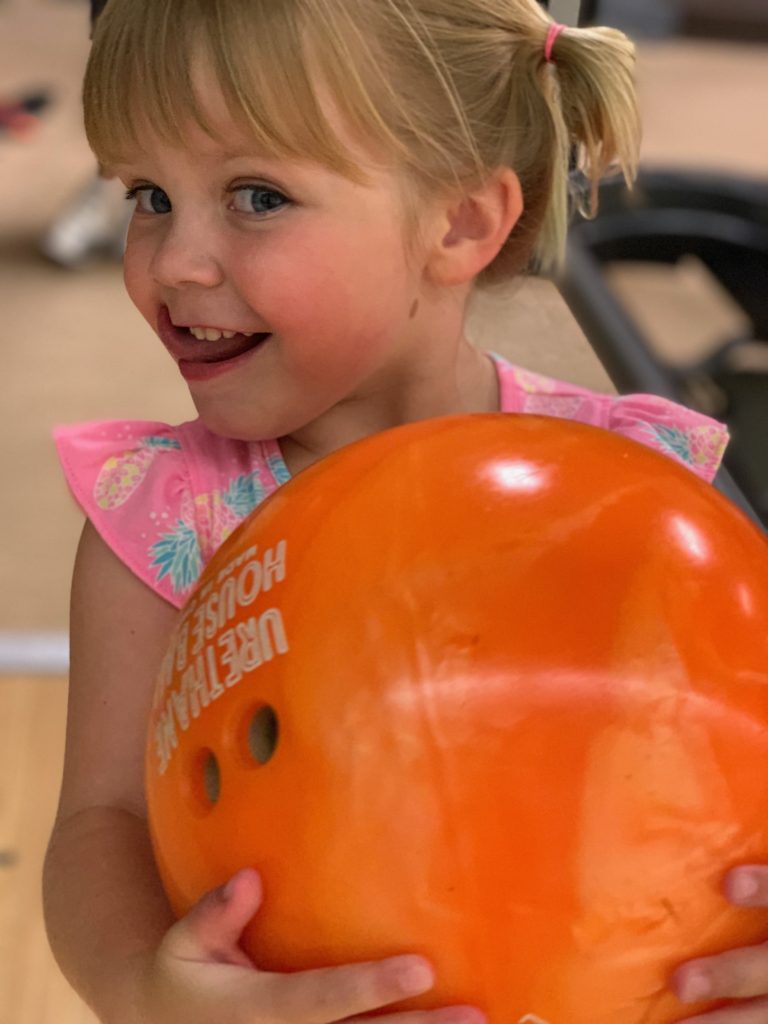
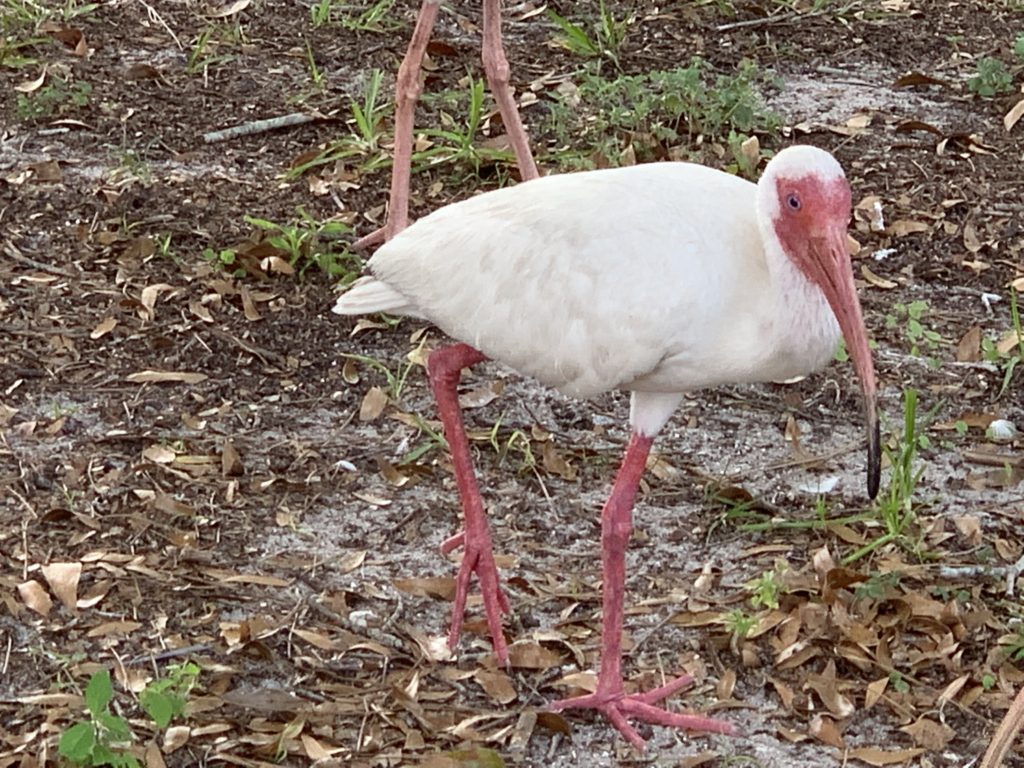
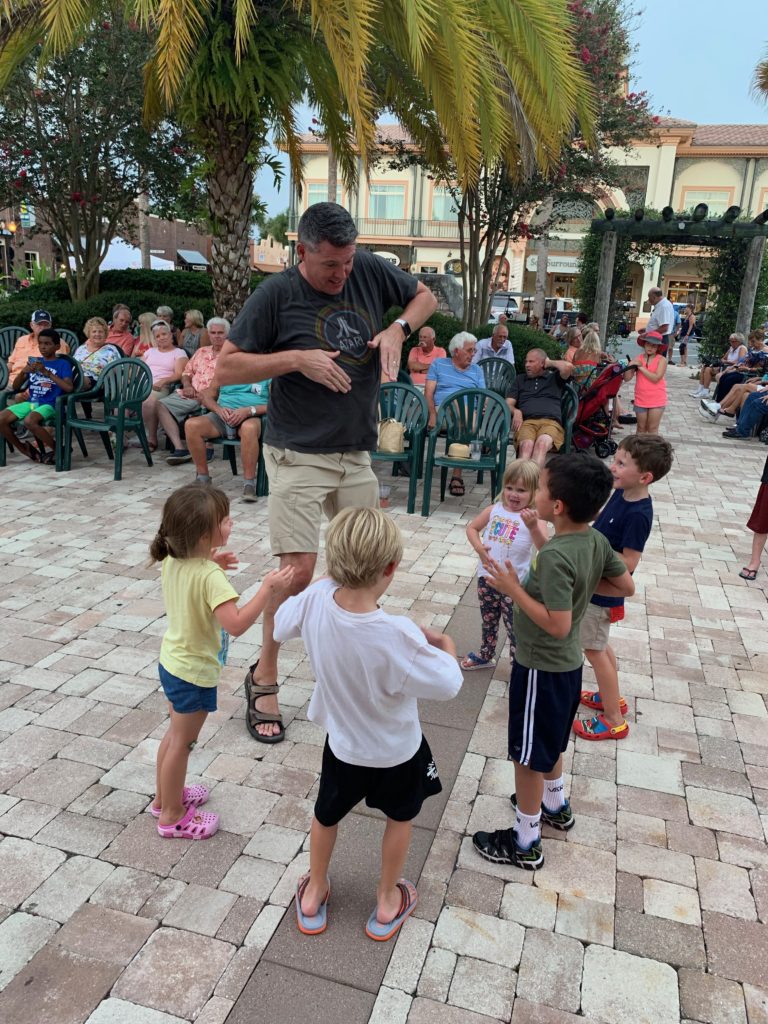
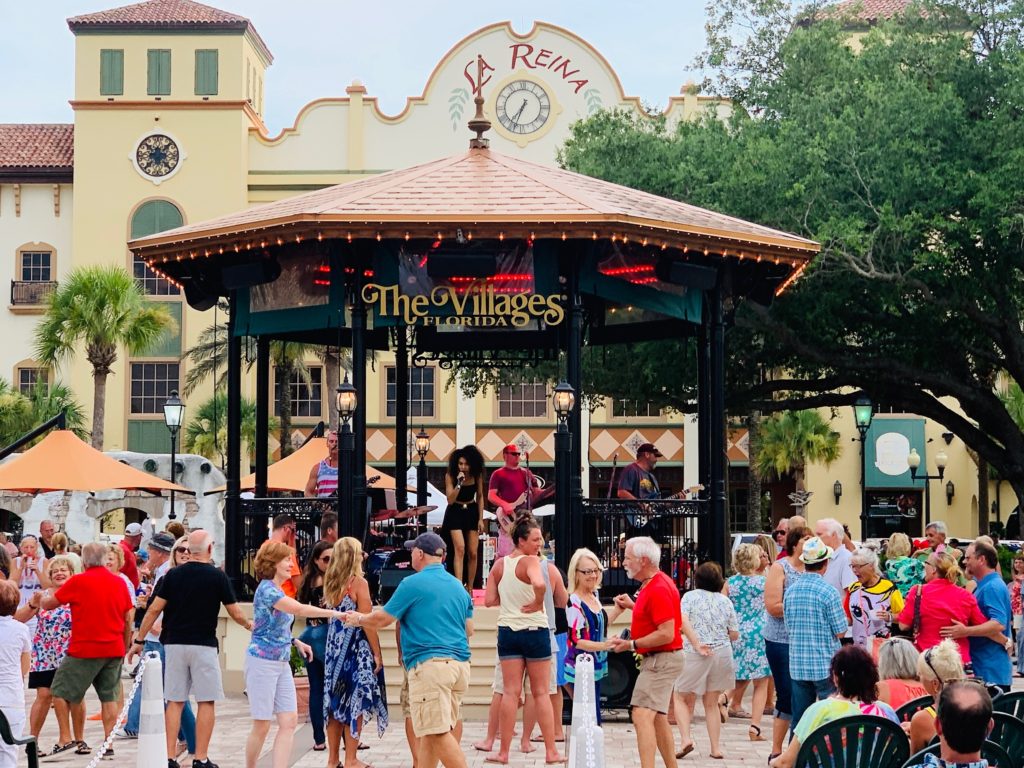
We spent mornings by the hotel pool with all seven kids splashing and playing together. We met up for lunch and dinner and filled the afternoons with hanging out, chatting, watching the wildlife in my parents’ backyard, playing, and bowling. Dancing in the Spanish Springs town square in the evening is always a hoot with these little guys!

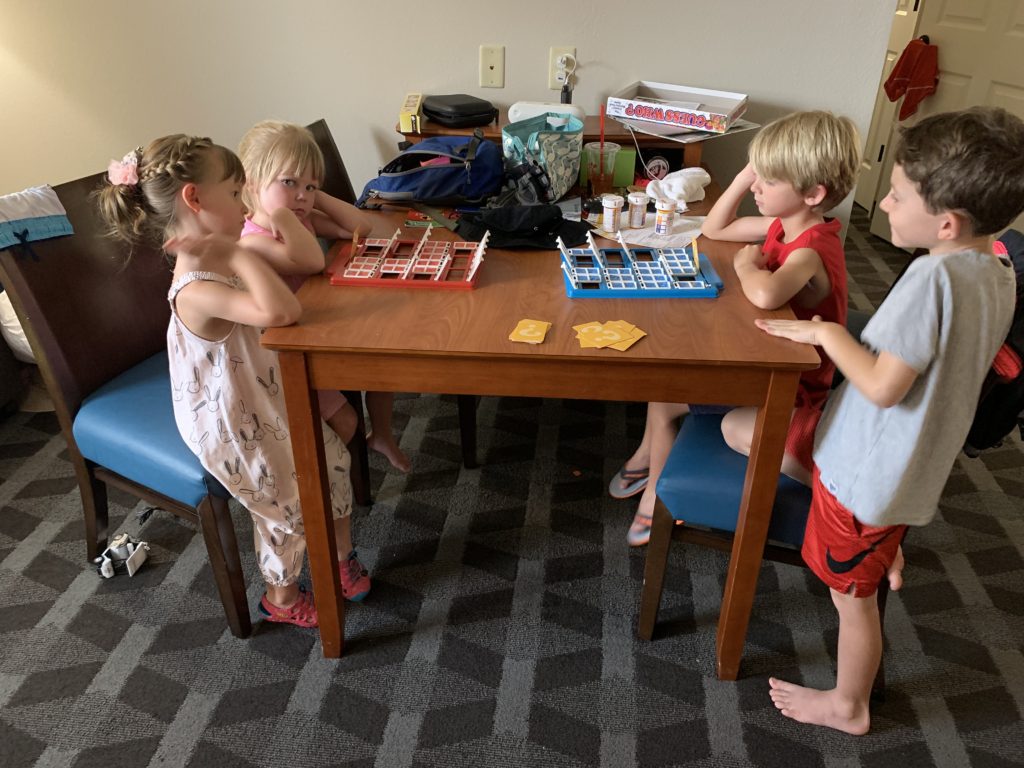
Cousins playing Guess Who?
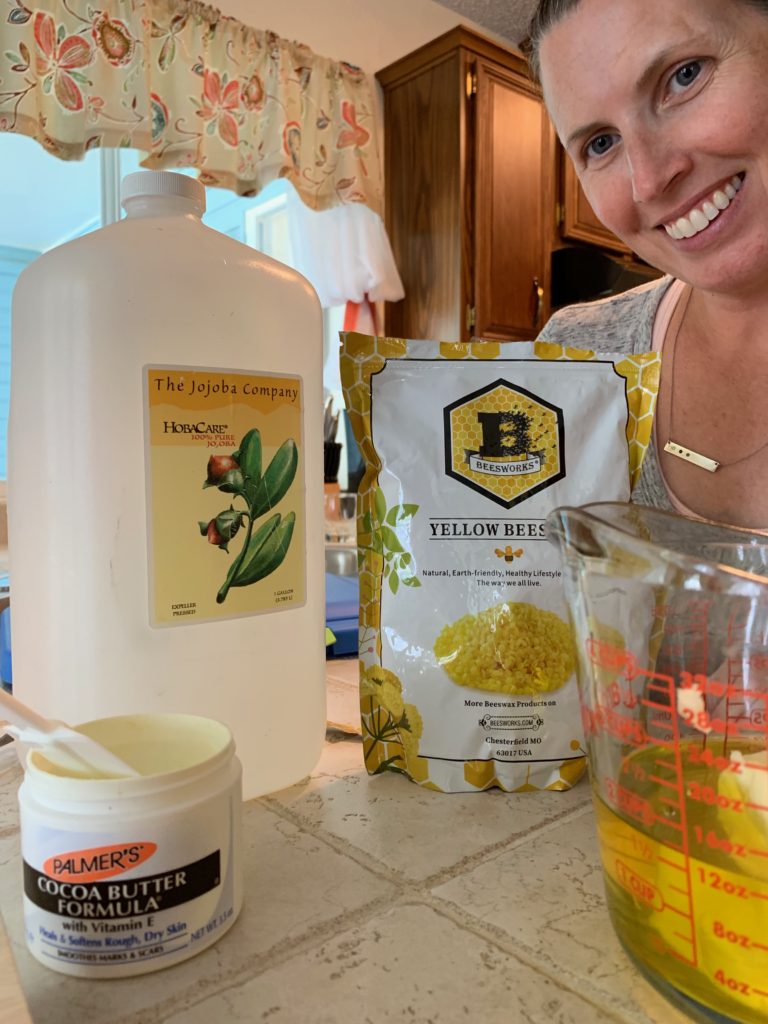
Megan taught me how to make DIY beauty products.
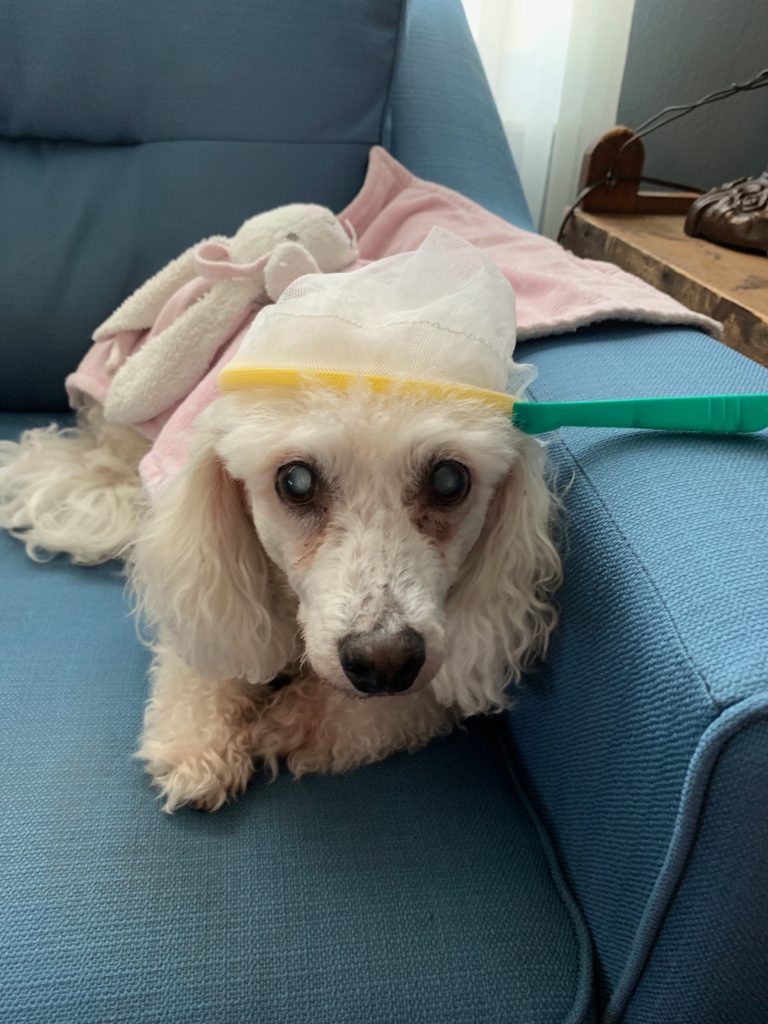
Poor Buddy. So much love from so many small people.
Tony with Jack and Annesley.
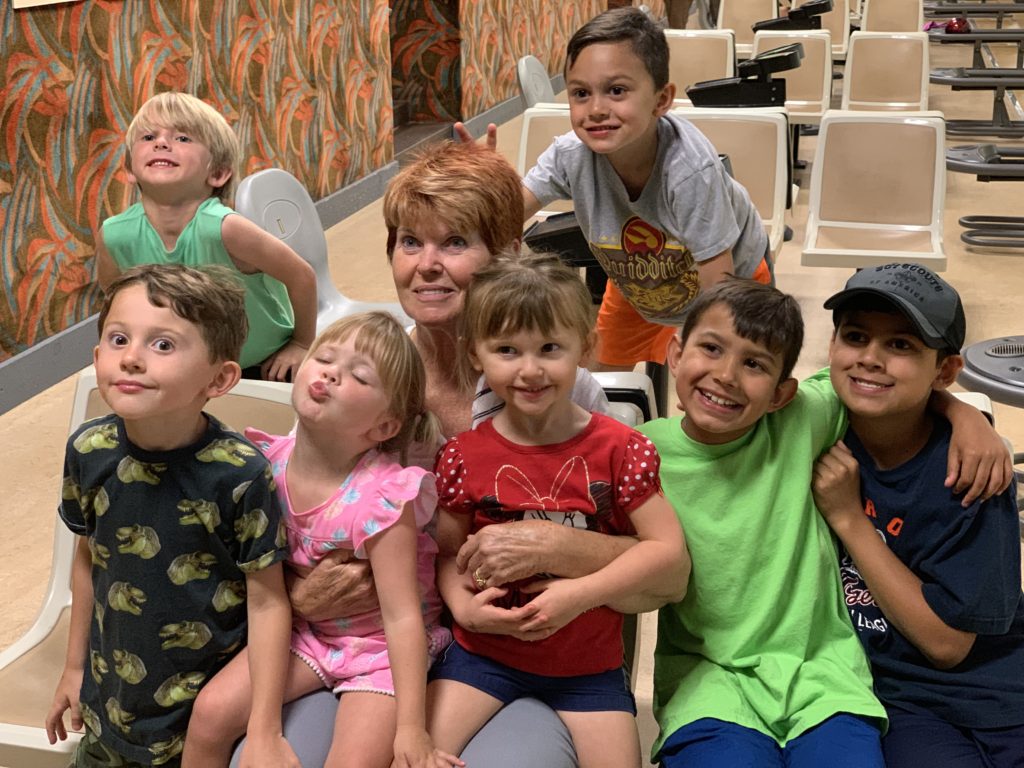
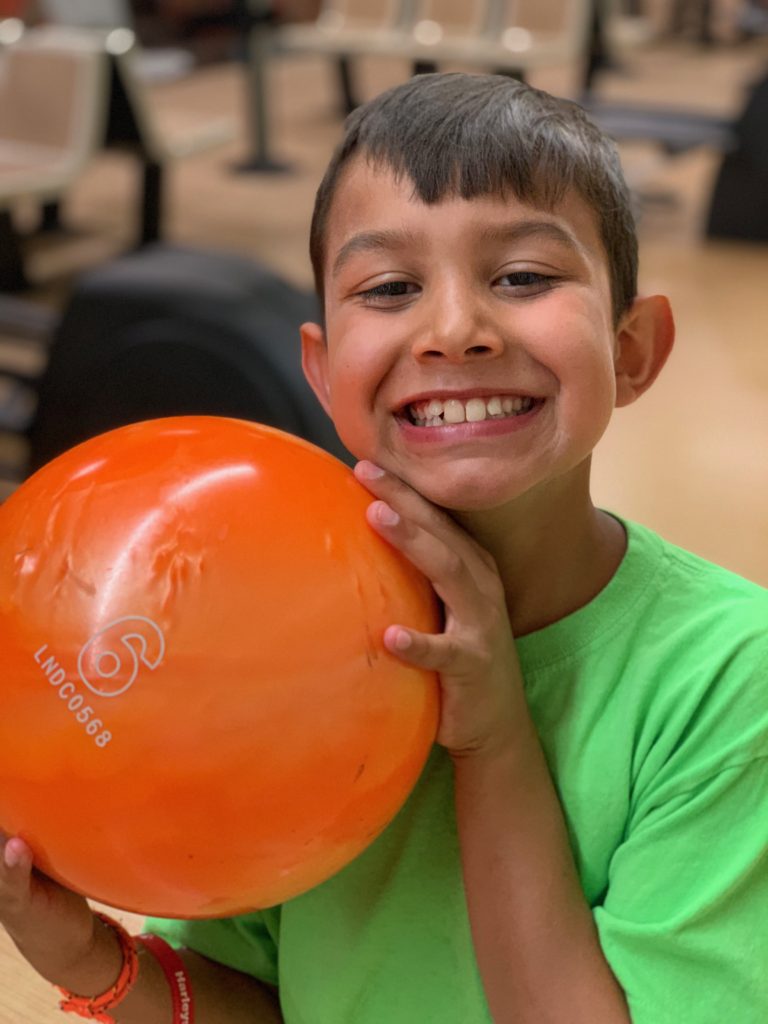
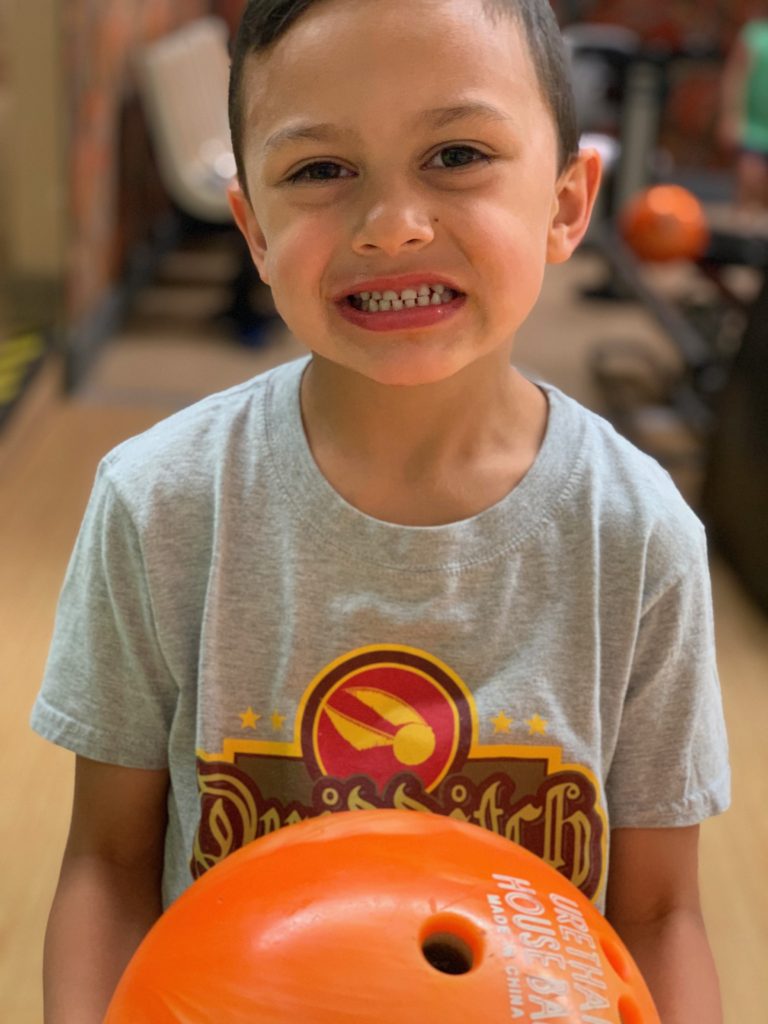
Goofballs at the bowling alley.

So much laughter! I’ll miss you all …

Day Trip: SANTA RITA WINERY

Catching up … post from June.

As the school year wraps up, I know to anticipate one thing. Tony is off limits. He will either be (a) writing exams or (b) grading exams. And he is disinclined to give up weekend time when those tasks are looming over him.

Knowing that I know that, he generously threw me a bone at the end of May, before life got too hectic. Imagine my shock when he asked, “Want to take a day trip somewhere, maybe to a winery?” Ummm … OK? He even picked the winery: Santa Rita, less than an hour’s drive from Santiago.

Never mind that Santa Rita is the brand preferred by the homeless man who hangs out at our neighborhood supermarket, chugging wine from a tetrapack. I was just happy to get away!

We took our friends Stella and Ian, and I figured we’d be the only ones there. It was autumn in Chile, after all. Not peak season. Unfortunately, there was a huge group of cackley tourists. Funny how I like to BE the cackley tourist, but I don’t like to be AROUND the cackley tourists.

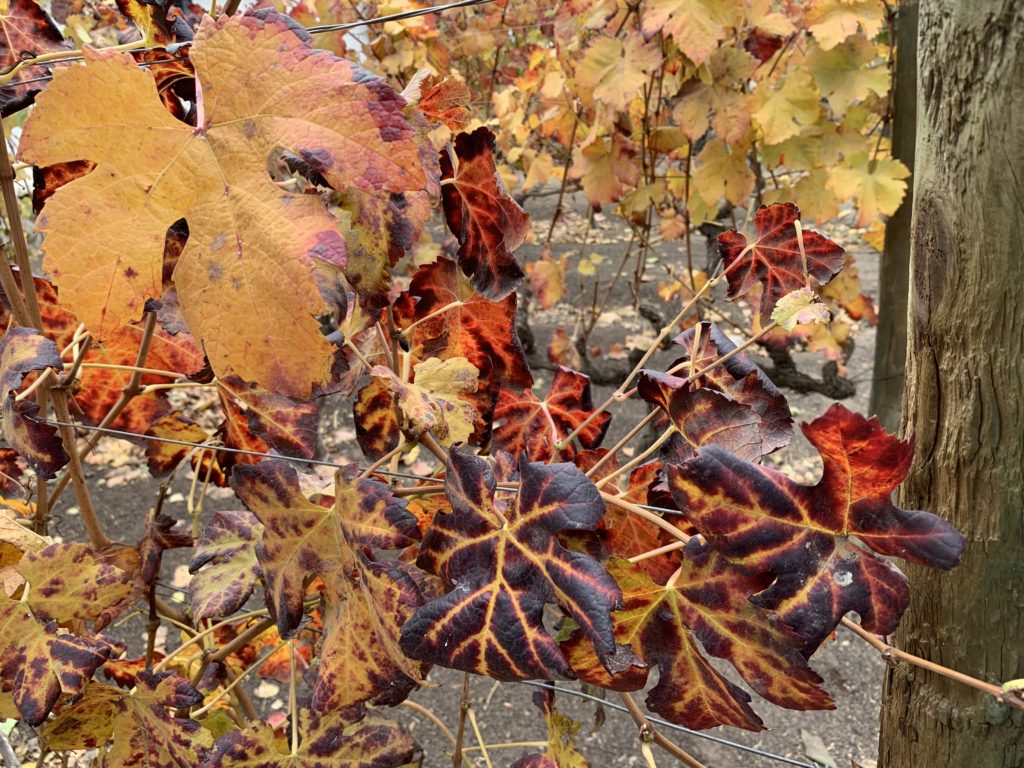
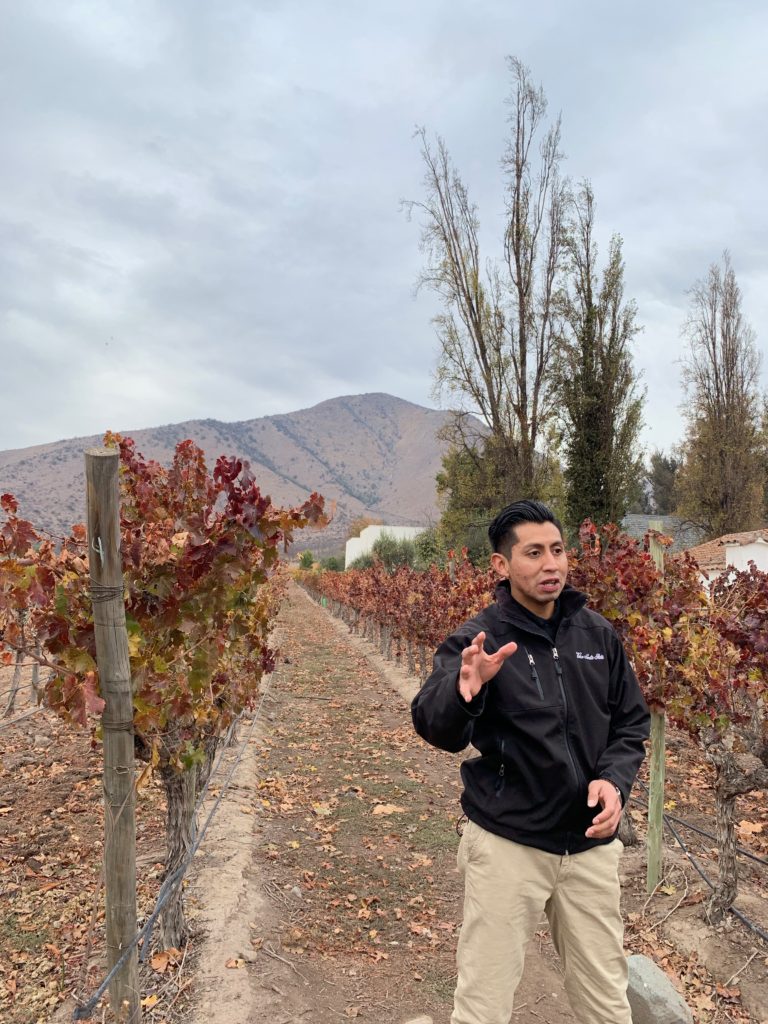
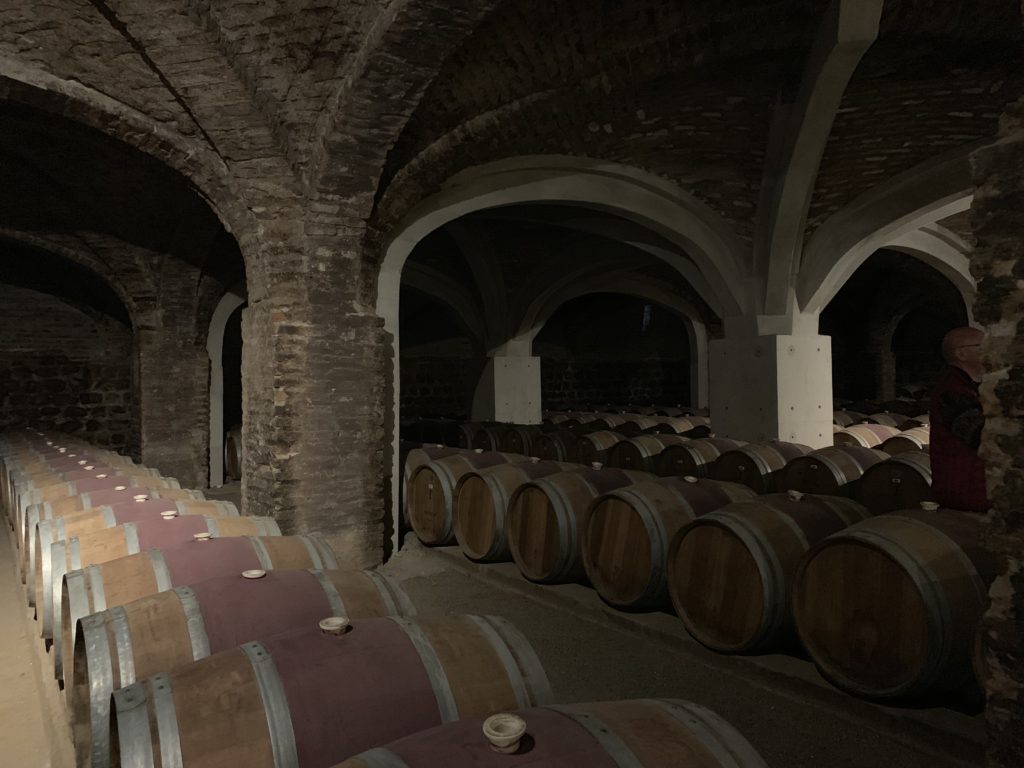
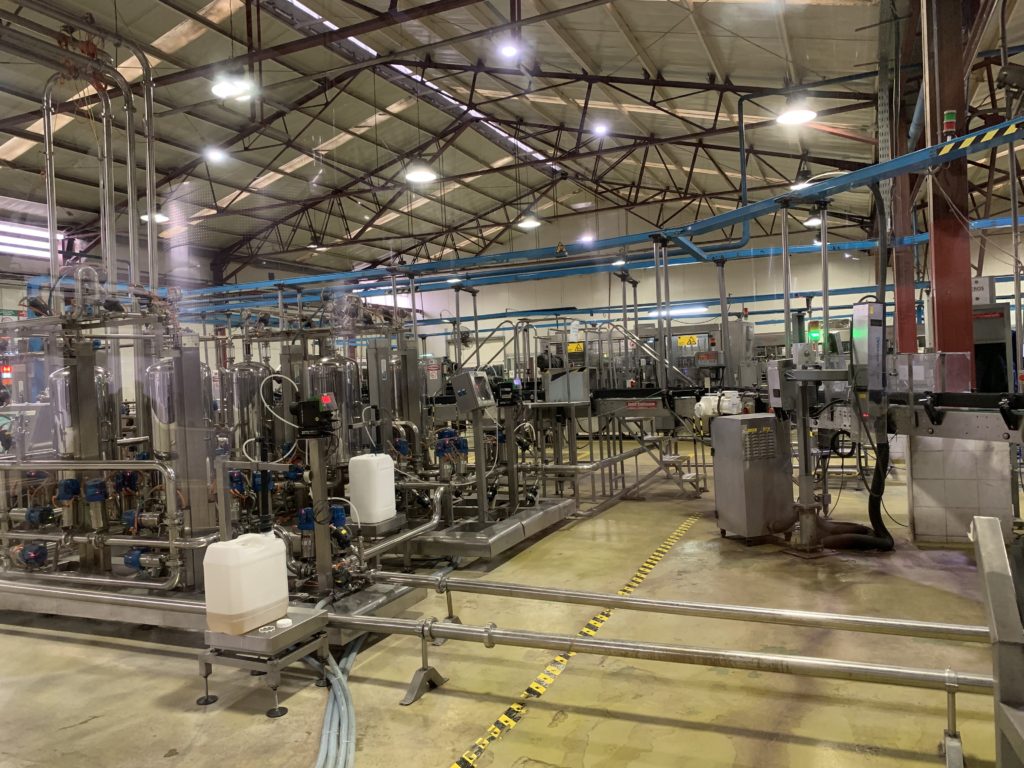
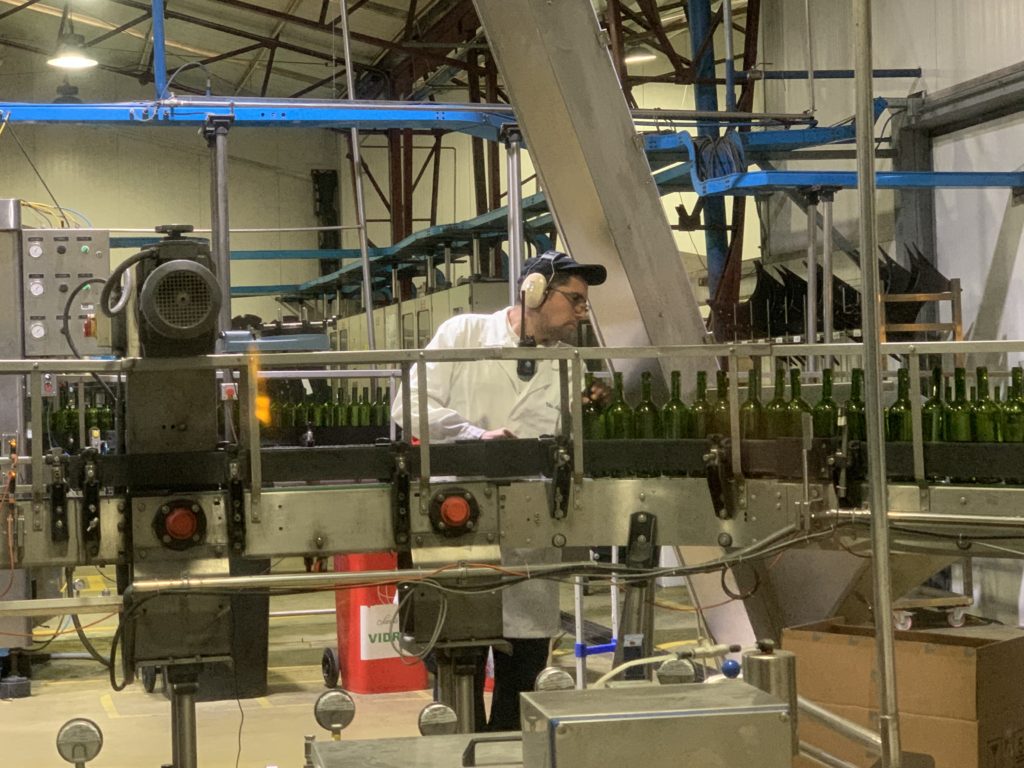
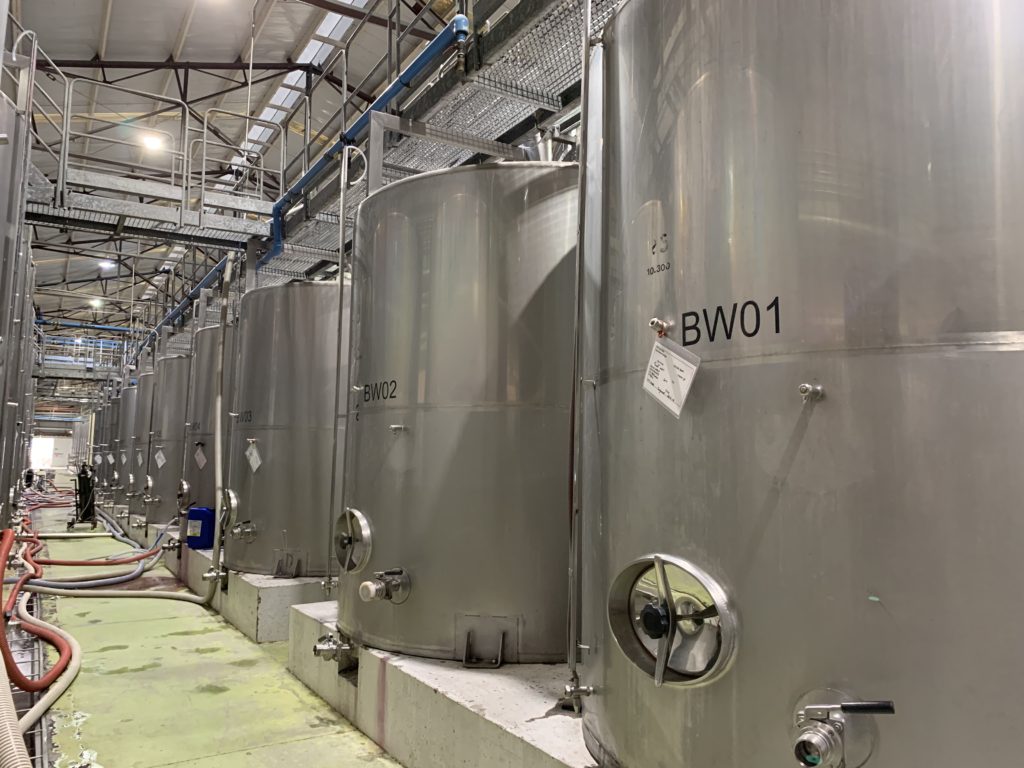
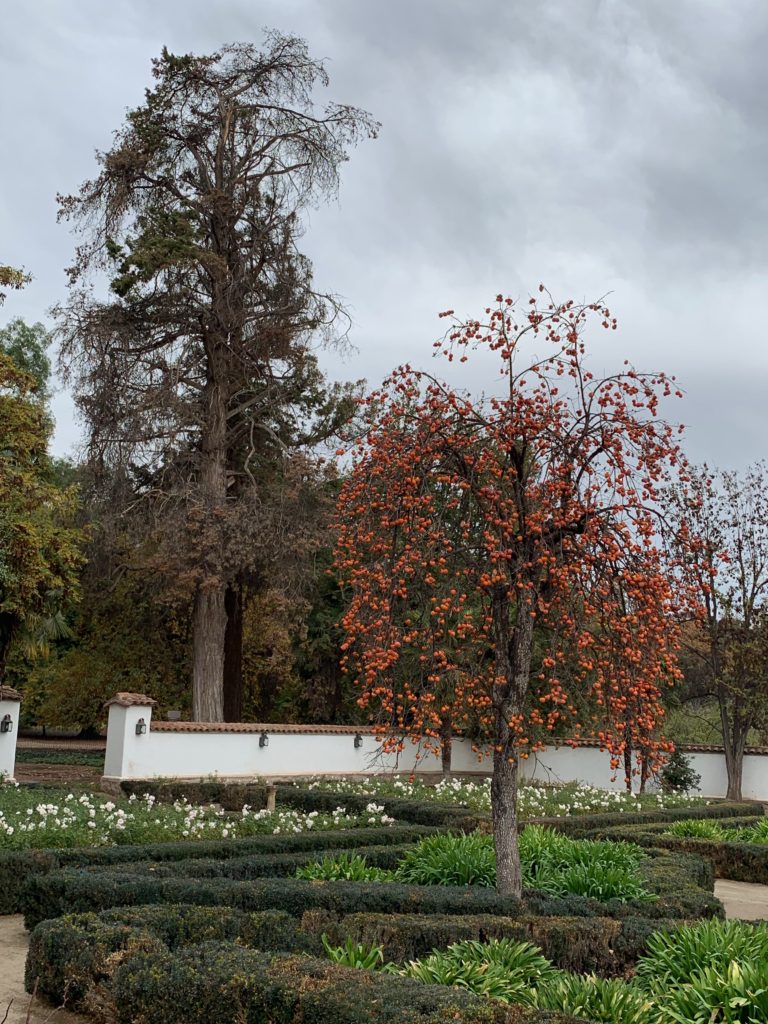
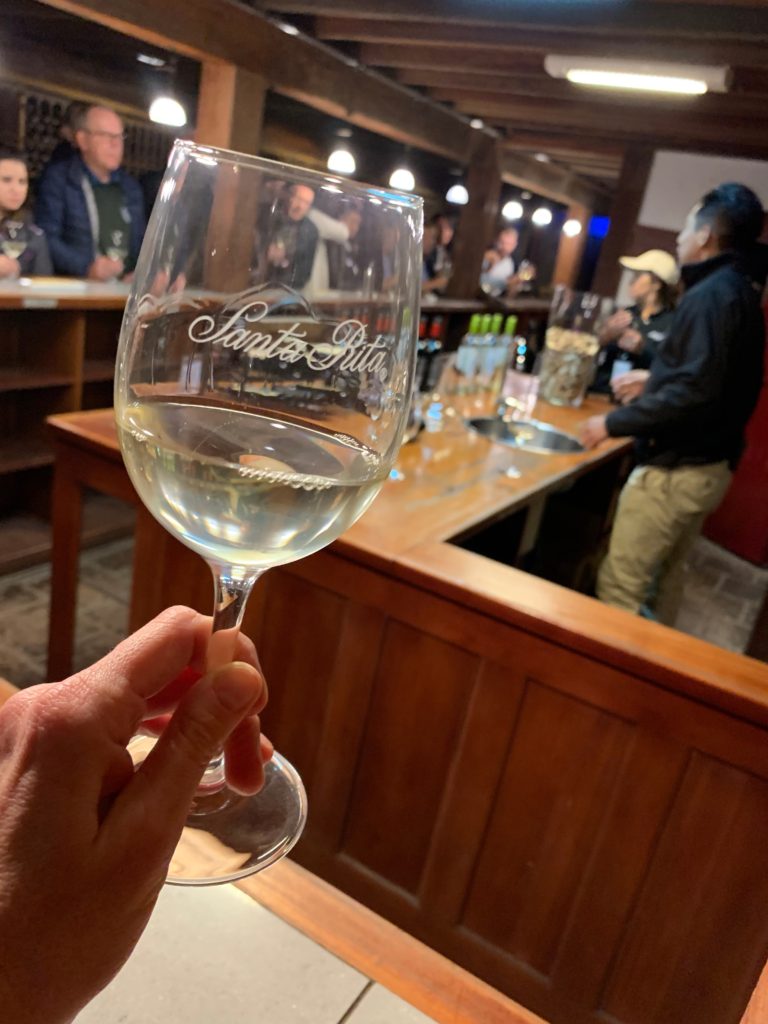
The tour was pretty standard. Quick introduction to the winery with a peek at the vines. Visit to one of the cellars. View of the bottling area. And then a wine tasting. There was an additional attraction: a cheesy little video with spotlights on mannequins reenacting a key event in the winery’s history.

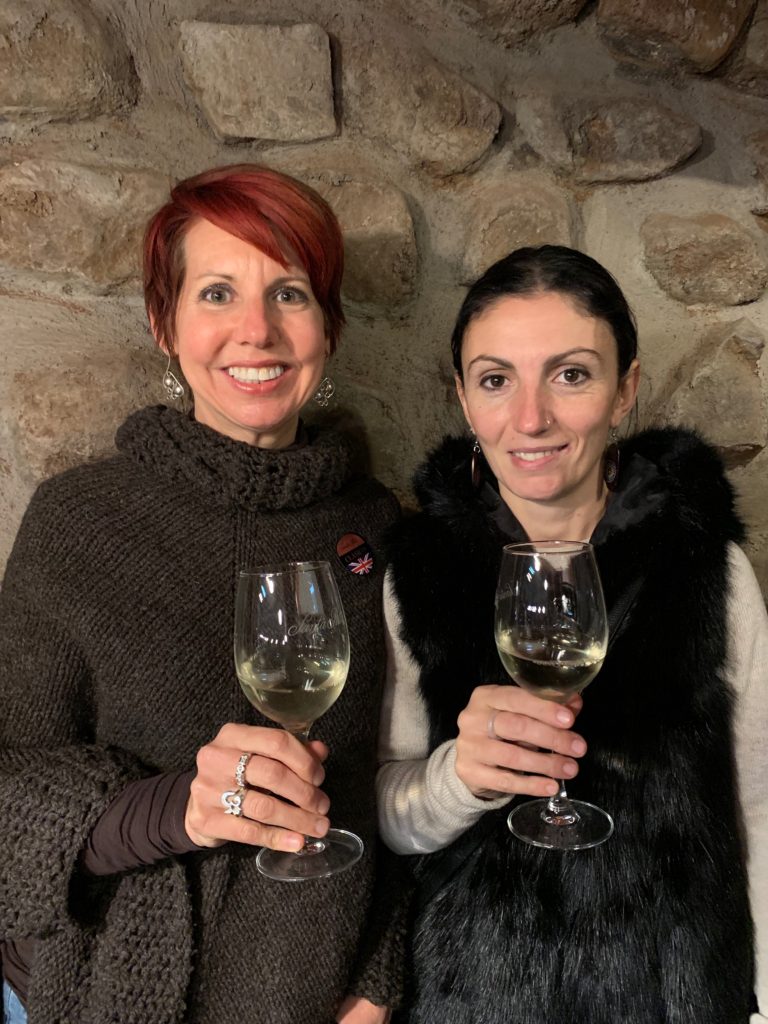
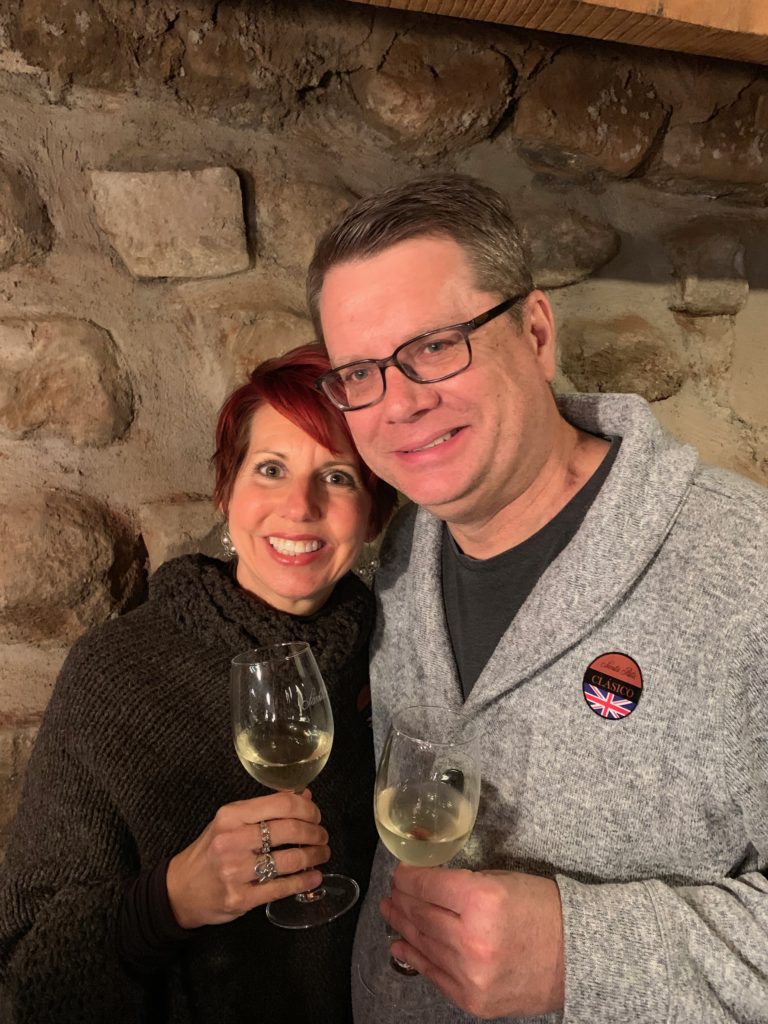
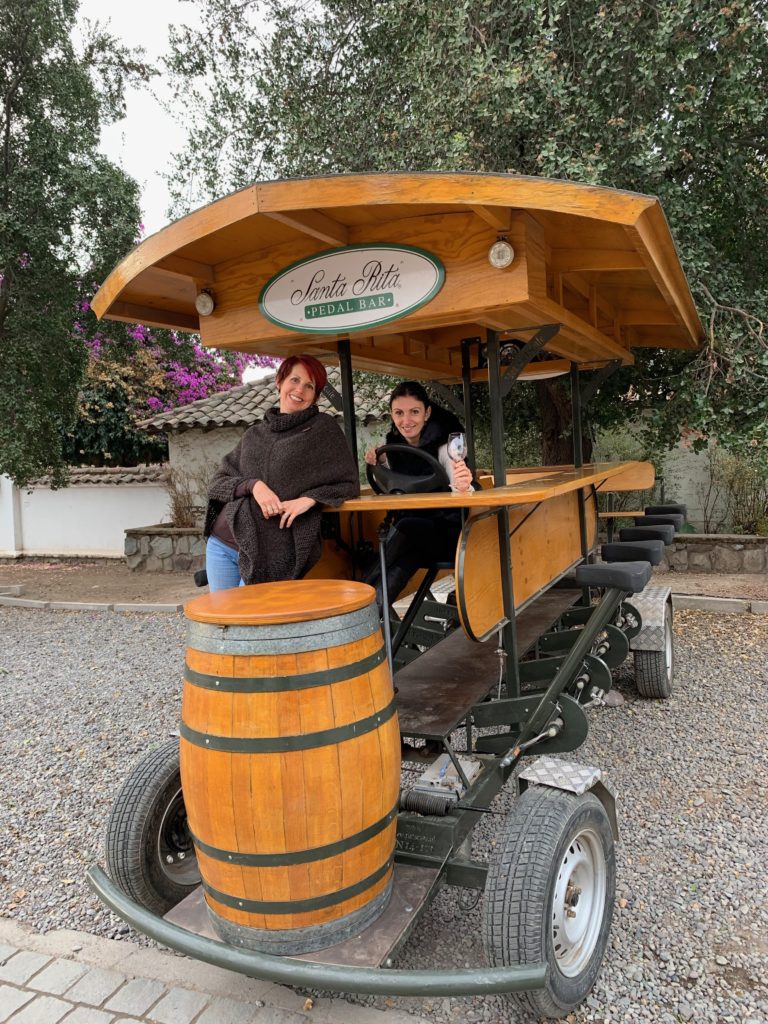
Stella and I were especially excited to take the pedal bar tour, but unfortunately, our timing was off. We missed the tour, but jumped aboard for a photo.

Santa Rita may not be my favorite wine, but I love living in a country with a wine culture. How cool is it that we can just pop over to a winery for the day? So many wineries, so little time …

building some mad skillz on the domestic front

Catching up … May and June happenings.

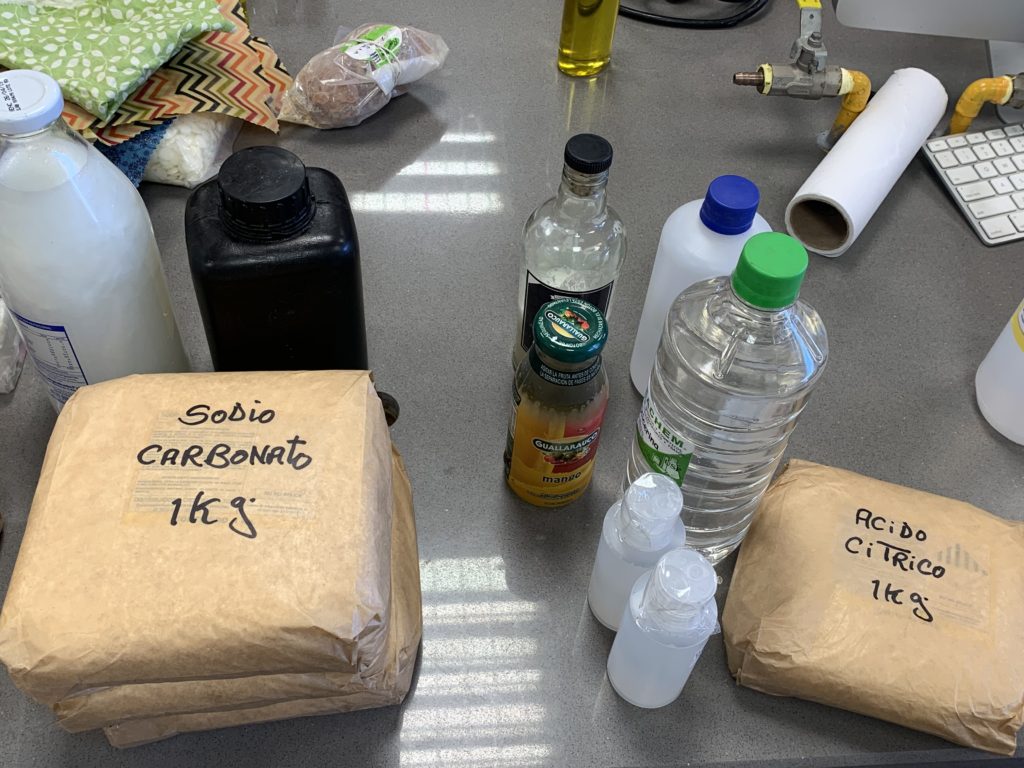
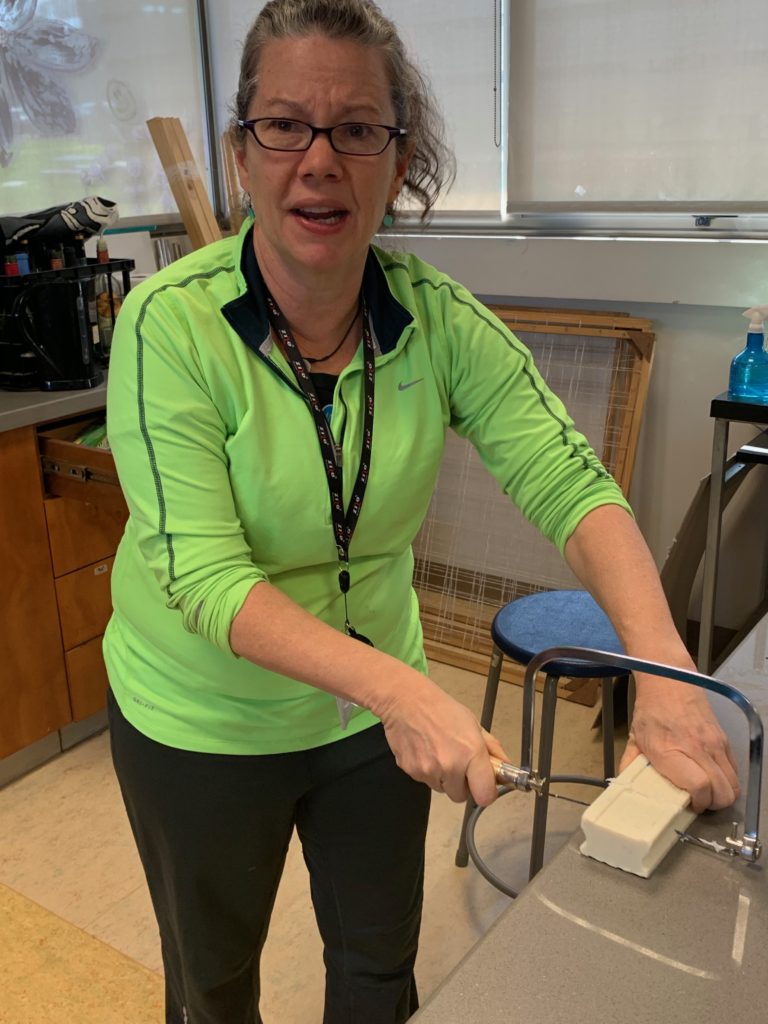
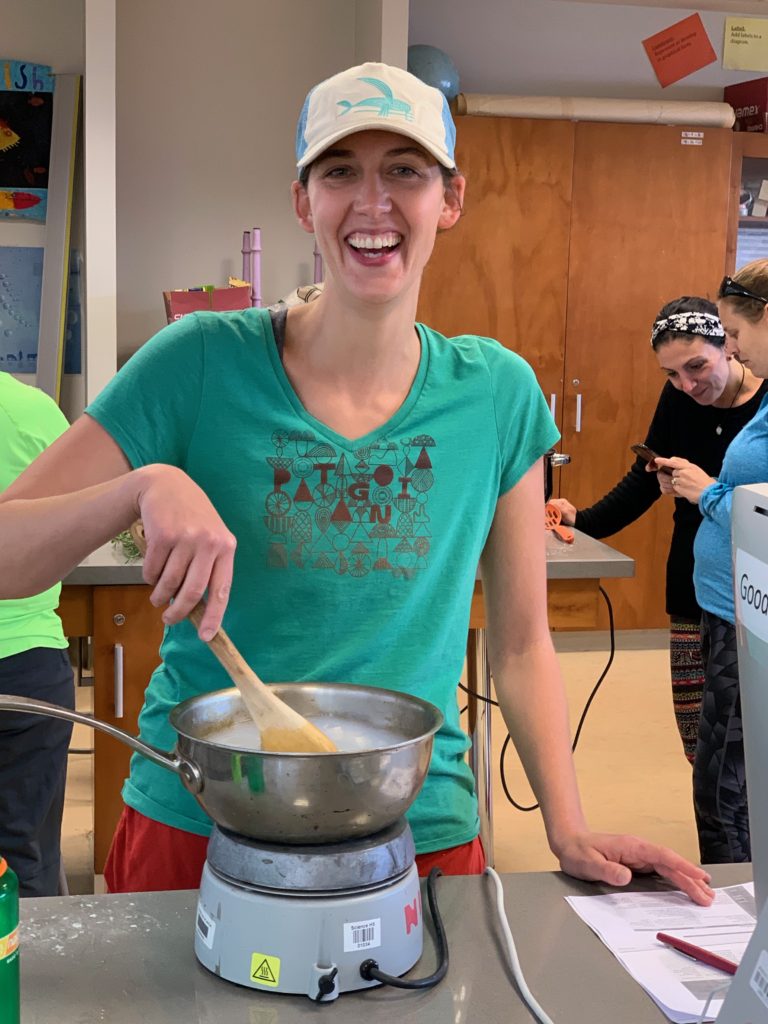
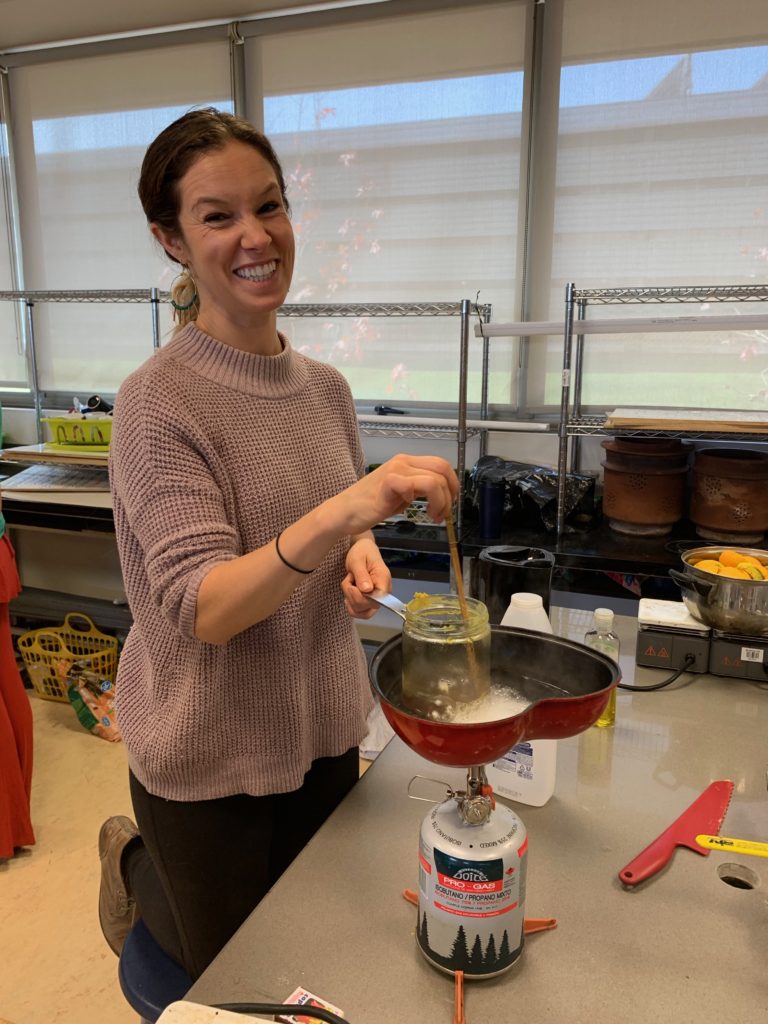
I have recently embarked on the “journey to zero waste,” which I’ve discovered is no small feat. I have many excellent mentors in my school community, who have come together in a group called “Global Ripple.” On May 18, a few of us met in a Nido science classroom for a workshop on making eco-friendly products for the home: laundry soap, cleaners, and beeswax covers for containers.

Ingredients
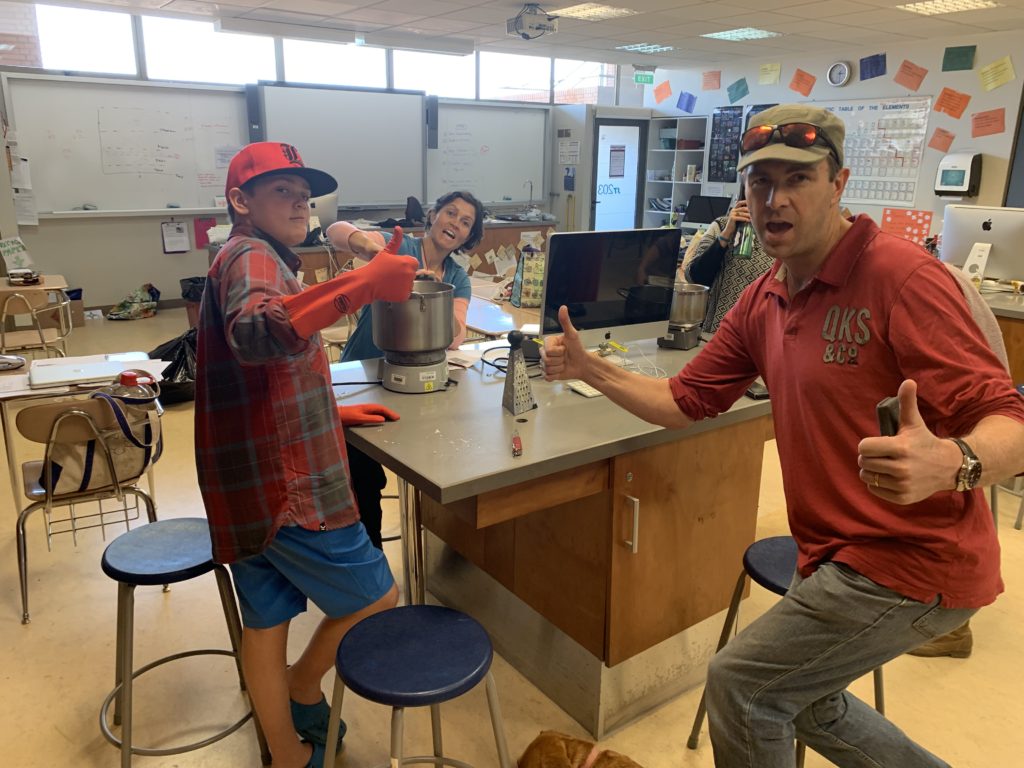
Coop sawing soap.
Ali stirring, stirring, stirring.
Our teacher
Sarah gets a bunsen burner … much faster!
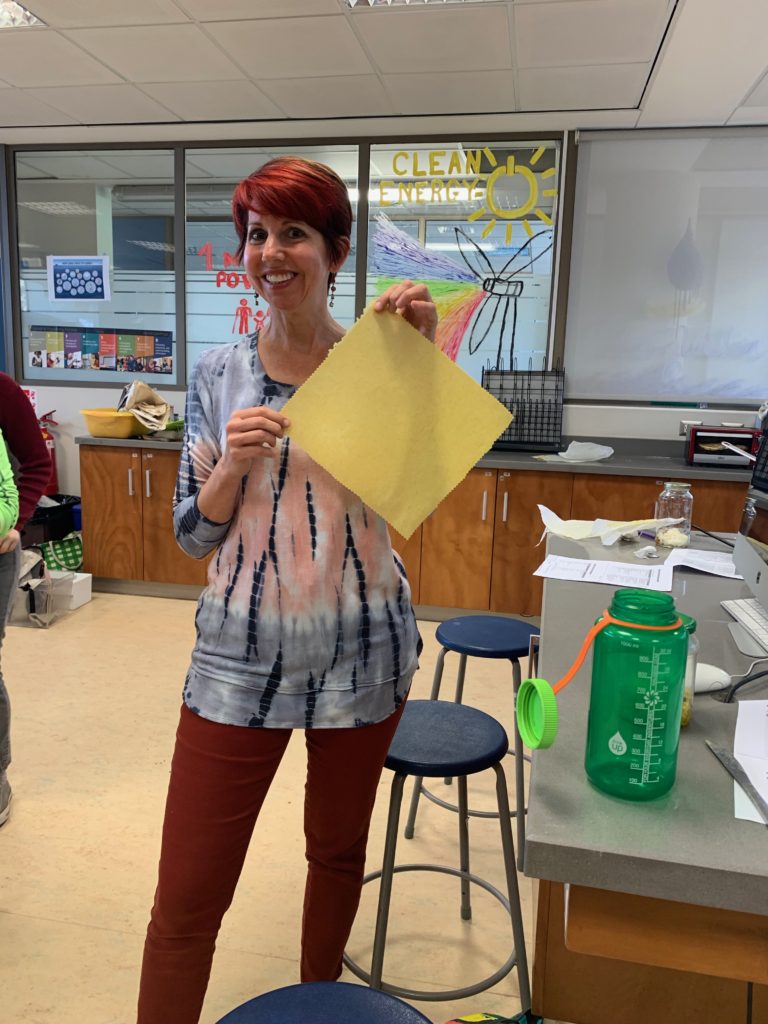
My finished product!
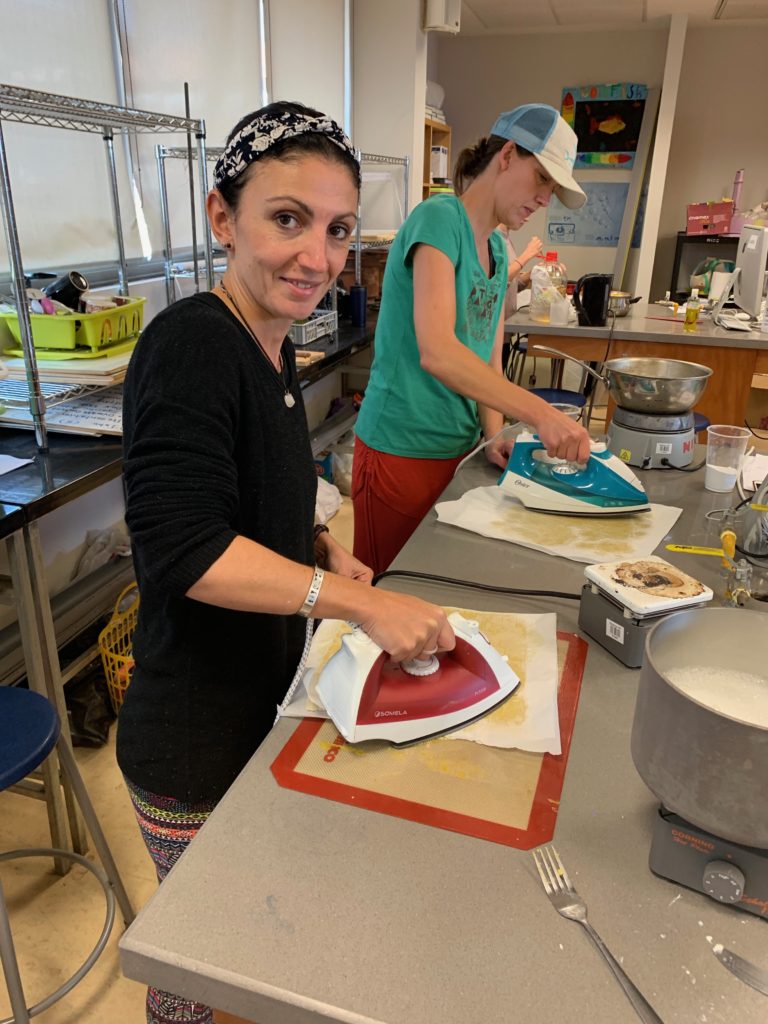
Stella irons her beeswax cloth.
The Gibbs family: eco warriors!

I actually went home and made two more beeswax covers, which we now use instead of foil. Yay me!

In addition to my quest to reduce our household waste, I remain committed to vegetarianism. Since Tony – who has been the boss of the kitchen for our whole married life – is most definitely NOT interested in giving up meat, I have been forced to learn some cooking skills. I’m not going to lie. I don’t love cooking. I suck at chopping. I can’t deviate from a recipe without panicking. I get so frustrated when I can’t find the ingredients I need in Chile, and I don’t know how to make substitutions. So, clearly, I have a long way to go.

After making eco-friendly household products in the morning, I headed to a friend’s house in the afternoon for an Indian cooking class. Renu guided a group of ladies in whipping up a legit collection of delicious dishes. I mostly sipped wine and watched, although I did grate a lemon at one point. Everything seemed a little too complicated for me to ever reproduce on my own. However, in the next couple weeks, I actually made paneer (first try bombed, second try was a winner), chickpea masala, cucumber raita, and kachumba (marinated onion salad). Pretty dang proud of myself.

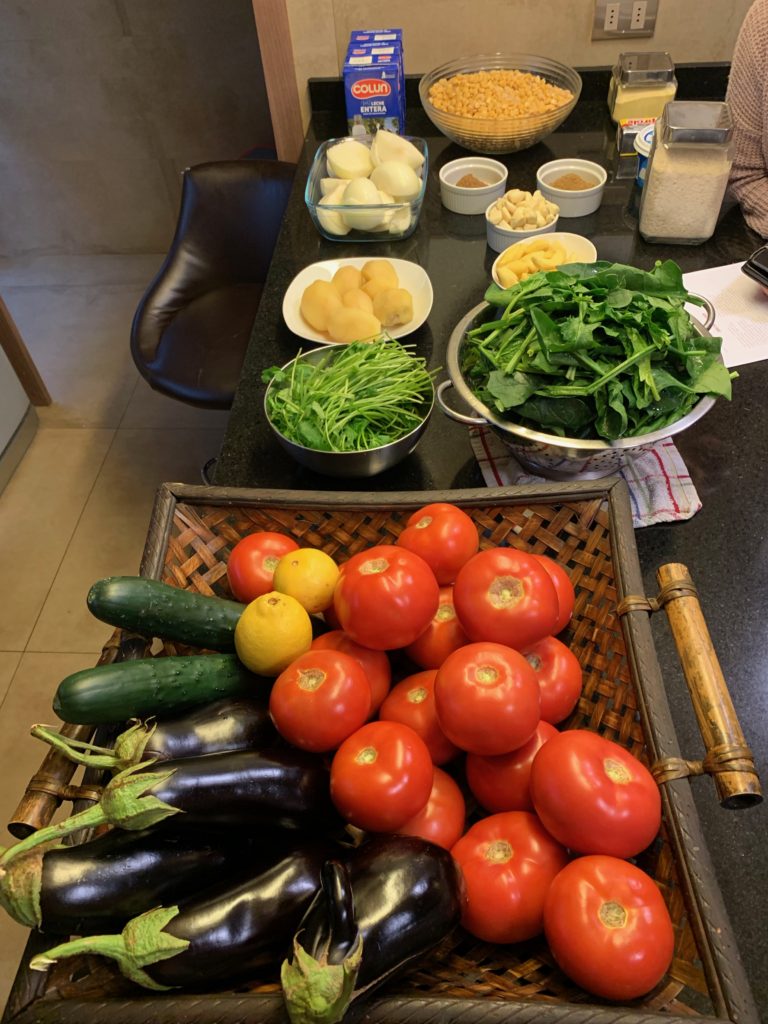
fresh ingredients
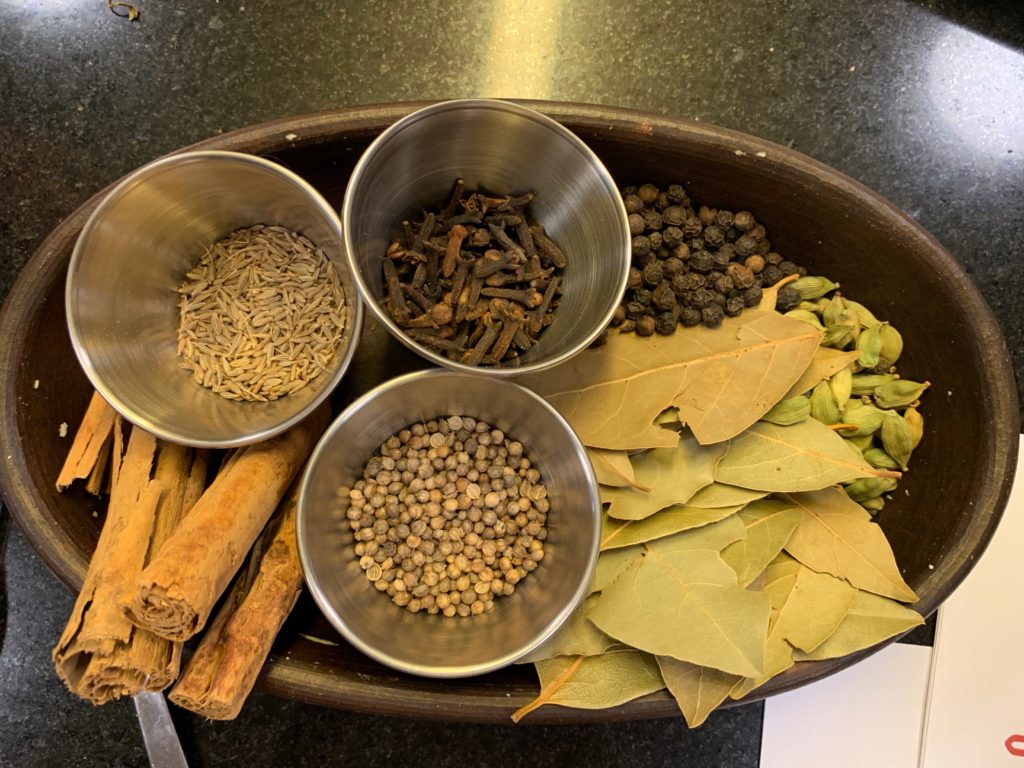
spices for garam masala
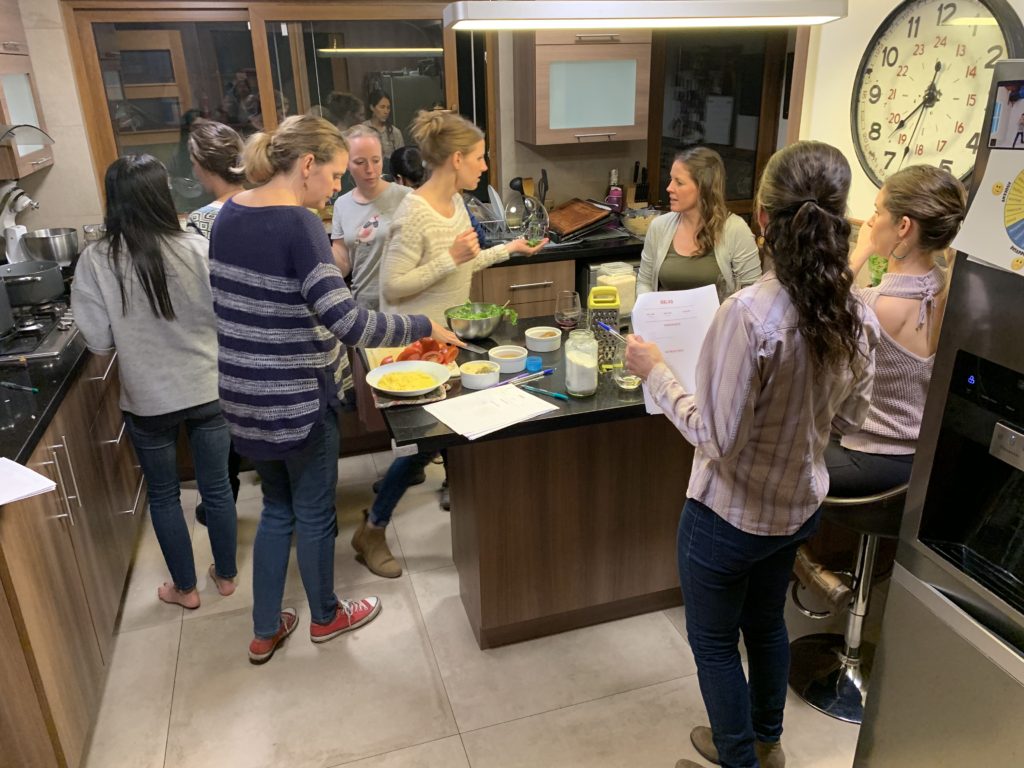
busy, busy, busy
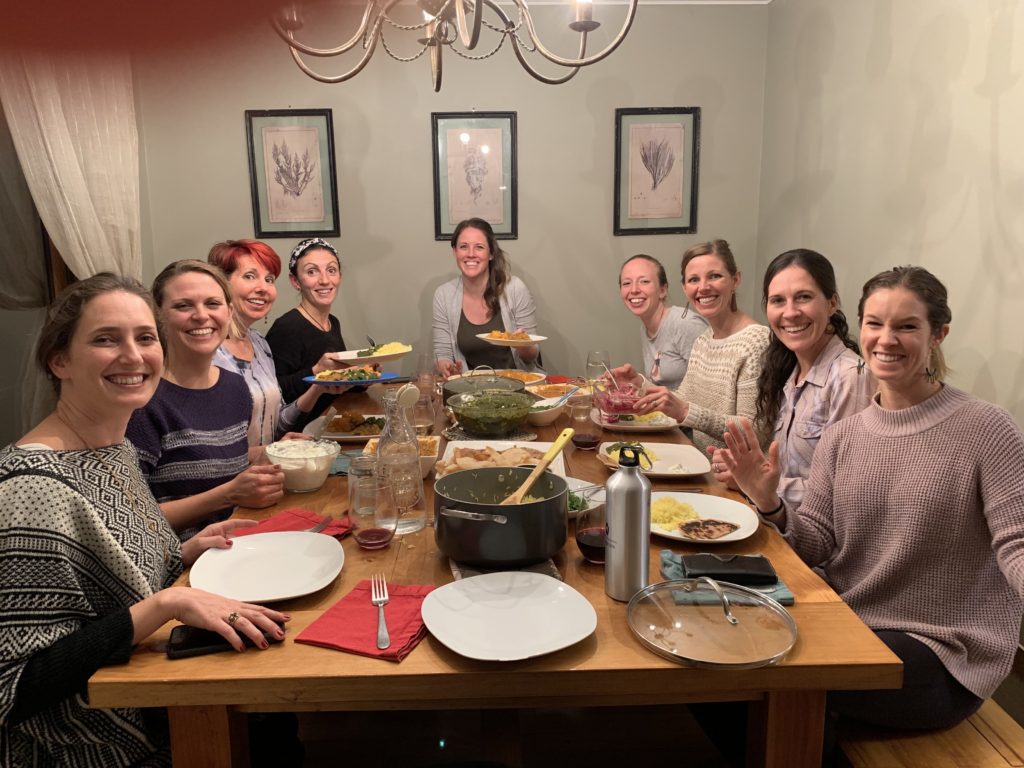
Dinner time!

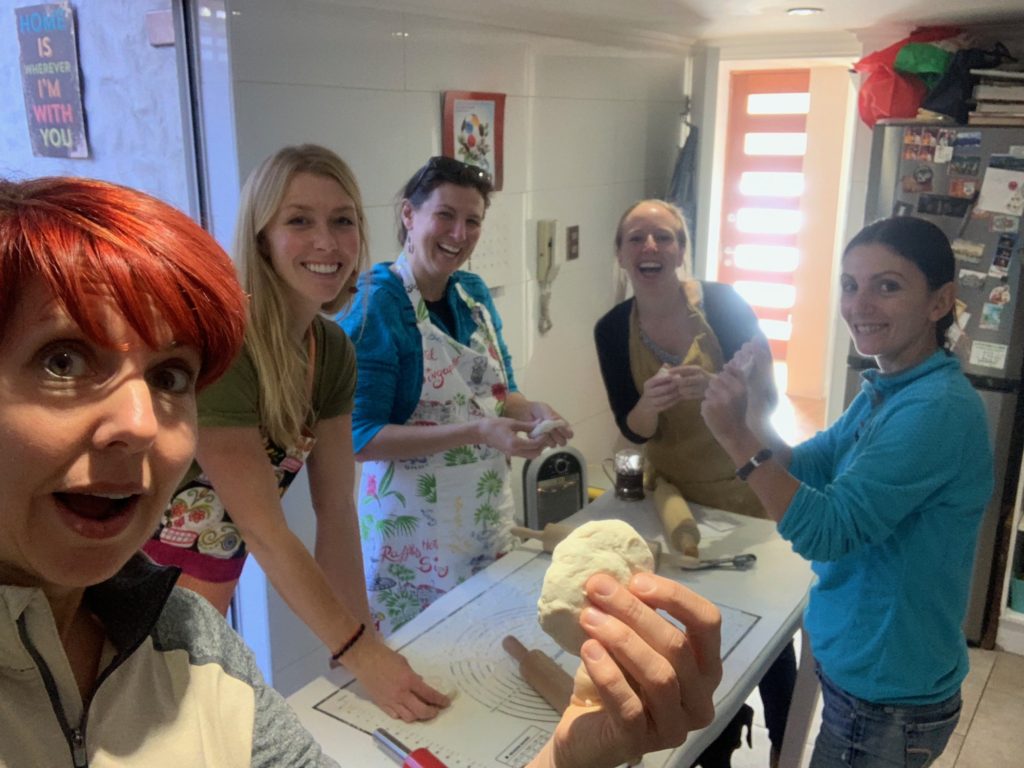
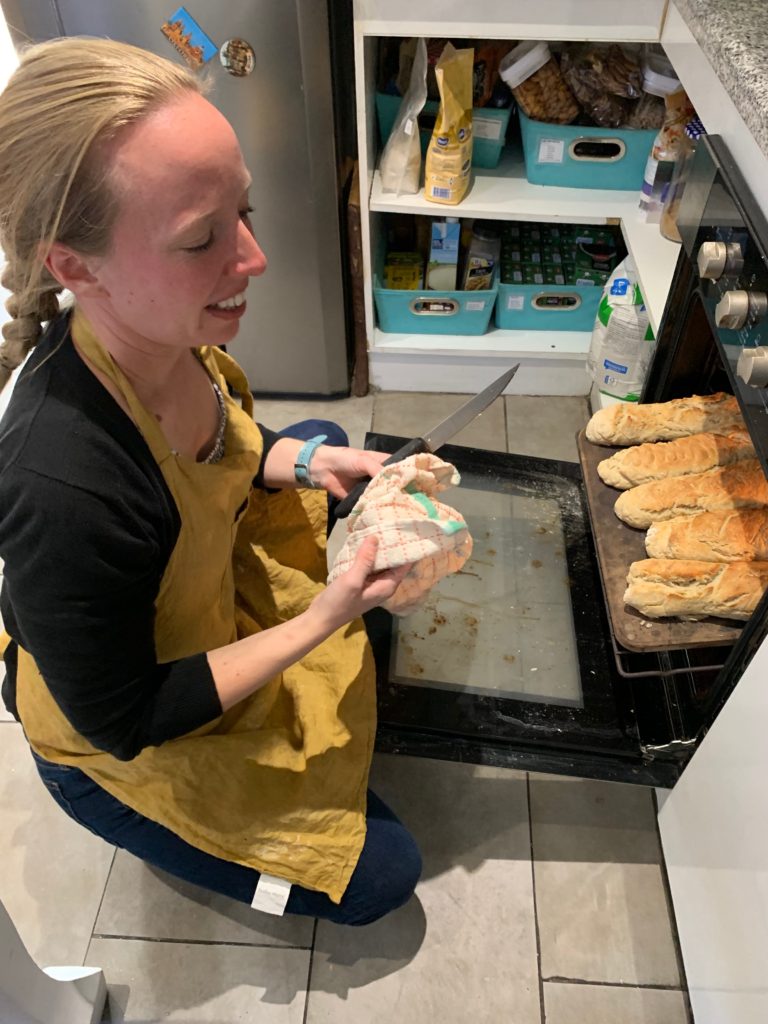
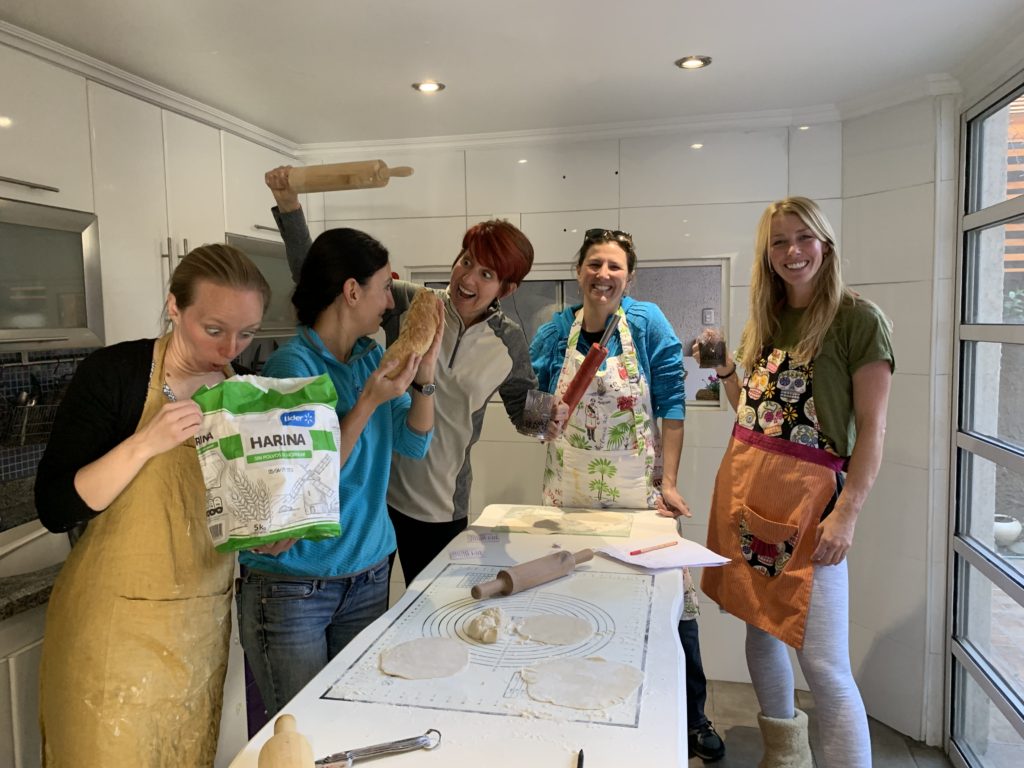
On June 2, another friend, Samantha, offered a bread-making class. We learned how to make a basic dough, and she provided some sourdough starter with the steps for keeping it alive. I tried to make sourdough bread at home, but it was less like bread and more like a tree stump. However, I succeeded with some mouth-watering dinner rolls. Is there anything better than hot, fresh bread with butter and honey?

Look what we made!
Mmmm … perfecto.
Taking it all seriously, as always.

Canal ommmmm – weekend yoga retreat

Catching up… This is a post from February.

Just one week into our second semester of the school year, I was ready for a break. Fortunately, another teacher, Tiffany, had organized a yoga retreat at the coast for the weekend. Double bonus: It was my birthday!

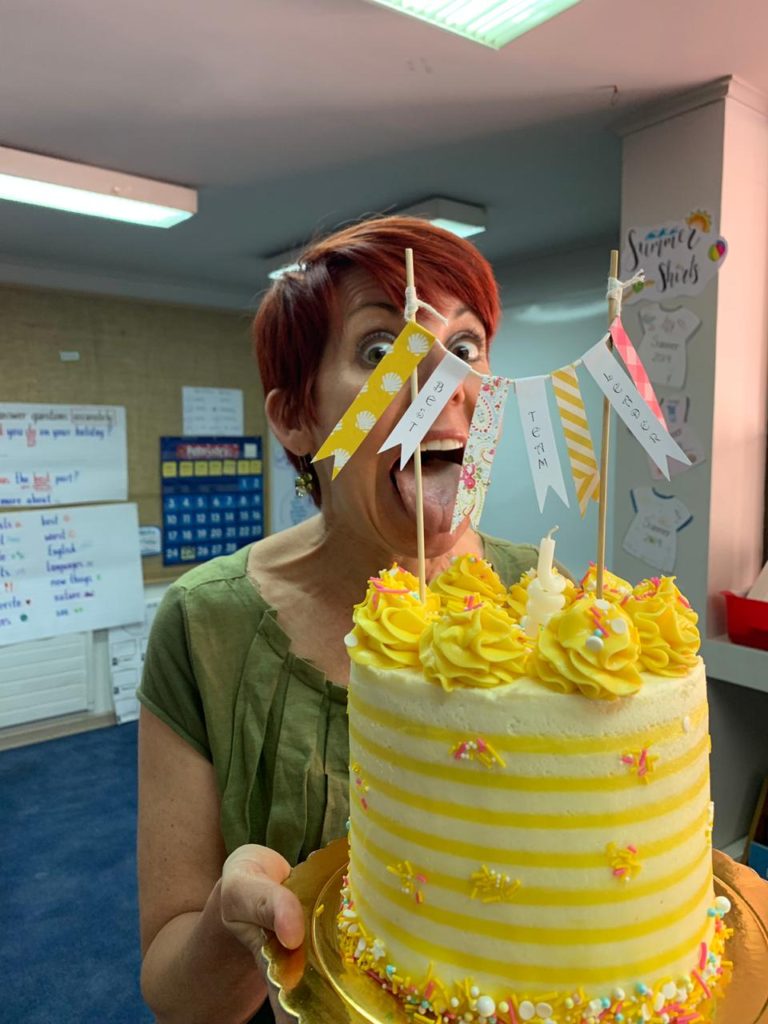
My actual birthday – Friday, Feb. 22 – was fabulous with a special lunch prepared by my EAL teaching team and the best cake of my life.

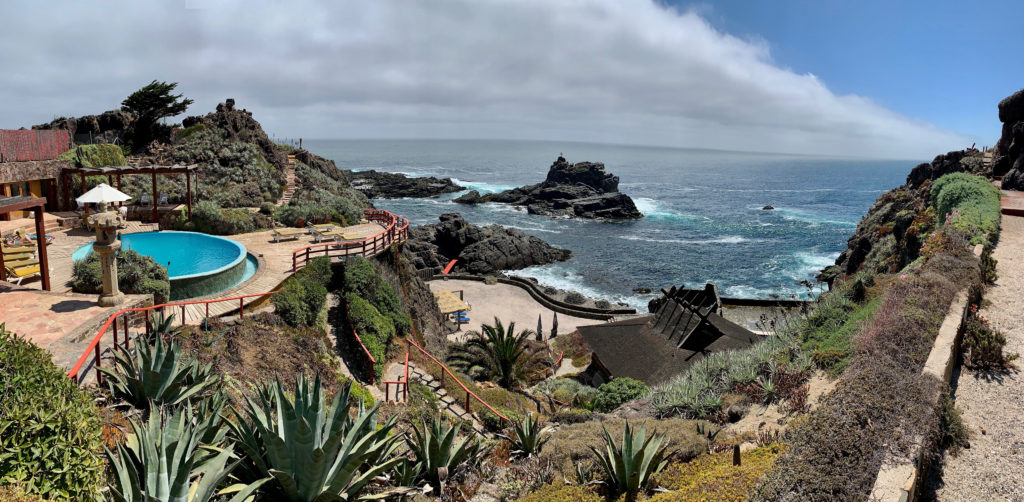
After school, I hopped in my car with two friends and took off for Canal Om, a seaside resort near the town of Los Vilos.

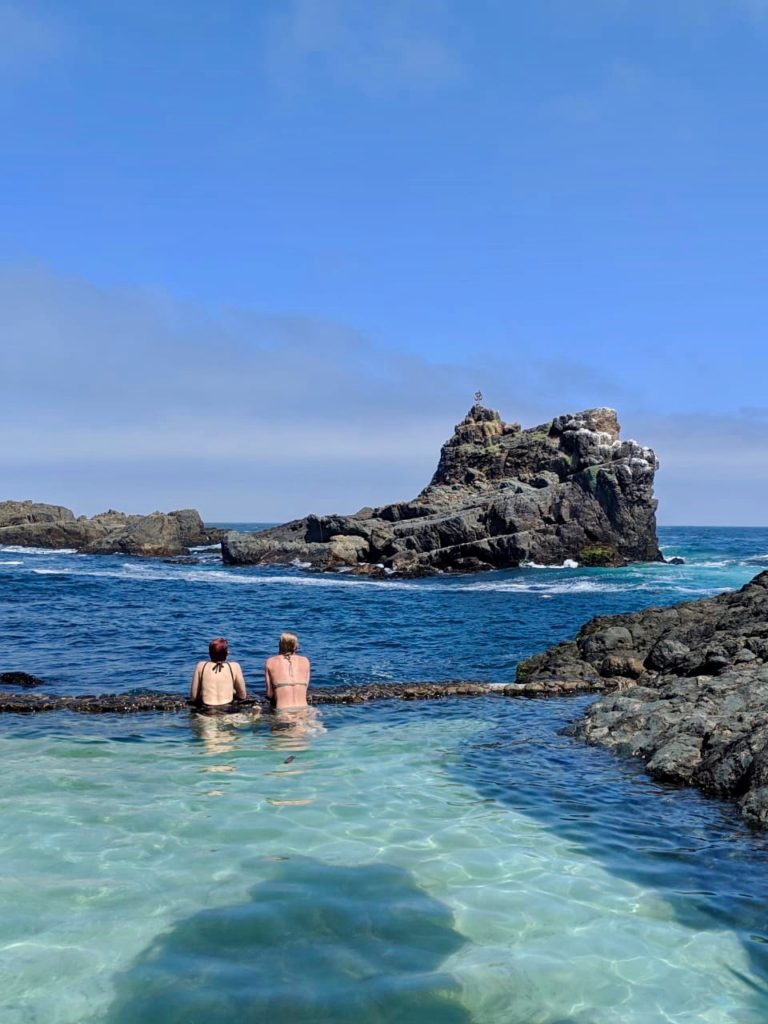
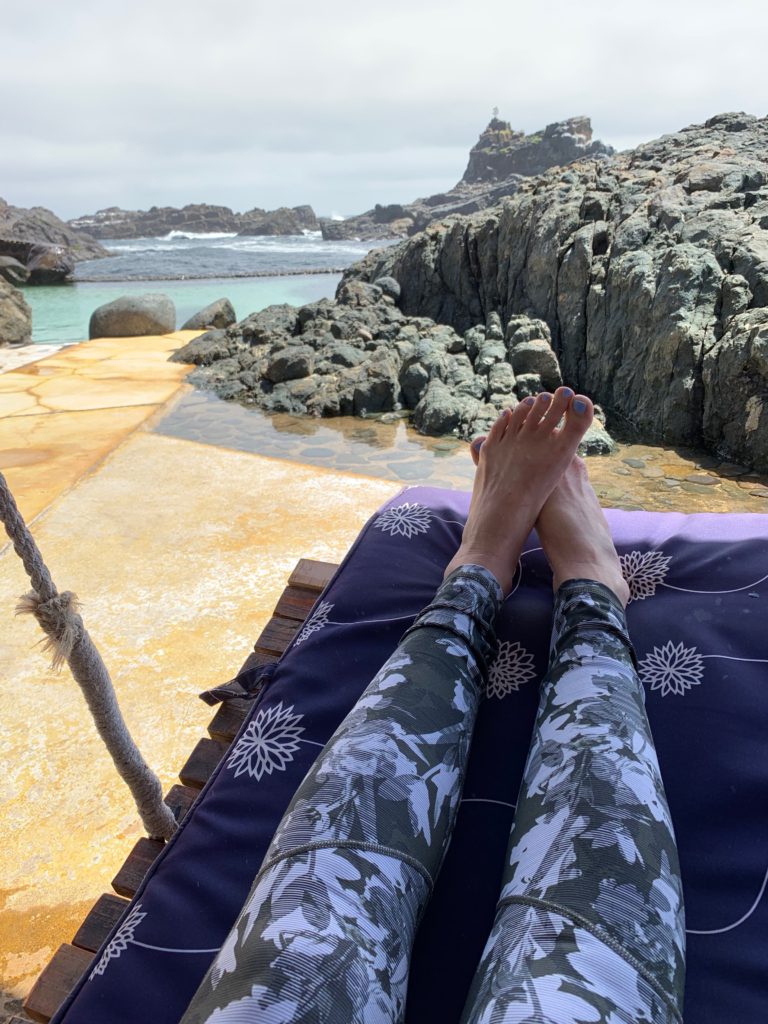
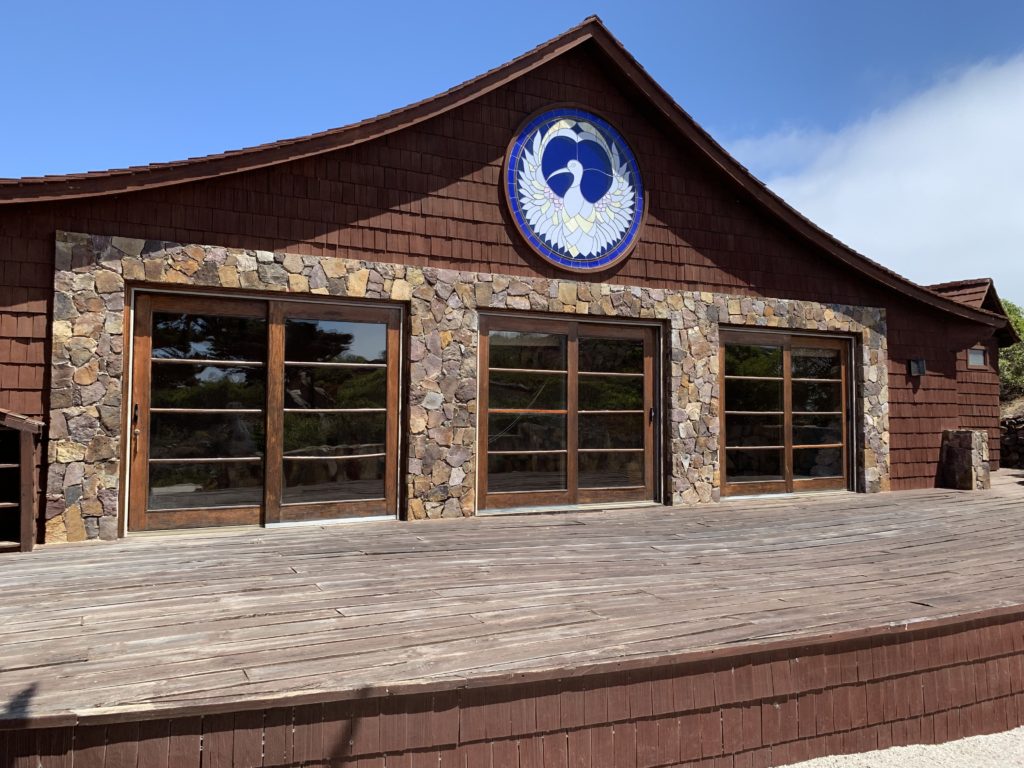
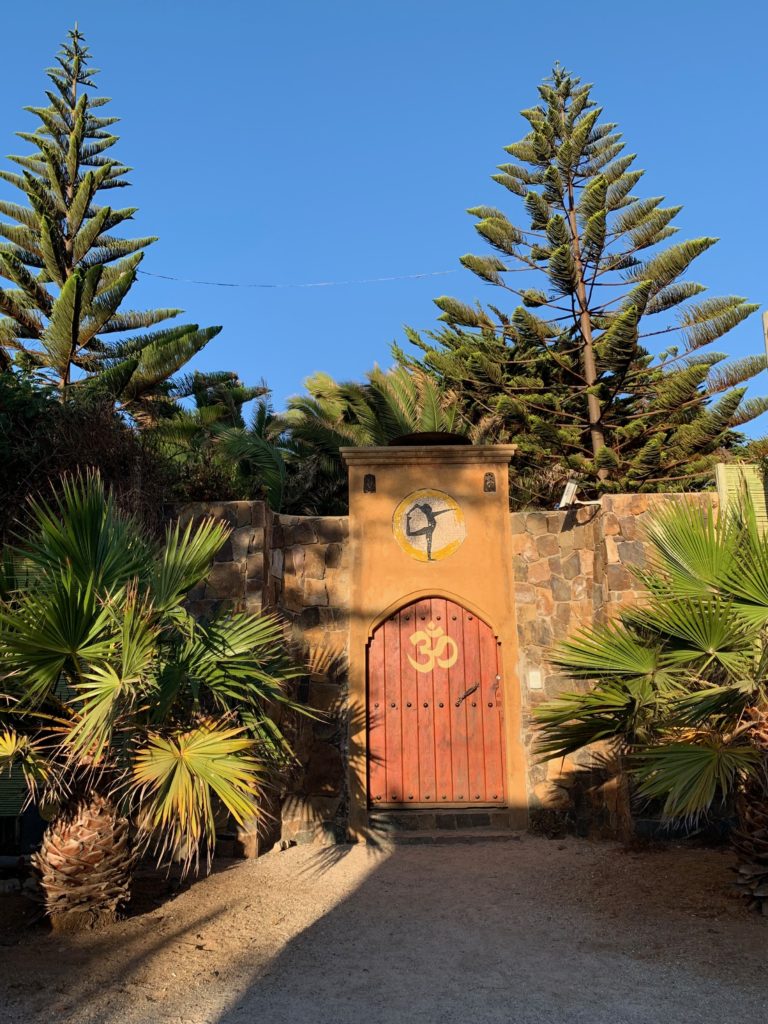
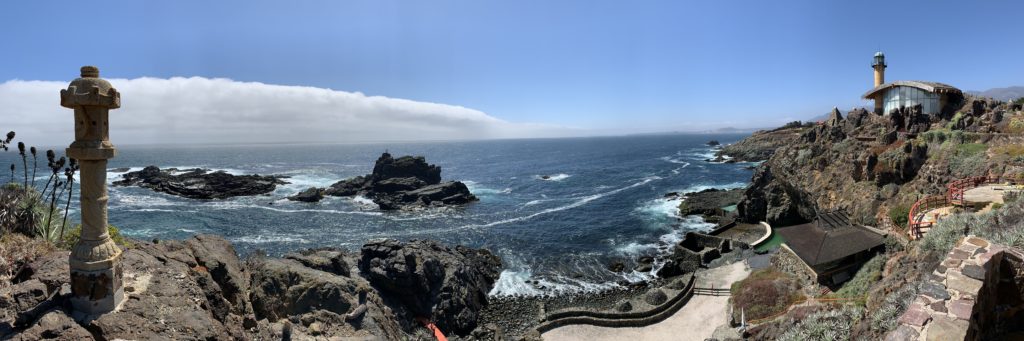
The location was stunning, even if the facilities were a bit neglected. Our meals were served by an eccentric female chef, who was possibly a bit obsessed with how each dish positively impacted our bodies. “Legumes are great for your period,” she said. What does that even mean?

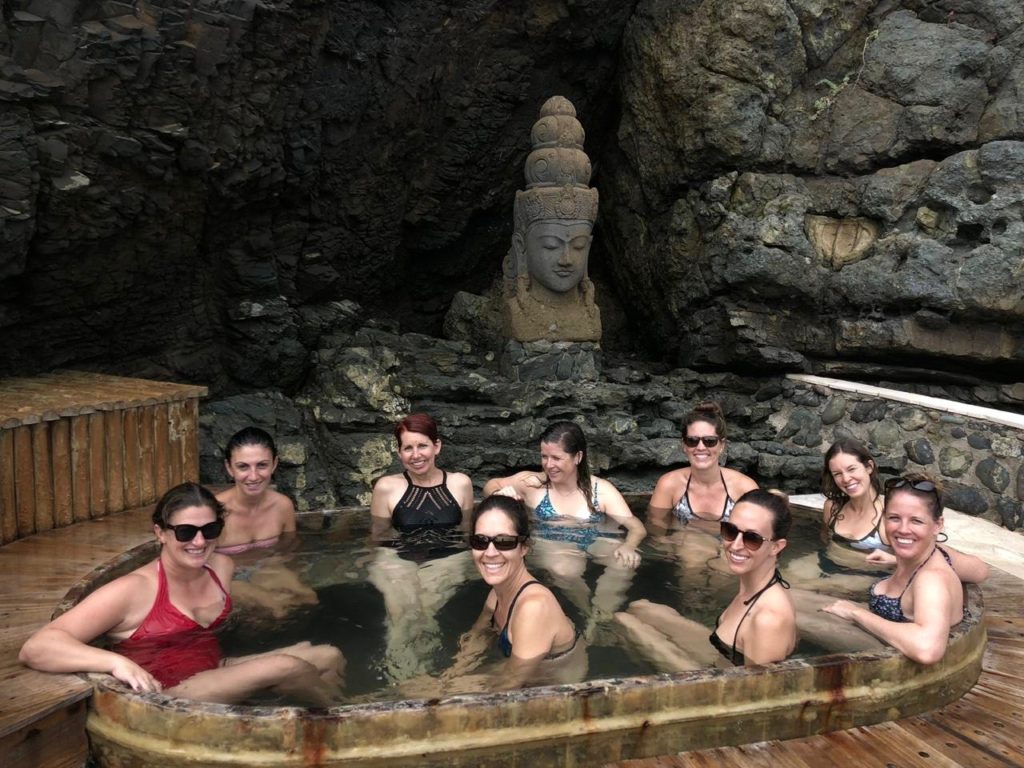
Anyway, we ate, drank, soaked (in hot and coooold water), strolled around the gorgeous hills, practiced yoga, meditated, got reiki, and laughed. Just what I needed to kick off the semester.

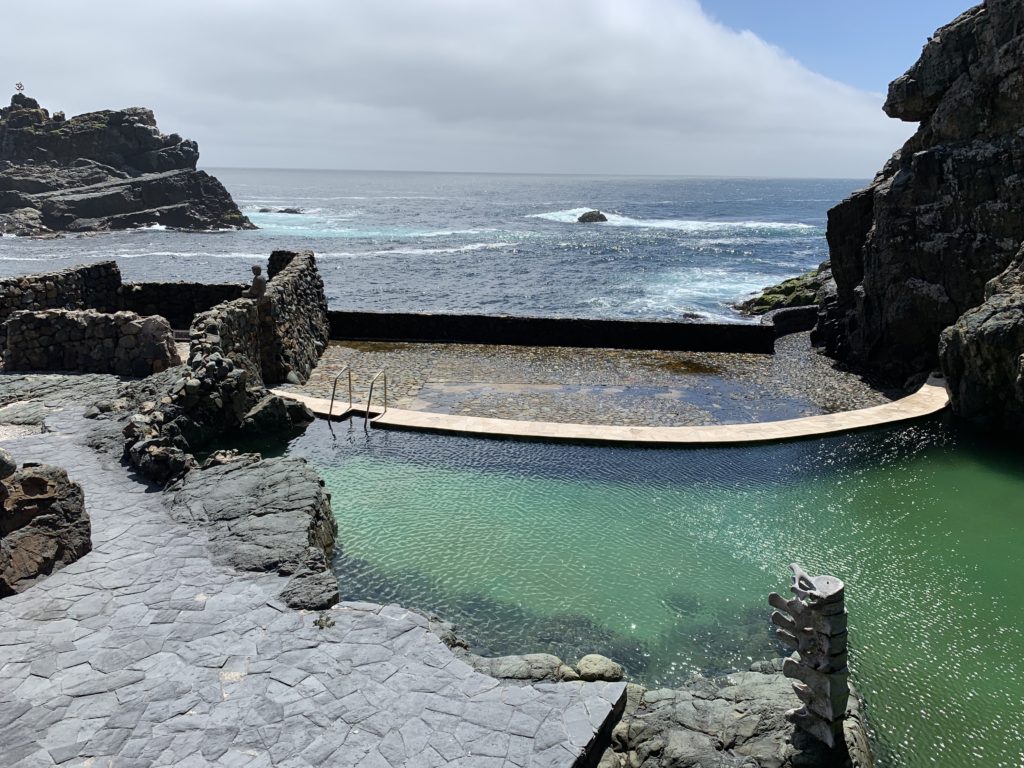
Look at this place!
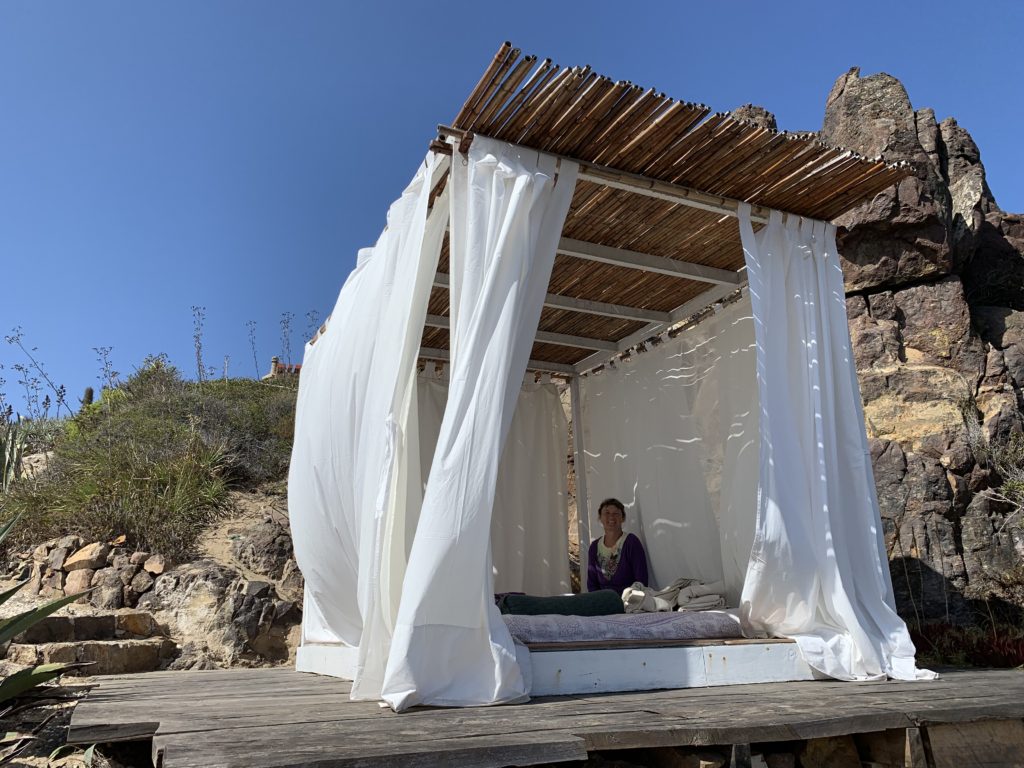
I skipped one yoga class to sit at the top of the hill and meditate with the Calm app on my phone. The beach is my happy place.